
Cooking
Substitute for Shallots
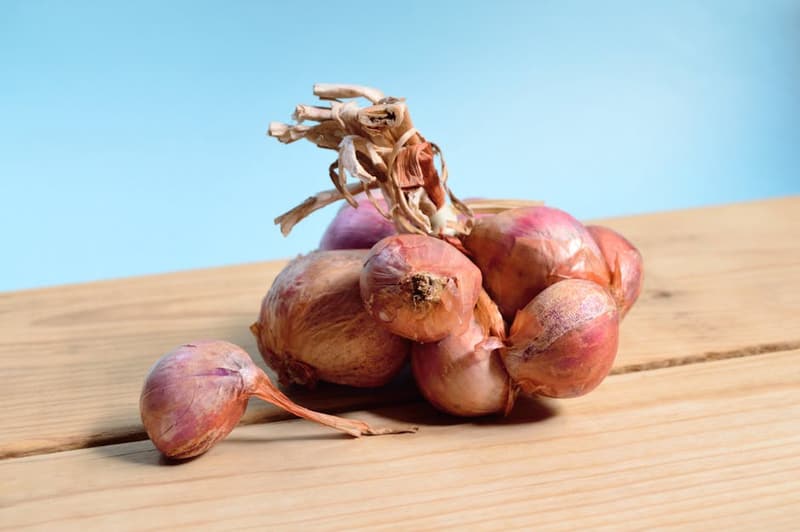
No shallots? Swap in finely minced yellow onion 1:1 for cooked dishes, rinsed red onion for dressings, and scallion whites or leeks where mildness matters.
- vegetarian
- vegan
- gluten free
Quick answer
Out of shallots? The most versatile swaps:
- 1
Yellow onion, finely minced
1:1 by volume
- 2
Red onion, soaked
1:1 by volume
- 3
Scallion whites
1:1 by volume
Shallots are used where an onion would be too coarse or too loud: minced into a beurre blanc, a mignonette for oysters, a French vinaigrette or a pan sauce. Their finer texture and milder, sweeter taste are the point, so a good substitute is chopped smaller and, when raw, tamed first. Measure by volume rather than by count, since one shallot can be the size of a grape or of a small onion.
Cooking
For pan sauces, risotto, braises and gratins, finely minced yellow onion works at the same volume. Sweat it gently in butter without letting it brown; the extra minute or two brings out sweetness and softens the pieces. Leek whites come closer in sweetness and suit cream sauces and fish. Scallion whites cook in a minute, which suits stir-fries and omelettes.
In Thai and Indonesian curry pastes and sambals, shallots are a main ingredient, sometimes in large amounts. Onion plus a little garlic replaces them reasonably well. Pound or blend the onion and cook the paste a few minutes longer, since onion holds more water and takes longer to fry out.
Raw dishes and dressings
Raw shallot gives a vinaigrette or mignonette small, crisp, gently sharp pieces. Red onion is the best stand-in at the same volume. Soak it in cold water, drain, and pat dry, or leave it in the vinegar for 10 minutes before adding oil, which softens the bite the same way.
When not to substitute
In beurre blanc, sauce béarnaise and bordelaise, the shallot reduction is part of the classic sauce; yellow onion makes it noticeably coarser. In crispy fried shallots, a common topping in Southeast Asian cooking, onion fries unevenly and holds more water, so the result is chewier.
Common mistakes
- Swapping one onion for one shallot. An onion is often four times the size; the dish ends up oniony and wet.
- Leaving red or yellow onion raw and unsoaked in a dressing. It overpowers everything else in the bowl.
- Browning the onion substitute. Shallots in a sauce are usually sweated pale; browned onion adds a roasted, bitter note.
- Mincing too coarsely. Larger onion pieces stay crunchy in a quick pan sauce.
All 5 substitutes at a glance
| Substitute | Ratio | Best for | Notes |
|---|---|---|---|
| Yellow onion, finely minced Cooking | 1:1 by volume | pan sauces, risotto, braises, stuffings | Coarser and a little harsher, with less sweetness. Mince it smaller than usual and sweat it a minute or two longer so it softens to a shallot's texture. |
| Red onion, soaked Raw & finishing | 1:1 by volume | vinaigrettes, mignonette, grain salads, ceviche | Closest in color and in its mild sweetness among common onions. Soak the mince in cold water for 10 minutes and drain to take off the extra sharpness. |
| Scallion whites CookingRaw & finishing | 1:1 by volume | stir-fries, egg dishes, dressings, quick sautés | Mild and tender, cooking in a minute. Less sweet than shallot; in a cooked sauce add a pinch of sugar if it tastes thin. |
| Leek whites Cooking | 1:1 by volume | cream sauces, soups, gratins, fish dishes | Sweet and gentle like shallot, but fibrous raw. Sweat in butter until fully soft; rinse after chopping to remove grit. |
| Yellow onion plus garlic Cooking | ½ cup minced onion plus 1 small garlic clove per ½ cup shallot | stews, curries, Southeast Asian pastes, ragù | The garlic supplies the faint garlicky edge shallots have and plain onion lacks. Only worth it where shallots are a main aromatic, not a teaspoon in a dressing. |
Substitute calculator
How much shallots does your recipe call for?
- Yellow onion, finely minced1 tbsp finely minced yellow onion
- Red onion, soaked1 tbsp minced red onion
- Scallion whites1 tbsp minced scallion whites
- Leek whites1 tbsp finely chopped leek whites
- Yellow onion plus garlic1 tbsp minced yellow onion + ¼ small garlic clove, minced
Amounts are rounded to practical kitchen measures. Swaps without a fixed ratio, or that can't be measured in the unit you picked, show their ratio instead.
Topics: shallotsonion familyfrenchcookinggourmet All cooking guides
Frequently asked questions
How many shallots equal one onion?
Shallot sizes vary too much for a reliable count, so measure by volume: replace each cup of chopped onion with a cup of chopped shallot. As a rough guide, three or four average shallots fill that cup.
Are shallots just small onions?
They are the same species as the common onion but grow in clusters of cloves, like garlic. Their flesh is finer-grained with less water, which is why they melt into sauces and taste sweeter than most onions.
What can I use instead of shallots in a vinaigrette?
Minced red onion soaked in cold water is the best choice, at the same volume. Scallion whites work too. Avoid onion powder: it dissolves into a gritty, flat taste and can't give the small sharp pieces that make a shallot dressing.
Can I use dried shallots?
Freeze-dried and fried shallots exist. Freeze-dried ones rehydrate in a sauce with a few minutes of simmering. Crispy fried shallots are a topping for noodles, rice and salads, not a base for cooking.
More cooking substitutes
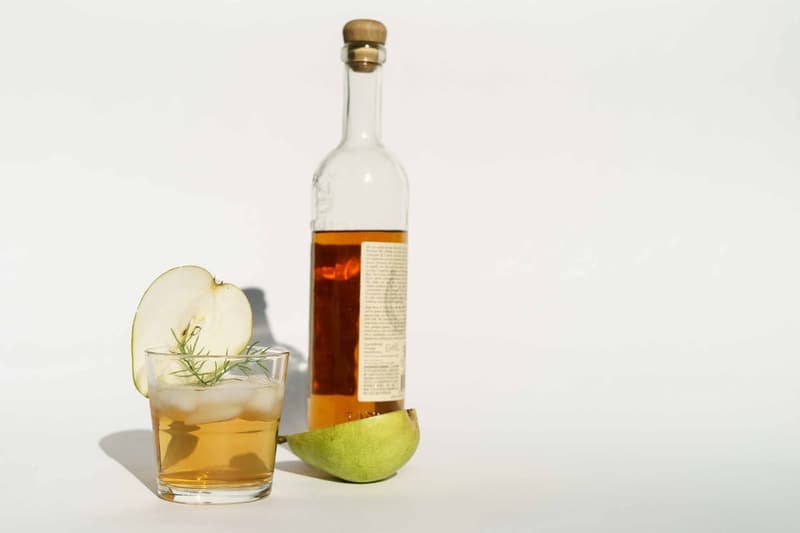
Substitute for Apple Brandy
No apple brandy? Calvados and applejack swap for each other 1:1, grape brandy or bourbon 1:1 for flambéing, and apple juice concentrate if alcohol is out.
Read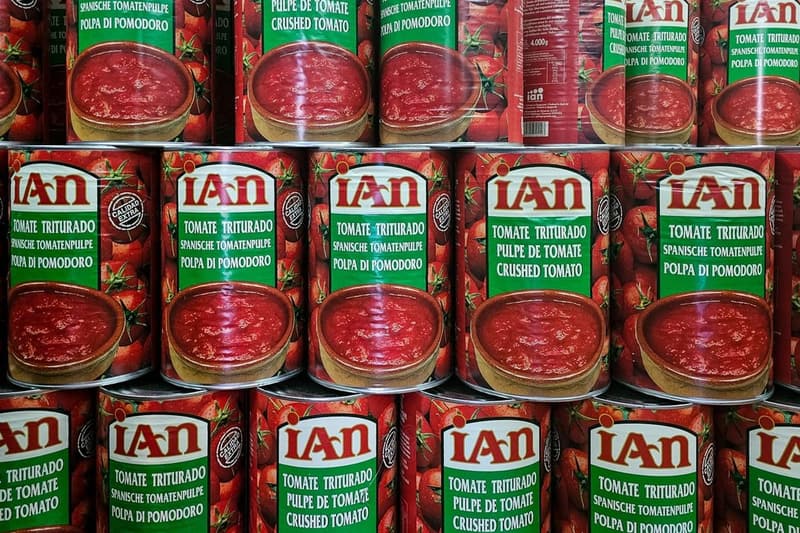
Substitute for Canned Tomatoes
Replace a 14.5-oz can of tomatoes with about 1¼ lb fresh tomatoes, peeled and chopped, or 1 cup tomato sauce plus ⅔ cup water. Double it all for a 28-oz can.
Read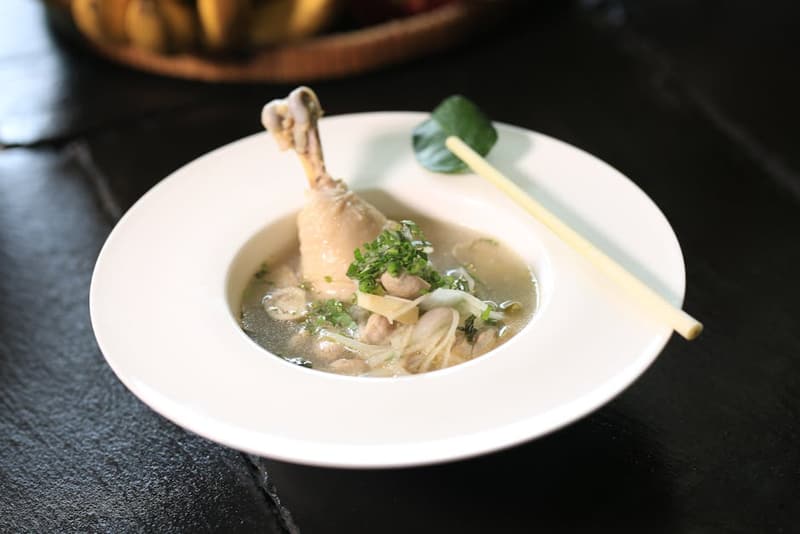
Substitute for Chicken Broth
Dissolve 1 bouillon cube or 1 tsp broth base in 1 cup boiling water per cup of chicken broth, or use vegetable broth 1:1. Watch the salt when reducing.
Read
Substitute for Coconut Oil
No coconut oil? Use shortening 1:1 where it must stay solid, butter or vegan butter 1:1 in most baking, and a neutral oil 1:1 when the recipe melts it.
Read