
Cooking
Substitute for Coconut Oil
No coconut oil? Use shortening 1:1 where it must stay solid, butter or vegan butter 1:1 in most baking, and a neutral oil 1:1 when the recipe melts it.
- vegetarian
- vegan
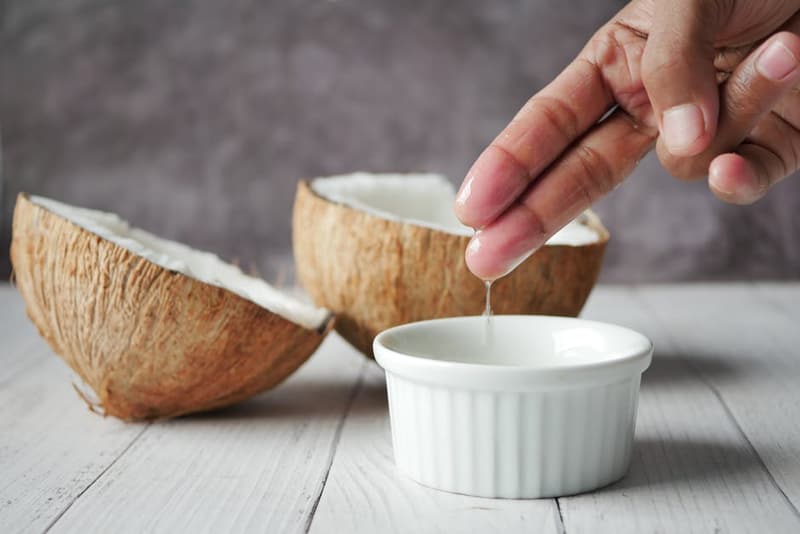
Quick answer
Out of coconut oil? The most versatile swaps:
- 1
Butter
1:1
- 2
Vegetable shortening
1:1
- 3
Neutral oil (canola, sunflower)
1:1 for melted coconut oil
Coconut oil is unusual among plant fats: it is firm in a cool kitchen and turns liquid in a warm one or on the tongue. Recipes use it in two ways. Some treat it like butter or shortening, creaming it with sugar or cutting it into flour. Others melt it and use it like any liquid oil. Check which one your recipe does, because the right swap is different.
Baking with solid coconut oil
In pie crust, biscuits, scones and creamed cookies, the fat must be solid. Vegetable shortening is the closest match, since it is also almost entirely fat. Butter and vegan butter work at the same amount, with a small difference: their water turns to steam in the oven, which gives flakier crusts and cookies that spread slightly more. Chill the dough if spreading is a problem.
Baking with melted coconut oil
Muffins, quick breads, brownies and granola treat coconut oil as a liquid fat. Any neutral oil or melted butter goes in at the same volume. Oil keeps the crumb softer when cold. Coconut oil would have firmed in the fridge, so oil-based versions feel moister.
Cooking
For sautéing, stir-fries and roasting, refined coconut oil is a neutral, heat-tolerant fat; neutral oil or ghee does the same job. In Thai or South Indian dishes that use unrefined coconut oil for its flavor, cook in a neutral oil and stir in a splash of coconut milk at the end.
When not to substitute
No-bake bars, raw vegan cheesecakes and chocolate shell toppings rely on coconut oil going from liquid to firm at fridge temperature and melting in the mouth. Liquid oils never set, and butter sets harder and tastes waxy when cold. Cocoa butter is the closest alternative in those recipes.
Common mistakes
- Swapping liquid oil into a recipe that creams the fat with sugar. Oil can’t hold air, so cookies come out flat and greasy.
- Measuring coconut oil in the wrong state. A cup of firm, packed oil and a cup of melted oil differ; follow the recipe’s form or weigh it.
- Adding cold eggs to melted coconut oil. It seizes into hard flecks; use room-temperature ingredients.
- Using unrefined coconut oil as a neutral fat. Its coconut flavor shows in savory dishes and plain cakes.
All 5 substitutes at a glance
| Substitute | Ratio | Best for | Notes |
|---|---|---|---|
| Butter BakingCooking | 1:1 | cookies, scones, banana bread, sautéing | Butter is at least 80% fat; coconut oil is essentially all fat. The water in butter makes cookies spread a little more and cakes slightly more tender. Use softened butter for solid coconut oil, melted for melted. |
| Vegetable shortening BakingCooking | 1:1 | vegan pie crust, biscuits, frosting, frying | Also essentially all fat and solid at room temperature, so the closest structural match. Neutral in flavor and softer when chilled, so crusts are easier to roll. |
| Neutral oil (canola, sunflower) BakingCooking | 1:1 for melted coconut oil | muffins, quick breads, granola, stir-fries | Works wherever the coconut oil is melted first. Baked goods stay softer when cool, since liquid oil doesn't set. Not for recipes that cream or chill the fat. |
| Vegan butter (block) BakingCooking | 1:1 | vegan cookies, cakes, pastry, toast | Behaves like dairy butter, including the water content, so the same spreading applies. Tubs are softer and wetter than blocks; use blocks for baking. |
| Ghee CookingBaking | 1:1 | curries, high-heat sautéing, roasting, shortbread | Clarified butter: almost all fat with the milk solids removed, so it handles heat well. Nutty, buttery flavor. Not vegan. |
Substitute calculator
How much coconut oil does your recipe call for?
- Butter1 cup butter
- Vegetable shortening1 cup vegetable shortening
- Neutral oil (canola, sunflower)1 cup neutral oil
- Vegan butter (block)1 cup vegan butter
- Ghee1 cup ghee
Amounts are rounded to practical kitchen measures. Swaps without a fixed ratio, or that can't be measured in the unit you picked, show their ratio instead.
Topics: coconut oilbakingveganhealthycooking All cooking guides
Frequently asked questions
Can I use butter instead of coconut oil in cookies?
Yes, at the same amount. Butter contains some water, so the cookies may spread a little more and brown more. Chill the dough for 30 minutes before baking if the recipe relied on firm coconut oil to hold its shape.
What is the best vegan substitute for coconut oil?
For solid uses such as pie crust and frosting, vegetable shortening. For melted uses such as muffins and granola, any neutral oil. Block vegan butter covers both, but tastes salty unless you buy unsalted.
Can I use olive oil instead of coconut oil?
Yes, where the coconut oil is melted, as in savory cooking and some cakes. Its flavor carries through, which suits roasting and sautéing. Avoid it in recipes that need the fat to set when cold.
Does refined or unrefined coconut oil matter for substituting?
Yes. Unrefined (virgin) coconut oil tastes clearly of coconut, so a neutral swap removes a flavor the recipe may count on. Add a little toasted coconut or coconut milk to bring it back. Refined coconut oil is neutral, so any neutral fat matches it.
Sources
- 21 U.S.C. 321a: "Butter" defined, Legal Information Institute, Cornell Law School
- Ingredient Weight Chart, King Arthur Baking
More cooking substitutes
Substitute for Olive Oil
No olive oil? Any neutral oil swaps 1:1 for cooking and baking, avocado oil 1:1 for dressings and searing, and melted butter 1:1 in cakes and roasting.
Read
Substitute for Apple Brandy
No apple brandy? Calvados and applejack swap for each other 1:1, grape brandy or bourbon 1:1 for flambéing, and apple juice concentrate if alcohol is out.
Read
Substitute for Lemon Juice
No lemons? Bottled lemon or lime juice swap 1:1, white wine vinegar at half the amount suits dressings, and citric acid replaces it when only sourness matters.
ReadSubstitute for Mayonnaise
Out of mayo? Greek yogurt or sour cream swap 1:1 in salads and dressings, vegan mayo 1:1 everywhere, and mashed avocado works spread on sandwiches.
Read