
Cooking
Substitute for Olive Oil
No olive oil? Any neutral oil swaps 1:1 for cooking and baking, avocado oil 1:1 for dressings and searing, and melted butter 1:1 in cakes and roasting.
- vegetarian
- vegan
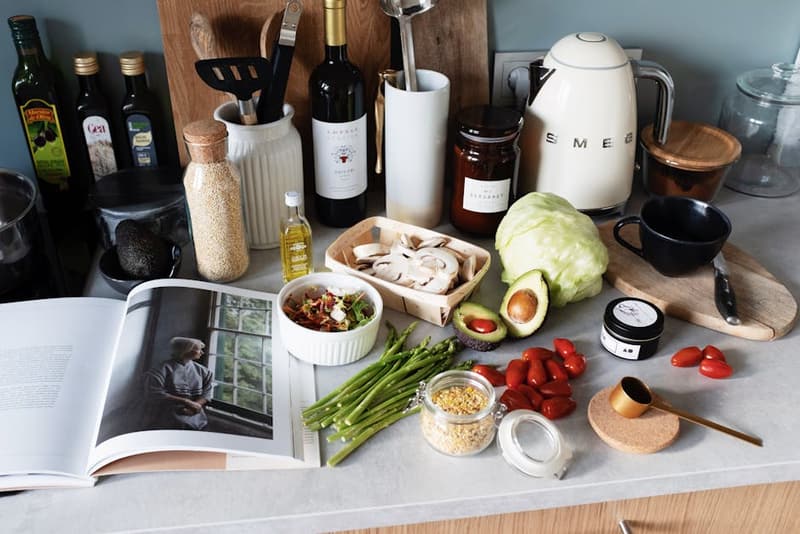
Quick answer
Out of olive oil? The most versatile swaps:
- 1
Neutral oil (canola, sunflower, vegetable)
1:1
- 2
Avocado oil
1:1
- 3
Light or refined olive oil
1:1 for extra-virgin
Olive oil plays two different roles. Cooked, it is a fat for searing, roasting and baking, and almost any other oil does the job. Raw, as extra-virgin oil on bread, salads, soup or burrata, it is a flavoring with a fruity, bitter and peppery taste, and nothing else matches it. Decide which role the recipe needs before picking a swap.
Cooking
For sautéing, roasting vegetables and pan-frying, use a neutral oil or avocado oil in the same amount. Both handle heat at least as well as olive oil. When a recipe specifies extra-virgin for a long braise or a sofrito, use a neutral oil and finish the dish with a spoonful of any flavorful fat you have, since the aroma of olive oil fades with long cooking anyway.
Butter suits roast potatoes, fish and garlic bread, where its flavor is welcome. Keep the heat moderate, or mix it half and half with oil so the milk solids don’t scorch.
Baking
Olive oil cakes, focaccia and some quick breads use olive oil as their liquid fat. Neutral oil keeps the same moist texture. Melted butter works but makes the cake richer and firmer once chilled. In focaccia, the oil in the pan fries the bottom crust, so a neutral oil still gives a crisp base; only the taste changes.
Raw dishes and finishing
Vinaigrettes, pesto, hummus and finishing drizzles are where swaps fall short. Avocado oil gives the right smooth texture. Adding a little walnut oil to a neutral oil brings back flavor in a dressing. A pinch of salt and a squeeze of lemon also help a neutral-oil dressing taste less flat.
When not to substitute
In dishes built on the taste of extra-virgin olive oil, such as bread for dipping, pa amb tomàquet, Spanish gazpacho, aglio e olio and Greek salads, a neutral oil leaves them tasting empty. Buy a small bottle of extra-virgin oil instead.
Common mistakes
- Using walnut or sesame oil for cooking in place of olive oil. Toasted and nut oils burn and turn bitter over heat.
- Assuming light olive oil has fewer calories. It has the same fat content; only the flavor is lighter.
- Searing with butter alone. Its milk solids blacken before the pan is hot enough to brown meat.
- Chilling a dressing made with a solid fat. Coconut oil or butter dressings set hard in the fridge.
All 5 substitutes at a glance
| Substitute | Ratio | Best for | Notes |
|---|---|---|---|
| Neutral oil (canola, sunflower, vegetable) CookingBakingRaw & finishing | 1:1 | sautéing, roasting, focaccia, olive oil cake | Same fat content, so texture is unchanged in breads, cakes and pans. What's lost is olive oil's fruity, peppery flavor, which matters most in raw uses. |
| Avocado oil Raw & finishingCooking | 1:1 | vinaigrettes, searing, grilled vegetables, marinades | Also pressed from fruit flesh, with a mild, buttery taste. Refined avocado oil is neutral and handles high heat; unrefined has a light green, grassy flavor. |
| Light or refined olive oil CookingBaking | 1:1 for extra-virgin | frying, mayonnaise, mild baking | Light refers to flavor, not fat or calories. Refining strips most of the aroma, so it cooks like a neutral oil and tastes flat as a finishing oil. |
| Melted butter BakingCooking | 1:1 | cakes, roast potatoes, sautéed fish, garlic bread | Butter is at least 80% milk fat, the rest mostly water and milk solids, so cakes are slightly drier and firm up when cold. The milk solids burn over high heat. |
| Walnut or toasted nut oil + neutral oil Raw & finishing | 1 part nut oil + 2 parts neutral oil | salad dressings, drizzling on soup, grain salads | Gives a flavorful raw oil where olive oil was meant to be tasted. Nut oil alone is strong and bitter in quantity. Not for anyone with a tree nut allergy; don't heat it. |
Substitute calculator
How much olive oil does your recipe call for?
- Neutral oil (canola, sunflower, vegetable)1 cup neutral oil
- Avocado oil1 cup avocado oil
- Light or refined olive oil1 cup light olive oil
- Melted butter1 cup melted butter
- Walnut or toasted nut oil + neutral oil⅓ cup walnut oil + ⅔ cup neutral oil
Amounts are rounded to practical kitchen measures. Swaps without a fixed ratio, or that can't be measured in the unit you picked, show their ratio instead.
Topics: olive oilcookingfatsbakinghealthy All cooking guides
Frequently asked questions
Can I use vegetable oil instead of olive oil in baking?
Yes, at the same amount. Olive oil cakes rely on liquid fat for a moist crumb, and vegetable oil does the same job. Add a little extra lemon or orange zest to replace the fruity flavor of extra-virgin oil.
Can I use butter instead of olive oil?
For baking and roasting, swap melted butter one-for-one. The result tastes richer, browns more and is less moist. For high-heat searing, the milk solids in butter burn; use ghee or mix butter with a neutral oil.
What is the best olive oil substitute for salad dressing?
Avocado oil at the same amount gives a smooth, mild dressing. For more flavor, blend one part walnut oil with two parts neutral oil. Unlike extra-virgin olive oil, these stay liquid in the refrigerator.
Is it safe to cook with extra-virgin olive oil?
Yes, for sautéing and roasting. Published smoke points for olive oil vary widely between producers and grades, so rely on what the pan shows: if the oil smokes, lower the heat. Refined oils are better for deep frying.
Sources
- 21 U.S.C. 321a: "Butter" defined, Legal Information Institute, Cornell Law School
- Ingredient Weight Chart, King Arthur Baking
More cooking substitutes
Substitute for Coconut Oil
No coconut oil? Use shortening 1:1 where it must stay solid, butter or vegan butter 1:1 in most baking, and a neutral oil 1:1 when the recipe melts it.
Read
Substitute for Apple Brandy
No apple brandy? Calvados and applejack swap for each other 1:1, grape brandy or bourbon 1:1 for flambéing, and apple juice concentrate if alcohol is out.
Read
Substitute for Lemon Juice
No lemons? Bottled lemon or lime juice swap 1:1, white wine vinegar at half the amount suits dressings, and citric acid replaces it when only sourness matters.
Read
Substitute for Vegetable Oil
Out of vegetable oil? Any neutral oil swaps 1:1, melted butter works cup for cup in baking, and applesauce can replace half. Frying needs a real fat.
Read