
Cooking
Substitute for Apple Brandy
No apple brandy? Calvados and applejack swap for each other 1:1, grape brandy or bourbon 1:1 for flambéing, and apple juice concentrate if alcohol is out.
- vegetarian
- vegan
- gluten free
Quick answer
Out of apple brandy? The most versatile swaps:
- 1
Calvados or applejack
1:1
- 2
Grape brandy or cognac
1:1
- 3
Bourbon
1:1
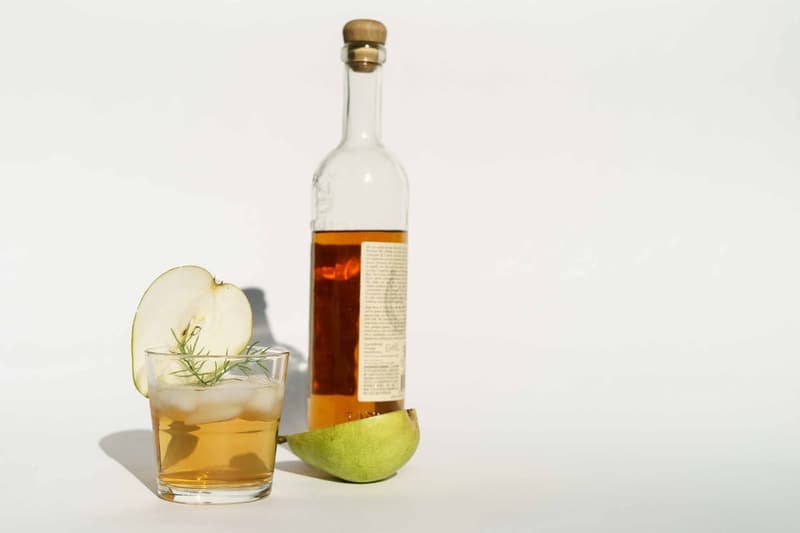
Apple brandy is distilled from fermented apples and often aged in wood, so it brings concentrated apple aroma plus spirit-strength alcohol in a small volume. That alcohol is what lets it flame in a pan, soak and preserve fruitcakes and carry flavor into cream sauces. Recipes rarely use more than a few tablespoons, so the swap is about which of those jobs matters.
Flambéing and pan sauces
Normandy-style pork or chicken with apples and cream, and flambéed crêpes, need a liquor strong enough to ignite. Grape brandy, cognac and bourbon all flame at the same amount. Pour from a measuring cup, never from the bottle, and take the pan off the heat before lighting. For apple flavor without a second spirit, add a few tablespoons of apple cider after the flames die and reduce it with the sauce.
Baking
In apple cake, tarte Tatin, apple pie and bread pudding, apple brandy adds aroma rather than structure. Bourbon pairs especially well with baked apples. Apple juice concentrate replaces it in batters and fillings at the same amount; trim the sugar slightly, since the concentrate is sweet and browns faster in the oven.
Fruitcakes and preserved desserts
Fruitcake brushed with spirits for weeks depends on the alcohol to keep mold away. Use another spirit of similar strength, such as brandy or rum. Juice-soaked cakes do not keep; refrigerate them and eat them within a few days.
Drinks
The Jack Rose, Pan American Clipper and apple brandy sours are built on the spirit. Calvados and applejack swap freely; pear brandy or grape brandy with a dash of apple cider is the next closest. Apple juice concentrate makes a different, non-alcoholic drink.
When not to substitute
If the dish must be alcohol-free, do not count on flaming or baking: the USDA retention table found that flamed dishes keep most of their alcohol. Use juice concentrate instead, or cook something else.
A Calvados-forward dish such as a trou normand (a small glass of Calvados between courses) or Calvados-soaked apples is the brandy itself; any substitute is a different recipe.
Common mistakes
- Using regular apple juice. It is too watery to deliver flavor in a tablespoon; use concentrate or reduce juice first.
- Expecting cider or wine to flame. They are not strong enough to ignite reliably.
- Swapping in apple liqueur. Sweet liqueurs are lower in alcohol and much sweeter, so sauces turn syrupy and may not flame.
- Pouring spirits from the bottle over a flame. The vapor can ignite back toward the bottle.
All 5 substitutes at a glance
| Substitute | Ratio | Best for | Notes |
|---|---|---|---|
| Calvados or applejack CookingBakingRaw & finishing | 1:1 | Normandy chicken or pork, apple tarts, Jack Rose, flambéed crêpes | Both are apple brandies, so whichever the recipe does not name works directly. Calvados tends to be drier and more oak-aged; blended applejack can taste lighter. Nothing else needs changing. |
| Grape brandy or cognac CookingBaking | 1:1 | flambéing, pan sauces, fruitcake, pâté | Same spirit strength, so it flames and preserves the same way. The apple note is lost; in a sauce, deglaze with a splash of apple cider afterward to bring it back. |
| Bourbon CookingBaking | 1:1 | apple pie, caramel sauce, pork chops, bread pudding | Spirit-strength, with vanilla and caramel flavors from new oak barrels that pair naturally with baked apples. Sweeter-tasting than apple brandy; in sauces with sugar, hold back a little sweetener. |
| Pear brandy (eau-de-vie) CookingBakingRaw & finishing | 1:1 | fruit desserts, sorbet, cream sauces, fruit salads | Another fruit brandy, usually unaged and intensely aromatic. Its pear flavor sits close to apple; it lacks Calvados's woody roundness, so it suits fresh fruit better than long braises. |
| Frozen apple juice concentrate (alcohol-free) CookingBaking | 1:1 | glazes, pan sauces, cake batters, fillings | Concentrated, so a spoonful carries real apple flavor where cider would be watery. It is sweet: reduce the recipe's sugar slightly. It will not flame, and it does not preserve a soaked fruitcake. |
Substitute calculator
How much apple brandy does your recipe call for?
- Calvados or applejack1 tbsp Calvados or applejack
- Grape brandy or cognac1 tbsp brandy
- Bourbon1 tbsp bourbon
- Pear brandy (eau-de-vie)1 tbsp pear brandy
- Frozen apple juice concentrate (alcohol-free)1 tbsp thawed apple juice concentrate
Amounts are rounded to practical kitchen measures. Swaps without a fixed ratio, or that can't be measured in the unit you picked, show their ratio instead.
Topics: apple brandyalcoholfruitycookingbaking All cooking guides
Frequently asked questions
What is the difference between Calvados and applejack?
Calvados is apple (and sometimes pear) brandy from a protected region of Normandy, aged in oak. Applejack is the American name; some bottles are straight apple brandy and others are blended with neutral spirit. For cooking, either works.
Can I use hard cider instead of apple brandy?
Only where the brandy is a liquid, not a spirit. Cider is far weaker, so it will not flame or preserve, and you need more of it for the same flavor. In a cream sauce for pork, boil down a generous splash of cider before adding the cream.
Can I flambé with apple juice?
No. Flambéing needs a spirit-strength liquor to ignite. Juice, cider and wine will not catch reliably. For the look and caramelized flavor without alcohol, cook the fruit in butter and sugar until it browns.
Does the alcohol in apple brandy cook off?
Not entirely. The USDA retention table found that flaming leaves about 75% of the alcohol in the dish and baking a stirred-in spirit for an hour about 25%. For an alcohol-free dish, use the apple juice concentrate swap.
Sources
- USDA Table of Nutrient Retention Factors, Release 6, USDA Agricultural Research Service
More cooking substitutes
Substitute for Coconut Oil
No coconut oil? Use shortening 1:1 where it must stay solid, butter or vegan butter 1:1 in most baking, and a neutral oil 1:1 when the recipe melts it.
Read
Substitute for Lemon Juice
No lemons? Bottled lemon or lime juice swap 1:1, white wine vinegar at half the amount suits dressings, and citric acid replaces it when only sourness matters.
Read
Substitute for Olive Oil
No olive oil? Any neutral oil swaps 1:1 for cooking and baking, avocado oil 1:1 for dressings and searing, and melted butter 1:1 in cakes and roasting.
Read
Substitute for Allspice
No allspice? Mix ½ tsp cinnamon with ½ tsp ground cloves for each teaspoon, soften it with nutmeg for cakes, or use cloves alone at a quarter in savory rubs.
Read