
Cooking
Substitute for Canned Tomatoes
Replace a 14.5-oz can of tomatoes with about 1¼ lb fresh tomatoes, peeled and chopped, or 1 cup tomato sauce plus ⅔ cup water. Double it all for a 28-oz can.
- vegetarian
- vegan
- gluten free
Quick answer
Out of canned tomatoes? The most versatile swaps:
- 1
Fresh tomatoes, peeled and chopped
About 1¼ lb (4 to 5 medium tomatoes) for a 14.5-oz can
- 2
Crushed tomatoes or passata
1:1 by weight
- 3
Tomato sauce + water
1 cup tomato sauce + ⅔ cup water for a 14.5-oz can
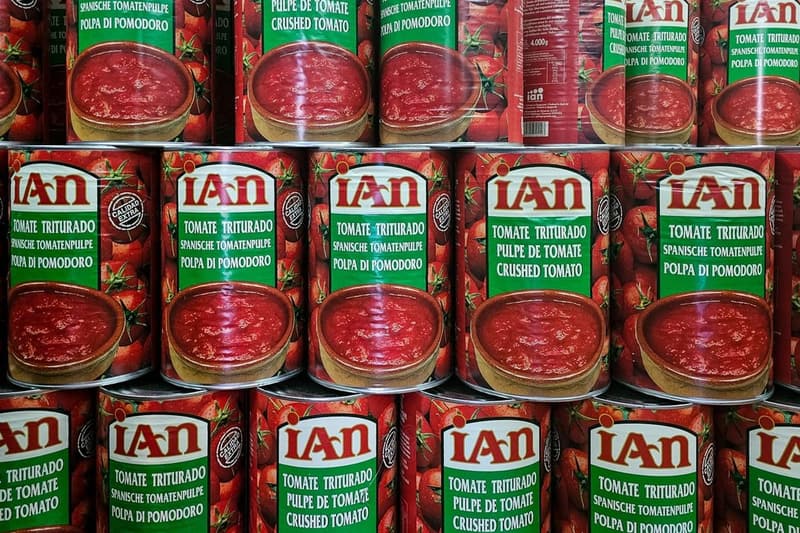
Canned tomatoes are ripe tomatoes peeled, packed in their juice and heat-processed. They bring liquid, body, acidity and a cooked, consistent flavor that does not depend on the season. USDA data show tomatoes canned in juice at about 95 percent water, almost the same as fresh. So the swaps are mostly about weight and texture: how much of something else carries the same amount of tomato, and whether the dish should be chunky or smooth.
Sauces, soups and stews
Fresh tomatoes replace canned well in summer. The National Center for Home Food Preservation figures an average of 3 pounds of fresh tomatoes per canned quart, which works out to about 1¼ pounds for a 14.5-ounce can and 2½ pounds for a 28-ounce can. To peel them, cut a shallow X in the base, drop them into boiling water until the skin curls back, then into cold water. Simmer longer than with canned, since fresh tomatoes release more water and taste lighter.
Tomato sauce and tomato paste are concentrates, so they need water to stand in for a can. The amounts in the table come from USDA water figures: a cup of sauce or 5 tablespoons of paste carries roughly the same tomato solids as a 14.5-ounce can in juice. Salt is the catch. A cup of salted canned tomato sauce has more than twice the sodium of a whole can of tomatoes in juice, according to USDA data. Hold back salt until the end.
Chunky versus smooth
Diced and whole canned tomatoes give a chunky sauce; crushed tomatoes and passata give a smooth one. Mashing whole tomatoes in the pot makes a rustic texture in between. Diced canned tomatoes usually stay firm even after hours of simmering, because many brands add calcium chloride to firm them; check the label. Fresh tomatoes and crushed tomatoes collapse much sooner.
When not to substitute
For home canning, use only a tested recipe from the National Center for Home Food Preservation; do not substitute ingredients, change jar sizes or skip the added lemon juice or citric acid. Off-season fresh tomatoes are a poor swap in long-simmered winter sauces, where canned plum tomatoes have better flavor and color.
Common mistakes
- Using tomato sauce without water. The dish turns thick and too salty.
- Leaving skins on fresh tomatoes in a long-cooked sauce. They curl into tough strips.
- Expecting diced tomatoes to break down. Added calcium keeps them in cubes; use whole or crushed for a smooth sauce.
- Swapping by volume with fresh, whole tomatoes. Cut tomatoes pack differently; weigh them or count 4 to 5 medium per can.
All 4 substitutes at a glance
| Substitute | Ratio | Best for | Notes |
|---|---|---|---|
| Fresh tomatoes, peeled and chopped Cooking | About 1¼ lb (4 to 5 medium tomatoes) for a 14.5-oz can | summer pasta sauces, shakshuka, curries, salsa cruda | The extra weight covers cores, skins and the water fresh tomatoes give off. Off-season tomatoes are paler and blander; plum (Roma) types are meatier and closest to canned. |
| Crushed tomatoes or passata Cooking | 1:1 by weight | pasta sauces, soups, pizza sauce, braises | Same tomatoes, broken down further and slightly thicker. No chunks, so a sauce comes out smooth. Loosen with a splash of water if it gets too thick. |
| Tomato sauce + water Cooking | 1 cup tomato sauce + ⅔ cup water for a 14.5-oz can | chili, soups, stews, rice dishes | Tomato sauce is more concentrated than tomatoes in juice, so water brings it back to the same strength. It is smooth and saltier; season at the end. |
| Tomato paste + water Cooking | 5 tbsp tomato paste + 1⅓ cups water for a 14.5-oz can | soups, braises, lentils and beans | Paste is cooked longer than canned tomatoes, so the result tastes deeper and less fresh. Fry the paste in oil before adding the water, then simmer a few minutes. |
Substitute calculator
How much canned tomatoes does your recipe call for?
- Fresh tomatoes, peeled and chopped1¼ lb fresh ripe tomatoes
- Crushed tomatoes or passata14½ oz crushed tomatoes or passata
- Tomato sauce + water1 cup canned tomato sauce + ⅔ cup water
- Tomato paste + water⅓ cup tomato paste + 1⅓ cups water
Amounts are rounded to practical kitchen measures. Swaps without a fixed ratio, or that can't be measured in the unit you picked, show their ratio instead.
Topics: canned tomatoesfresh tomatoessaucescookingpantry All cooking guides
Frequently asked questions
How many cups are in a can of tomatoes?
A 14.5-ounce can holds about 1¾ cups, and a 28-ounce can about 3⅓ cups, based on USDA's weight of 240 grams per cup for canned tomatoes in juice. Recipes that say one large can mean the 28-ounce size.
Why do canned diced tomatoes stay firm when cooked?
The federal standard for canned tomatoes allows calcium salts as a firming agent, with a higher limit for diced, sliced and wedge styles. Those pieces hold their shape through long cooking. For a smooth sauce, buy whole or crushed tomatoes instead.
Can I can my own tomatoes to replace store-bought?
Yes, but only with a tested recipe. Home-canned tomatoes need added acid and specific processing times for safety. Follow the National Center for Home Food Preservation's instructions exactly, without changing quantities.
Should I drain fresh tomatoes before using them?
Only for dishes that need to stay thick, such as pizza or bruschetta. New Mexico State University Extension notes that a can may need draining when used in place of fresh; the reverse is also true. Salt chopped tomatoes and let them drain for 15 minutes.
Sources
- Whole or Halved Tomatoes (packed in water), National Center for Home Food Preservation
- Tomato acidification directions, National Center for Home Food Preservation
- In a pinch: ingredient substitution (E-131), New Mexico State University Extension
- 21 CFR 155.190: Canned tomatoes, Legal Information Institute, Cornell Law School
- Tomatoes, red, ripe, canned, packed in tomato juice (FDC ID 170051), USDA FoodData Central
- Tomatoes, red, ripe, raw, year round average (FDC ID 170457), USDA FoodData Central
- Tomato products, canned, sauce (FDC ID 170054), USDA FoodData Central
- Tomato products, canned, paste, without salt added (FDC ID 170459), USDA FoodData Central
More cooking substitutes
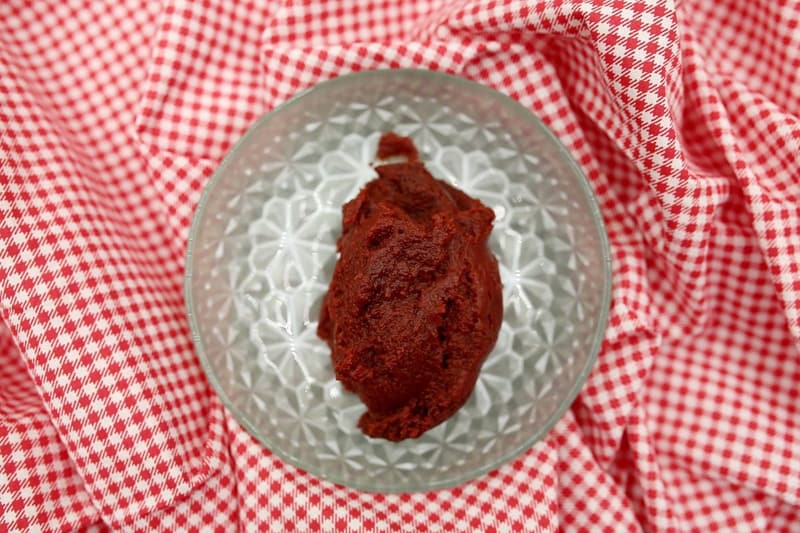
Substitute for Tomato Paste
Simmer 3 tbsp tomato sauce or 2 tbsp purée down to 1 tbsp for each tablespoon of tomato paste. Ketchup works 1:1 in chili and barbecue sauce, not in pasta sauce.
Read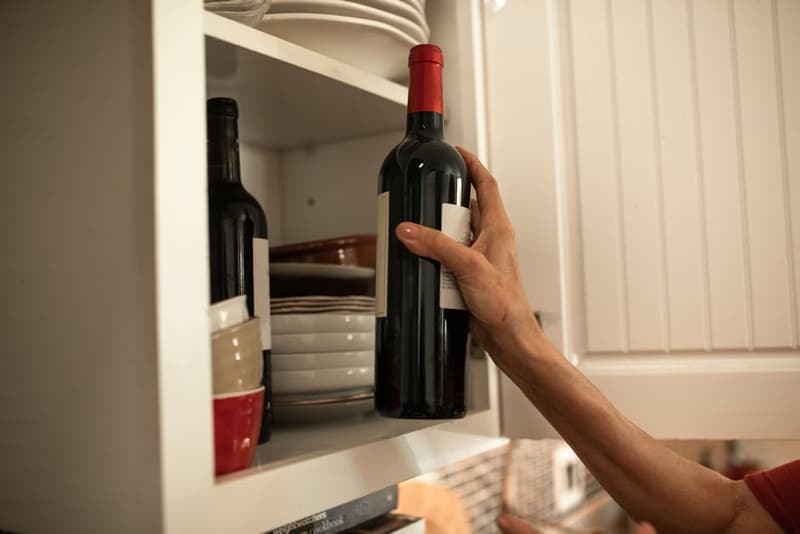
Substitute for Wine in Cooking
Cooking without wine? Use stock with 1 tbsp wine vinegar per cup, non-alcoholic wine 1:1, or grape, cranberry or apple juice sharpened with a little vinegar.
Read
Substitute for Apple Brandy
No apple brandy? Calvados and applejack swap for each other 1:1, grape brandy or bourbon 1:1 for flambéing, and apple juice concentrate if alcohol is out.
ReadSubstitute for Capers
Out of capers? Use the same amount of chopped green olives or caper berries, half as much pickled green peppercorn, or minced cornichons in tartar sauce.
Read