
Cooking
Substitute for Capers
Out of capers? Use the same amount of chopped green olives or caper berries, half as much pickled green peppercorn, or minced cornichons in tartar sauce.
- vegetarian
- vegan
- gluten free
Quick answer
Out of capers? The most versatile swaps:
- 1
Green olives, chopped
1 tbsp chopped olives for 1 tbsp capers
- 2
Caper berries, chopped
1 tbsp chopped for 1 tbsp capers
- 3
Pickled green peppercorns
1½ tsp for 1 tbsp capers
Capers are the pickled flower buds of a Mediterranean shrub. In a dish they work as small bursts of salt and acid, with a sharp, slightly mustardy flavor that cuts through butter, oily fish and rich sauces. A replacement needs both salt and sour, in small pieces that scatter through the dish.
Pan sauces and pasta
In chicken piccata, puttanesca and lemon-butter sauces for fish, chopped green olives are the closest swap: they share the brine and acid and hold up to simmering. Caper berries taste even more like capers but need chopping. Add either at the end, as capers would go, and taste before salting the sauce, because both bring their own salt.
For cream sauces and pan sauces with steak, pickled green peppercorns are a classic alternative. Use half as much, since the heat builds as the sauce reduces.
Cold sauces and salads
Tartar sauce, remoulade, gribiche and potato salad want crunch as much as brine. Minced cornichons or a sour dill pickle supply both. Since pickles carry more vinegar than salt, add a pinch of salt and a few drops of the pickle brine for a sharper edge.
In tapenade, olives are already the base; leaving the capers out and adding a little extra lemon zest and an anchovy (if the dish is not vegetarian) keeps the balance.
When not to substitute
Where capers are the main ingredient, as in fried capers, salsa verde built on them, or Sicilian caponata, their flavor defines the dish and olives make a different one. Smoked salmon platters also rely on whole capers’ look and pop; chopped olives seem out of place there.
Common mistakes
- Using salt-packed capers without soaking. The surface salt makes the dish inedibly salty.
- Salting the sauce before adding the swap. Olives and capers both bring salt; season last.
- Using whole olives. One large piece per bite is overpowering; chop to caper size.
- Adding sweet pickles. Their sugar fights the lemon in tartar sauce and piccata.
- Boiling the capers or olives for long. They turn soft and dull; add them in the last few minutes.
All 5 substitutes at a glance
| Substitute | Ratio | Best for | Notes |
|---|---|---|---|
| Green olives, chopped CookingRaw & finishing | 1 tbsp chopped olives for 1 tbsp capers | piccata, puttanesca, tapenade, fish sauces | Brine-cured, salty and sour like capers, with a meatier, oilier bite and less of the sharp mustardy note. Chop to caper size so the flavor spreads. Choose plain brined olives, not mild buttery ones or stuffed ones. |
| Caper berries, chopped CookingRaw & finishing | 1 tbsp chopped for 1 tbsp capers | salads, pasta, fish, antipasti | The fruit of the same plant, so the flavor is close but milder. Cut off the stems and chop; whole berries are olive-sized with crunchy seeds, which suit a platter but not a sauce. |
| Pickled green peppercorns Cooking | 1½ tsp for 1 tbsp capers | pan sauces for steak or chicken, pâté, cream sauces | Similar size and the same brined pop, but they bring peppery heat that capers lack, so half the amount keeps the dish from turning spicy. Crush lightly to release the flavor. |
| Cornichons or sour dill pickles, minced Raw & finishingCooking | 1 tbsp minced for 1 tbsp capers | tartar sauce, remoulade, potato salad, deviled eggs | Sour and crunchy, with more vinegar and dill than salt, so add a pinch of salt. Avoid sweet bread-and-butter pickles, whose sugar changes the sauce. |
| Pickled nasturtium seeds CookingRaw & finishing | 1:1 | any caper recipe, salads, garnish | Green seed pods brined then pickled in vinegar. Their peppery, mustard-like bite is the closest homemade match, but they need a couple of weeks in the jar first. |
Substitute calculator
How much capers does your recipe call for?
- Green olives, chopped1 tbsp chopped brined green olives
- Caper berries, chopped1 tbsp chopped caper berries
- Pickled green peppercorns1½ tsp brined green peppercorns
- Cornichons or sour dill pickles, minced1 tbsp minced cornichons
- Pickled nasturtium seeds1 tbsp pickled nasturtium seeds
Amounts are rounded to practical kitchen measures. Swaps without a fixed ratio, or that can't be measured in the unit you picked, show their ratio instead.
Topics: capersmediterraneanbrinypiccatasauces All cooking guides
Frequently asked questions
Should I rinse capers before using them?
Rinse brined capers if the dish is already salty or delicate. Salt-packed capers must be soaked in cold water for 10 to 15 minutes, changing the water once, or they will oversalt the dish.
What is the difference between nonpareil and larger capers?
Nonpareils are the smallest buds, firm with a fine texture, and the usual choice for sauces. Larger capers are softer and more pungent per piece; chop them roughly so no one bites into a whole one.
Can I fry capers?
Yes. Pat brined capers dry and fry them in a few millimeters of hot oil until they open and turn crisp, about a minute. They make a crunchy garnish for fish, eggs and salads; olives do not crisp the same way.
Can I leave capers out of chicken piccata?
The sauce will still work, but it relies on capers for salt and sour contrast against the butter. Without them, add an extra squeeze of lemon and a little more salt, or use chopped green olives.
More cooking substitutes
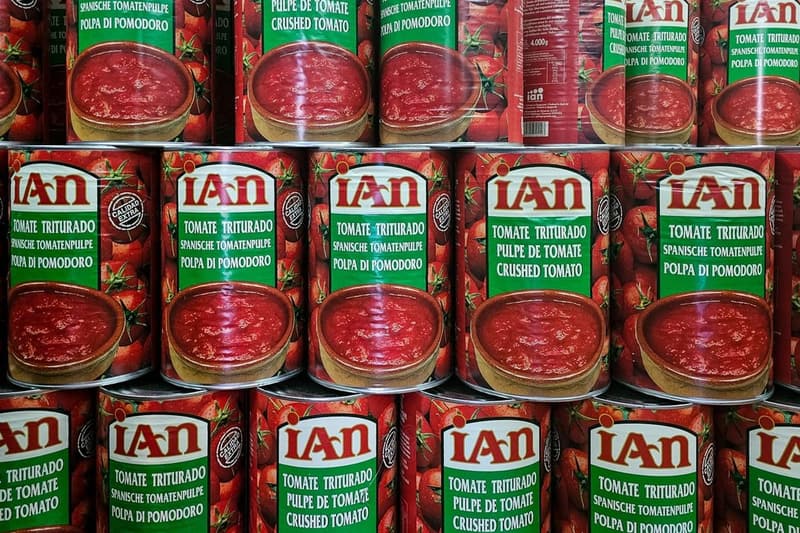
Substitute for Canned Tomatoes
Replace a 14.5-oz can of tomatoes with about 1¼ lb fresh tomatoes, peeled and chopped, or 1 cup tomato sauce plus ⅔ cup water. Double it all for a 28-oz can.
ReadSubstitute for Red Wine Vinegar
No red wine vinegar? Sherry, white wine or cider vinegar swap 1:1; for color and fruit, mix 2 tsp white wine vinegar with 1 tsp balsamic per tablespoon.
Read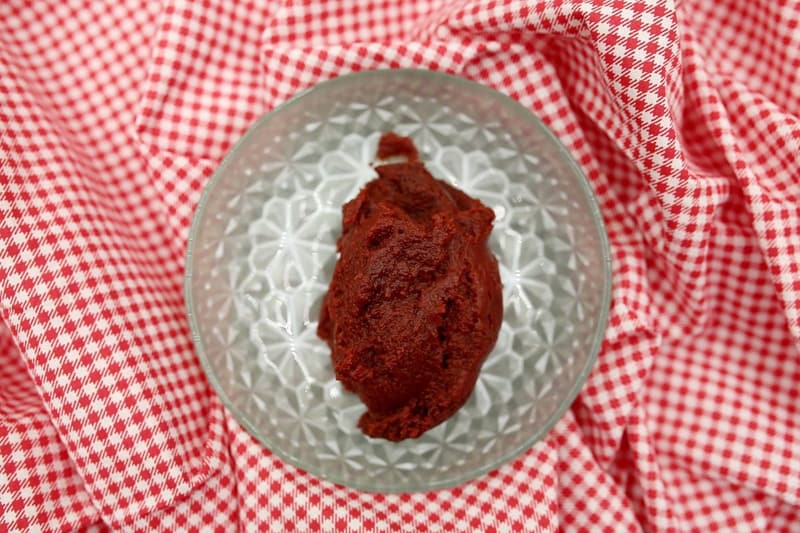
Substitute for Tomato Paste
Simmer 3 tbsp tomato sauce or 2 tbsp purée down to 1 tbsp for each tablespoon of tomato paste. Ketchup works 1:1 in chili and barbecue sauce, not in pasta sauce.
Read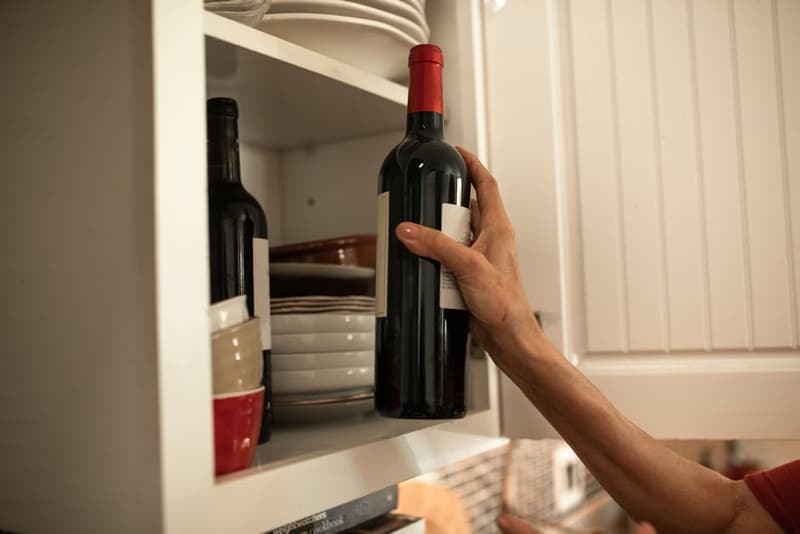
Substitute for Wine in Cooking
Cooking without wine? Use stock with 1 tbsp wine vinegar per cup, non-alcoholic wine 1:1, or grape, cranberry or apple juice sharpened with a little vinegar.
Read