
Cooking
Substitute for Tomato Paste
Simmer 3 tbsp tomato sauce or 2 tbsp purée down to 1 tbsp for each tablespoon of tomato paste. Ketchup works 1:1 in chili and barbecue sauce, not in pasta sauce.
- vegetarian
- vegan
- gluten free
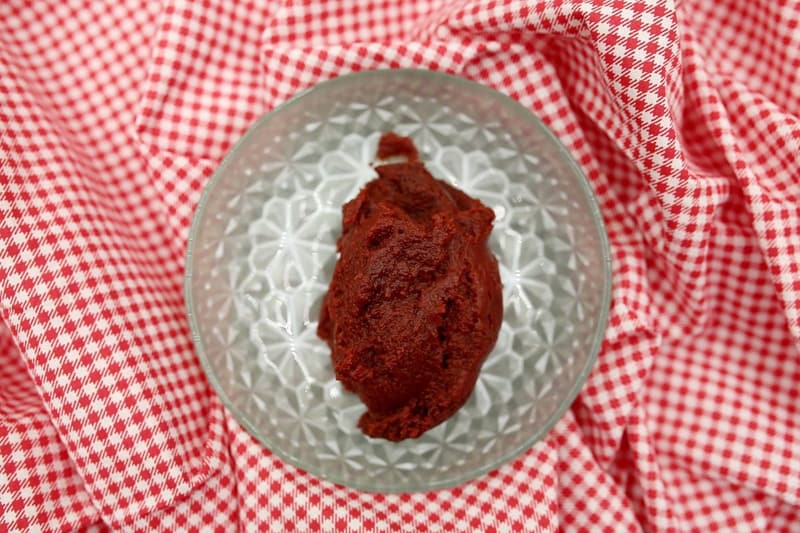
Quick answer
Out of tomato paste? The most versatile swaps:
- 1
Tomato purée (passata), reduced
2 tbsp purée, simmered down to 1 tbsp, for 1 tbsp paste
- 2
Tomato sauce, reduced
3 tbsp tomato sauce, simmered down to 1 tbsp, for 1 tbsp paste
- 3
Ketchup
1:1
Tomato paste is tomatoes cooked until most of the water is gone. USDA data put unsalted paste at about 74 percent water, against roughly 88 percent for purée and 91 percent for canned tomato sauce. That concentration is why a single spoonful can color and thicken a pot of chili and give it a deep, savory base without making it watery. Its other trick needs heat: fried in oil until it darkens to brick red, its sugars caramelize and the raw, tinny taste disappears.
Sauces, soups and braises
The best swap depends on how much water the dish can take. A soup, curry or braise already has plenty of liquid, so tomato purée or tomato sauce can go in unreduced: use 2 tablespoons of purée or 3 of sauce per tablespoon of paste and cut the stock or water by the difference. Those amounts follow the water figures above; purée has a little under half of paste’s solids and sauce about a third.
For a thick ragù, a pizza sauce or a curry base where water would thin everything out, reduce first. Simmer the purée or sauce in a wide pan, stirring, until it holds a trail when a spoon is pulled through it. Then fry it in oil as the recipe says to fry the paste.
Barbecue, chili and glazes
Ketchup is tomato concentrate with sugar, vinegar and salt, which is why NMSU Extension can list tomato sauce plus sugar and vinegar as a stand-in for it. In barbecue sauce, chili, meatloaf or a burger mix those extras belong, so ketchup works spoon for spoon. Taste before adding the recipe’s sugar or vinegar; it often needs less.
Uncooked uses
Paste in a dip, a pesto or a spread is eaten raw. Puréed sun-dried tomatoes suit these better than paste does, since their flavor is already concentrated and mellowed by drying.
When not to substitute
Where paste is the main thickener in a small volume, such as a pizza sauce made by thinning paste or a tomato glaze brushed onto meat, liquid swaps fail unless reduced all the way. Ketchup does not suit Italian, Indian or Middle Eastern sauces; its sweetness and vinegar show.
Common mistakes
- Adding unreduced sauce to a thick dish. A tablespoon of paste becomes three of liquid, and a stew turns soupy.
- Reducing over high heat. Sugars catch on the bottom of the pan and the sauce tastes burnt.
- Forgetting the salt in tomato sauce. Salted canned sauce plus the recipe’s own salt can oversalt the dish; season at the end.
- Skipping the frying step. Purée and sauce also taste raw unless cooked in oil until darker.
All 4 substitutes at a glance
| Substitute | Ratio | Best for | Notes |
|---|---|---|---|
| Tomato purée (passata), reduced Cooking | 2 tbsp purée, simmered down to 1 tbsp, for 1 tbsp paste | pasta sauces, soups, curries, braises | Same ingredient at a lower concentration, so the flavor is right once the extra water is gone. In a soup or braise, skip the reducing and cut the recipe's liquid by 1 tbsp instead. |
| Tomato sauce, reduced Cooking | 3 tbsp tomato sauce, simmered down to 1 tbsp, for 1 tbsp paste | chili, stews, meat sauces, soups | About a third as concentrated as paste. Canned tomato sauce is usually salted and sometimes seasoned, so hold back salt until the end. Or add unreduced and cut 2 tbsp of other liquid. |
| Ketchup Cooking | 1:1 | chili, barbecue sauce, meatloaf, sloppy joes | Similar thickness, but much of its solids are sugar, and it carries vinegar and salt. Reduce sugar and vinegar elsewhere in the recipe. Too sweet for Italian and Indian sauces. |
| Sun-dried tomatoes, puréed CookingRaw & finishing | 1 tbsp chopped oil-packed sun-dried tomatoes, blended smooth, for 1 tbsp paste | pesto, dips, pasta, Mediterranean stews | Drier and more intensely flavored than paste, with a chewy, fruity, slightly tart taste. The packing oil comes along; reduce other oil slightly. Blend with a teaspoon of the oil if the blender struggles. |
Substitute calculator
How much tomato paste does your recipe call for?
- Tomato purée (passata), reduced2 tbsp tomato purée
- Tomato sauce, reduced3 tbsp canned tomato sauce
- Ketchup1 tbsp ketchup
- Sun-dried tomatoes, puréed1 tbsp oil-packed sun-dried tomatoes
Amounts are rounded to practical kitchen measures. Swaps without a fixed ratio, or that can't be measured in the unit you picked, show their ratio instead.
Topics: tomato pasteumamisaucescookingconcentrated All cooking guides
Frequently asked questions
What is the difference between tomato paste and tomato purée?
Concentration. The US standard of identity sets tomato paste at 24 percent or more natural tomato soluble solids, and tomato purée at 8 percent up to just under 24 percent. In UK and Australian shops, the product labelled tomato purée is often what Americans call paste.
How much tomato paste is in a small can?
A 6-ounce can holds about 170 grams, which USDA data put at roughly ⅔ cup, or 10 to 11 tablespoons. Leftover paste freezes well in tablespoon portions on a lined tray, then bagged.
Can I use tomato paste instead of tomato sauce?
Yes. Stir 1 part paste into about 2 parts water, which brings it close to the solids of canned sauce, then season with salt, since unsalted paste has almost none.
Sources
- 21 CFR 155.191: Tomato concentrates, Legal Information Institute, Cornell Law School
- Tomato products, canned, paste, without salt added (FDC ID 170459), USDA FoodData Central
- Tomato products, canned, puree, without salt added (FDC ID 170460), USDA FoodData Central
- Tomato products, canned, sauce (FDC ID 170054), USDA FoodData Central
- In a pinch: ingredient substitution (E-131), New Mexico State University Extension
More cooking substitutes
Substitute for Canned Tomatoes
Replace a 14.5-oz can of tomatoes with about 1¼ lb fresh tomatoes, peeled and chopped, or 1 cup tomato sauce plus ⅔ cup water. Double it all for a 28-oz can.
ReadSubstitute for Ice Wine
No icewine? Use Sauternes, late-harvest Riesling or ice cider 1:1, or simmer 1 cup white grape juice to ½ cup and add 1 tsp lemon juice for an alcohol-free swap.
Read
Substitute for Wine in Cooking
Cooking without wine? Use stock with 1 tbsp wine vinegar per cup, non-alcoholic wine 1:1, or grape, cranberry or apple juice sharpened with a little vinegar.
Read
Substitute for Anchovy Paste
Mash about 1½ anchovy fillets for each teaspoon of anchovy paste, or use ½ tsp fish sauce. For vegan Caesar, white miso with mashed capers fills the gap.
Read