
Cooking
Substitute for Ice Wine
No icewine? Use Sauternes, late-harvest Riesling or ice cider 1:1, or simmer 1 cup white grape juice to ½ cup and add 1 tsp lemon juice for an alcohol-free swap.
- vegetarian
- vegan
- gluten free
Quick answer
Out of ice wine? The most versatile swaps:
- 1
Sauternes or Tokaji Aszú
1:1
- 2
Late-harvest Riesling or Vidal
1:1
- 3
Ice cider (cidre de glace)
1:1
Icewine is made from grapes left on the vine until they freeze naturally, then pressed while frozen so only a small amount of concentrated juice runs out. The result is very sweet but also sharply acidic, with apricot, honey and tropical fruit flavors. In cooking, it supplies sweetness, body and tang in one pour, usually in desserts, sauces for foie gras or duck, and dressings for fruit or cheese. A substitute has to cover sweetness and acidity together.
Desserts and sabayon
For sabayon, poached fruit, granita and panna cotta, Sauternes comes closest in richness; add a squeeze of lemon if the dessert tastes flat. Late-harvest Riesling keeps the bright acidity but is lighter, so sweeten it slightly. Sweet Muscat suits peaches and berries, where its floral aroma fits. Whichever wine goes into a sabayon, whisk it with the yolks over barely simmering water so the eggs thicken without scrambling.
Sauces and glazes
Pan sauces for duck, pork or foie gras reduce the wine with stock or butter. Any of the sweet wines work at the same volume, and ice cider is especially good with pork and apples. Reduce slowly: high sugar content means the sauce can scorch before it thickens.
Dressings and raw uses
A spoonful of icewine in a vinaigrette for blue cheese or fruit salad adds sweetness and acid together. Late-harvest Riesling or ice cider replace it neatly. The reduced grape juice with lemon is the alcohol-free choice, and works well since raw dressings show the lack of alcohol least.
When not to substitute
When icewine is served on its own or poured over a simple dessert as the focus, such as icewine-macerated berries or an icewine jelly, the specific flavor is the point. Sauternes or late-harvest wine makes a fine dish, but a different one.
For an alcohol-free table, avoid all the wine swaps rather than relying on cooking: sauces reduced briefly keep much of their alcohol.
Common mistakes
- Using port. Its red-fruit, raisin and spice flavors clash with the pale fruit dishes icewine usually goes into.
- Replacing it with a dry wine. Desserts lose both sweetness and body.
- Boiling the sauce hard. Sweet wines caramelize and burn quickly.
- Using grape juice straight from the carton. Without reducing it, it is too thin and lacks acidity.
All 5 substitutes at a glance
| Substitute | Ratio | Best for | Notes |
|---|---|---|---|
| Sauternes or Tokaji Aszú CookingRaw & finishing | 1:1 | sabayon, foie gras sauces, poached pears, fruit gratins | Sweet wines from grapes concentrated by noble rot rather than frost. Similarly rich, but with honey and saffron notes and usually less acidity; a squeeze of lemon brings back icewine's tang. |
| Late-harvest Riesling or Vidal CookingRaw & finishing | 1:1 | fruit salads, vinaigrettes, sorbet, glazes | Often from the same grapes and regions as icewine, picked late but before freezing. Bright acidity like icewine, but less sweet; add a little sugar or honey to desserts if the sweetness matters, tasting as you go. |
| Ice cider (cidre de glace) CookingRaw & finishing | 1:1 | apple and pear desserts, cheese plates, pork glazes, cocktails | Made in Quebec by concentrating apple juice through cold, the same principle as icewine. Similar sweetness and acidity; the fruit tastes of apple instead of apricot and lychee. |
| Sweet Muscat (Beaumes-de-Venise or Moscatel) CookingRaw & finishing | 1:1 | peaches, berry desserts, panna cotta, syllabub | Fortified dessert wines with strong floral, grapey aroma. Sweet enough, but higher in alcohol and lower in acidity than icewine; add lemon juice and avoid them in delicate cold sauces where the alcohol shows. |
| Reduced white grape juice + lemon (alcohol-free) CookingRaw & finishing | 1 cup white grape juice simmered to ½ cup, plus 1 tsp lemon juice | glazes, dessert sauces, fruit salads, children's desserts | Halving the juice doubles its sugar, approaching icewine's syrupy body, and lemon supplies the acidity. Cool before using in cold dishes. It tastes of plain grape juice rather than tropical fruit. |
Substitute calculator
How much ice wine does your recipe call for?
- Sauternes or Tokaji Aszú½ cup Sauternes
- Late-harvest Riesling or Vidal½ cup late-harvest Riesling
- Ice cider (cidre de glace)½ cup ice cider
- Sweet Muscat (Beaumes-de-Venise or Moscatel)½ cup sweet Muscat wine
- Reduced white grape juice + lemon (alcohol-free)1 cup white grape juice (before reducing) + 1 tsp lemon juice
Amounts are rounded to practical kitchen measures. Swaps without a fixed ratio, or that can't be measured in the unit you picked, show their ratio instead.
Topics: ice winedessert winesweetconcentratedcooking All cooking guides
Frequently asked questions
What makes icewine different from other dessert wines?
Canada's Icewine Regulations reserve the name for wine made exclusively from grapes naturally frozen on the vine. Pressing frozen grapes leaves much of the water behind as ice, so the juice is intensely sweet and acidic. Late-harvest and botrytised wines concentrate sugar by other routes.
Can I use regular white wine instead of icewine?
Only where icewine is a small splash in a savory sauce. A dry wine lacks the sweetness and body, so desserts taste thin. If it is all you have, reduce it with honey and taste, but expect a different result.
Is it worth cooking with icewine?
Heat dulls its fresh fruit aroma, so in long-cooked sauces a cheaper late-harvest wine gives a similar result. Icewine shows best in uncooked uses: drizzled on fruit, whisked into a cold sabayon, or in a vinaigrette for a cheese course.
How long does an open bottle of icewine keep?
Its sugar and acidity help it keep longer than table wine. Recork it and store it in the fridge, and use it within a couple of weeks; leftovers past their best are still good for poaching fruit.
Sources
- Icewine Regulations (SOR/2014-10), Government of Canada, Justice Laws
More cooking substitutes
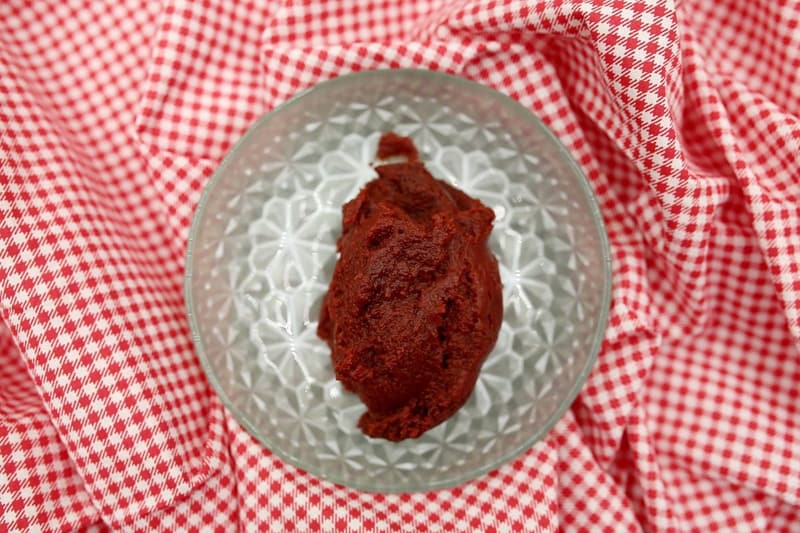
Substitute for Tomato Paste
Simmer 3 tbsp tomato sauce or 2 tbsp purée down to 1 tbsp for each tablespoon of tomato paste. Ketchup works 1:1 in chili and barbecue sauce, not in pasta sauce.
Read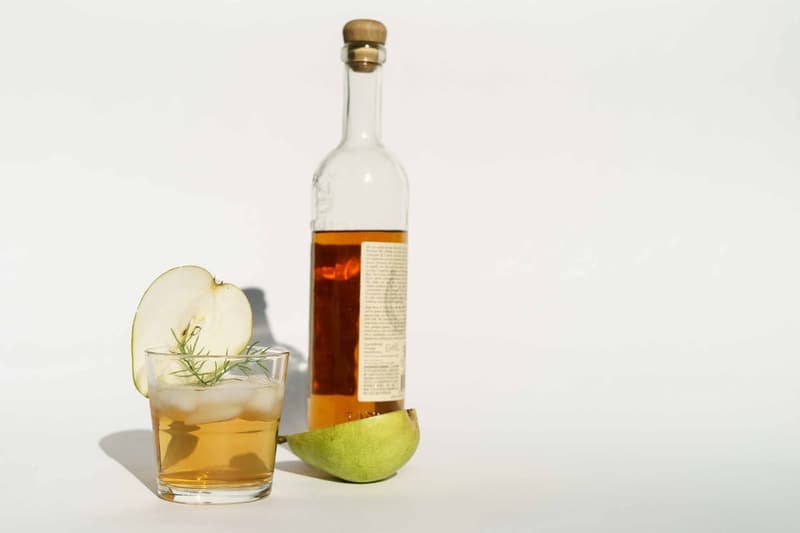
Substitute for Apple Brandy
No apple brandy? Calvados and applejack swap for each other 1:1, grape brandy or bourbon 1:1 for flambéing, and apple juice concentrate if alcohol is out.
Read
Substitute for Canned Tomatoes
Replace a 14.5-oz can of tomatoes with about 1¼ lb fresh tomatoes, peeled and chopped, or 1 cup tomato sauce plus ⅔ cup water. Double it all for a 28-oz can.
Read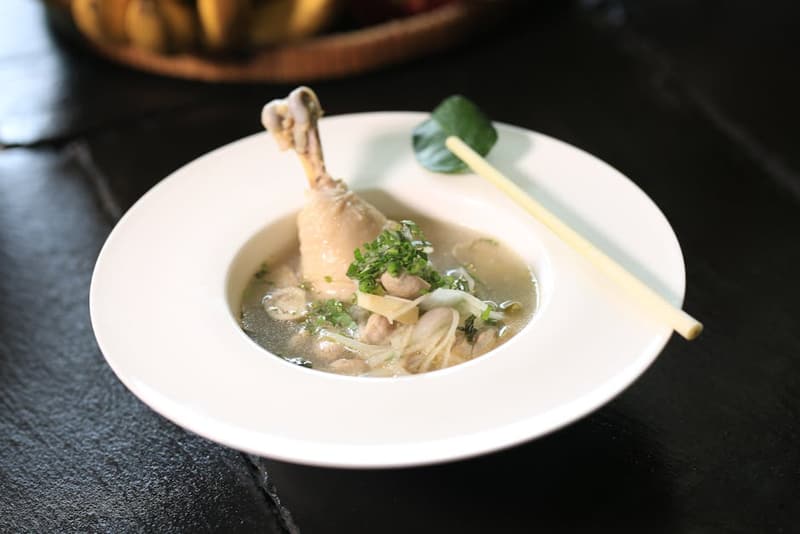
Substitute for Chicken Broth
Dissolve 1 bouillon cube or 1 tsp broth base in 1 cup boiling water per cup of chicken broth, or use vegetable broth 1:1. Watch the salt when reducing.
Read