
Cooking
Substitute for Chicken Broth
Dissolve 1 bouillon cube or 1 tsp broth base in 1 cup boiling water per cup of chicken broth, or use vegetable broth 1:1. Watch the salt when reducing.
- vegetarian
- vegan
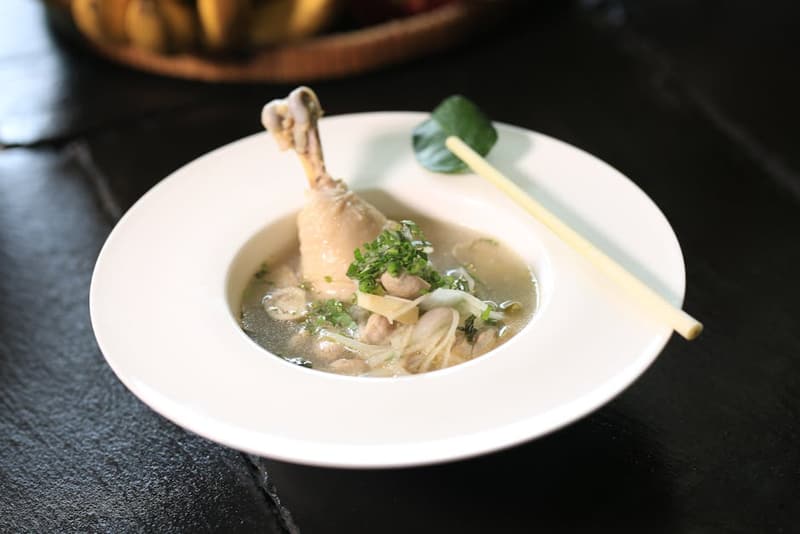
Quick answer
Out of chicken broth? The most versatile swaps:
- 1
Bouillon cube or broth base + water
1 cube or 1 tsp base dissolved in 1 cup boiling water
- 2
Vegetable broth
1:1
- 3
Beef broth
1:1, or half beef broth and half water for lighter dishes
Chicken broth is the seasoned liquid in a dish: it provides water, a background of savory chicken flavor, and a good deal of salt. USDA data put ready-to-serve chicken broth at about 920 mg of sodium per cup. A bouillon cube dissolved in a cup of water comes to about 1,150 mg, vegetable broth to about 650 mg, and beef broth sits close to chicken. Whichever swap is used, the salt level decides how much extra seasoning the recipe still needs.
Soups, stews and braises
Here broth is the main liquid, so flavor matters most. Bouillon gives the closest chicken taste at the lowest cost. Vegetable broth keeps a soup vegetarian; for more depth, simmer a few dried mushrooms or a strip of kombu in it for 10 minutes, or add soy sauce or white miso. Beef broth works in hearty stews and onion soup, but cut it with water in anything pale.
Pan sauces, gravy and reductions
A pan sauce reduces broth by half or more, and the salt concentrates with it. Regular broth or a full-strength bouillon cube can turn a reduced sauce harsh. Use low-sodium broth, or dissolve a cube in extra water, then season at the end. For deglazing, replacing up to a quarter of the broth with dry white wine adds acidity that the swaps lack; simmer it for a few minutes so the alcohol taste fades.
Rice, grains and stuffing
When broth is mostly salted cooking water, water with salt and butter is enough. A quarter teaspoon of table salt adds about 580 mg of sodium, close to two-thirds of the salt in a cup of regular broth.
When not to substitute
Chicken soup, chicken noodle soup, matzo ball soup and avgolemono are mostly broth; a swap gives a different soup. Water and salt fail completely here. Homemade stock or bouillon are the only reasonable stand-ins.
Bouillon cubes and boxed broths can contain wheat, soy, milk or celery, and a cube labelled vegetable-flavored is not automatically vegetarian; read the ingredient list.
Common mistakes
- Reducing full-salt broth or bouillon. A sauce reduced by half tastes twice as salty.
- Salting before tasting. Most swaps already contain salt; taste the dish first.
- Using beef broth in white dishes. Cream soups and chicken gravy turn brown.
- Dropping a whole cube into a small amount of liquid. It needs a full cup to dissolve evenly and taste right.
All 4 substitutes at a glance
| Substitute | Ratio | Best for | Notes |
|---|---|---|---|
| Bouillon cube or broth base + water Cooking | 1 cube or 1 tsp base dissolved in 1 cup boiling water | soups, rice and grains, casseroles, gravy | The conversion New Mexico State University Extension gives. Saltier than regular ready-to-serve broth in USDA data, and thin, with little body. Use a low-sodium cube, or a cube in 1¼ cups water, for anything that will be reduced. |
| Vegetable broth Cooking | 1:1 | vegetarian soups, risotto, braised greens, grain dishes | Sweeter from carrots and onions, sometimes colored by tomato, and lighter in savory flavor. Usually less salty than chicken broth; season to taste. A teaspoon of soy sauce or white miso per cup adds depth. |
| Beef broth Cooking | 1:1, or half beef broth and half water for lighter dishes | stews, gravy, onion soup, braised meat | Similar salt per cup but darker and stronger. In a cream soup or a chicken dish it changes the color and flavor, so dilute it with water. |
| Water + salt + butter Cooking | 1 cup water + ¼ tsp salt + 1 tsp butter | rice, couscous, stuffing, steamed vegetables | Supplies the salt and some richness, not the meaty flavor, so it suits grains and side dishes where broth plays a background role. Add a bay leaf, garlic or onion for aroma. |
Substitute calculator
How much chicken broth does your recipe call for?
- Bouillon cube or broth base + water1 bouillon cube + 1 cup boiling water
- Vegetable broth1 cup vegetable broth
- Beef broth1 cup beef broth
- Water + salt + butter1 cup water + ¼ tsp salt + 1 tsp butter
Amounts are rounded to practical kitchen measures. Swaps without a fixed ratio, or that can't be measured in the unit you picked, show their ratio instead.
Topics: chicken brothvegetariancookingsoupsstocks All cooking guides
Frequently asked questions
What does low-sodium broth mean?
Under FDA labeling rules, a low-sodium food has 140 mg or less per reference serving, and a reduced-sodium one has at least 25 percent less than the regular version. USDA figures put canned low-sodium chicken broth near 70 mg per cup, against roughly 920 mg for regular.
Is chicken stock the same as chicken broth?
Close enough to swap one-to-one. Stock is usually made with bones and unsalted, so it is richer in gelatin and sets when chilled; broth is usually made with meat and seasoned. Salt more when using unsalted stock.
Can I just use water instead of chicken broth?
In rice, stuffing and vegetable soups with plenty of aromatics, yes, with about ¼ teaspoon of salt per cup. In a pan sauce, gravy or chicken soup, the dish tastes noticeably weaker; use bouillon or a broth swap there.
Sources
- In a pinch: ingredient substitution (E-131), New Mexico State University Extension
- Soup, chicken broth, ready-to-serve (FDC ID 174536), USDA FoodData Central
- Soup, chicken broth cubes, dry (FDC ID 171563), USDA FoodData Central
- Soup, chicken broth, low sodium, canned (FDC ID 171609), USDA FoodData Central
- Soup, vegetable broth, ready to serve (FDC ID 171583), USDA FoodData Central
- Soup, beef broth or bouillon canned, ready-to-serve (FDC ID 171538), USDA FoodData Central
- Salt, table (FDC ID 173468), USDA FoodData Central
- 21 CFR 101.61: Nutrient content claims for the sodium content of foods, Legal Information Institute, Cornell Law School
More cooking substitutes

Substitute for Apple Brandy
No apple brandy? Calvados and applejack swap for each other 1:1, grape brandy or bourbon 1:1 for flambéing, and apple juice concentrate if alcohol is out.
Read
Substitute for Canned Tomatoes
Replace a 14.5-oz can of tomatoes with about 1¼ lb fresh tomatoes, peeled and chopped, or 1 cup tomato sauce plus ⅔ cup water. Double it all for a 28-oz can.
Read
Substitute for Coconut Oil
No coconut oil? Use shortening 1:1 where it must stay solid, butter or vegan butter 1:1 in most baking, and a neutral oil 1:1 when the recipe melts it.
Read
Substitute for Fresh Ginger
No fresh ginger? Use ⅛ tsp ground ginger per tablespoon grated in baking and slow dishes, frozen or jarred ginger 1:1 in stir-fries and sauces.
Read