
Cooking
Substitute for Fresh Ginger
No fresh ginger? Use ⅛ tsp ground ginger per tablespoon grated in baking and slow dishes, frozen or jarred ginger 1:1 in stir-fries and sauces.
- vegetarian
- vegan
- gluten free
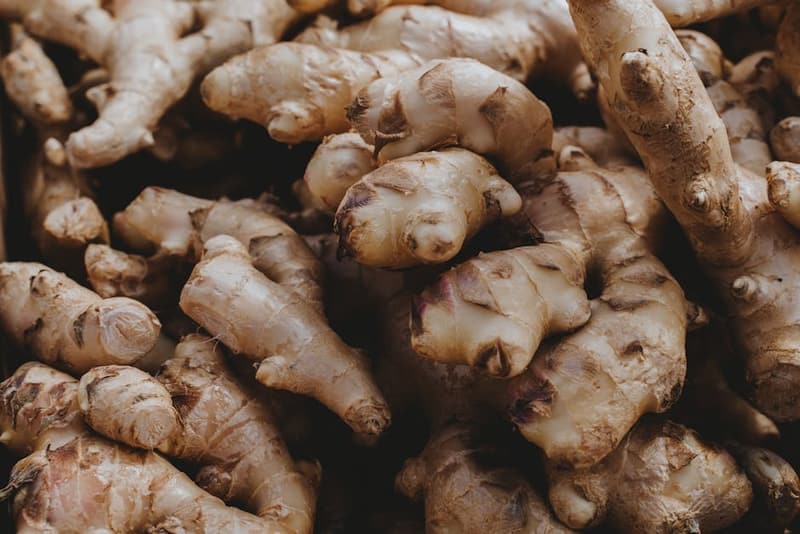
Quick answer
Out of fresh ginger? The most versatile swaps:
- 1
Frozen fresh ginger
1:1, grated from frozen
- 2
Jarred or tube ginger paste
1:1
- 3
Ground ginger
⅛ tsp per 1 tbsp grated fresh
Fresh ginger gives three things at once: a clean, peppery heat, a lemony aroma that fades quickly with cooking, and juicy fibers that dissolve into sauces when grated finely. Ground ginger keeps the heat but loses the aroma and juice, while frozen and jarred ginger keep most of all three. The right swap depends on how much of that freshness the dish depends on.
Cooking
In stir-fries, dumpling fillings, noodle sauces and quick curries, the aroma is the reason ginger is there, so use frozen or jarred ginger. Add it with the garlic in the first 30 seconds of a stir-fry, and add another half teaspoon near the end to restore the top note that the cooking takes away.
For soups, braises, dals and slow curries, ground ginger works because long simmering flattens fresh ginger’s brightness anyway. Stir it into the oil with the other ground spices for a few seconds before adding liquid; blooming in fat removes its dusty raw taste. A squeeze of lime at the end puts back some of the citrus quality.
Baking
In gingerbread, molasses cookies and spice cakes, most recipes already call for ground ginger, so swapping in the other direction is easy. Fresh ginger in a cake adds moisture too; with ground ginger instead, the crumb is slightly drier, though the change from a tablespoon or two is small. Crystallized ginger suits scones and crumbles, where bits of chewy, spicy-sweet ginger are welcome.
When not to substitute
Ginger tea, ginger shots, pickled sushi ginger, Chinese steamed fish with ginger and scallion, and fresh ginger-scallion sauce all depend on raw or barely cooked root. Ground ginger makes them muddy and gritty, and paste carries the taste of its preservatives. Buy fresh or use frozen.
Turmeric and galangal are related rhizomes, but neither tastes like ginger. They are separate ingredients, not swaps.
Common mistakes
- Using ground ginger at the fresh-ginger volume. A tablespoon of ground ginger is many times too much and makes a dish bitter and hot.
- Adding ground ginger to a cold dressing. It stays gritty and raw-tasting; whisk it with a little warm water first, or choose frozen ginger.
- Chopping instead of grating. Ginger chunks stay fibrous in a fast stir-fry; grate or mince very finely.
- Forgetting the sugar in crystallized ginger. Unrinsed, it adds noticeable sweetness to savory dishes.
All 4 substitutes at a glance
| Substitute | Ratio | Best for | Notes |
|---|---|---|---|
| Frozen fresh ginger CookingRaw & finishingBaking | 1:1, grated from frozen | stir-fries, dressings, marinades, smoothies | Same root, so flavor and heat barely change. Freezing softens the fibers: a fine grater turns a frozen knob into fluffy snow with no stringy bits. |
| Jarred or tube ginger paste Cooking | 1:1 | curries, stir-fries, marinades, noodle sauces | Ground root with oil, salt or acid added to keep it, which dulls the fresh top note. Check the label for salt and reduce soy sauce or salt slightly if it is listed high. |
| Ground ginger BakingCooking | ⅛ tsp per 1 tbsp grated fresh | gingerbread, spice cakes, braises, curries | Drying removes the water and turns the flavor warm, earthy and hotter, with none of the lemony freshness. Raise to ¼ tsp in long-simmered dishes or baking if the spice should stand out. |
| Crystallized (candied) ginger Baking | 1 tbsp finely chopped, rinsed, per 1 tbsp grated fresh | scones, muffins, fruit crumbles, cookies | Cooked in syrup, so it is milder and sweet. Rinsing removes the sugar coating; reduce the recipe's sugar by about 1 tsp per tablespoon used. It adds chewy pieces rather than dissolving. |
Substitute calculator
How much fresh ginger does your recipe call for?
- Frozen fresh ginger1 tbsp grated frozen ginger
- Jarred or tube ginger paste1 tbsp ginger paste
- Ground ginger⅛ tsp ground ginger
- Crystallized (candied) ginger1 tbsp crystallized ginger, rinsed and finely chopped
Amounts are rounded to practical kitchen measures. Swaps without a fixed ratio, or that can't be measured in the unit you picked, show their ratio instead.
Frequently asked questions
How much ground ginger equals fresh ginger?
Mississippi State and New Mexico State University extension charts list ⅛ teaspoon of ground ginger for 1 tablespoon of raw ginger. Many cooks go up to ¼ teaspoon in gingerbread or curry, where a stronger, warmer ginger flavor is welcome.
Do I need to peel ginger?
Young ginger with thin skin doesn't need peeling, especially if it will be grated. For older, papery roots, scrape the skin off with the edge of a teaspoon, which follows the knobs and wastes less than a peeler.
Can I use galangal instead of ginger?
Only where a citrusy, piney flavor fits, such as Thai soups and curry pastes. Galangal is harder, sharper and more medicinal; it doesn't taste like ginger in a stir-fry or cake. Use about two thirds as much.
How should I store fresh ginger?
Unpeeled ginger keeps a few weeks in the fridge in an open paper bag; sealed in plastic it tends to mold. For longer storage, freeze the whole root and grate it straight from the freezer as needed.
Sources
- Ingredient Substitutions and Equivalents, Mississippi State University Extension
- In a Pinch Ingredient Substitution (E-131), New Mexico State University Cooperative Extension
More cooking substitutes
Substitute for Fresh Cilantro
No cilantro, or can't stand it? Use flat-leaf parsley with lime zest 1:1 in salsas, culantro at half, Thai basil in curries. Dried cilantro barely works.
Read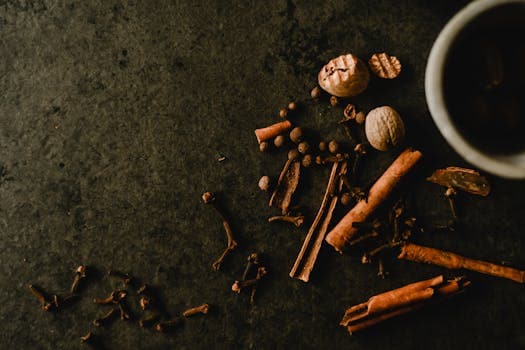
Substitute for Allspice
No allspice? Mix ½ tsp cinnamon with ½ tsp ground cloves for each teaspoon, soften it with nutmeg for cakes, or use cloves alone at a quarter in savory rubs.
Read
Substitute for Apple Brandy
No apple brandy? Calvados and applejack swap for each other 1:1, grape brandy or bourbon 1:1 for flambéing, and apple juice concentrate if alcohol is out.
Read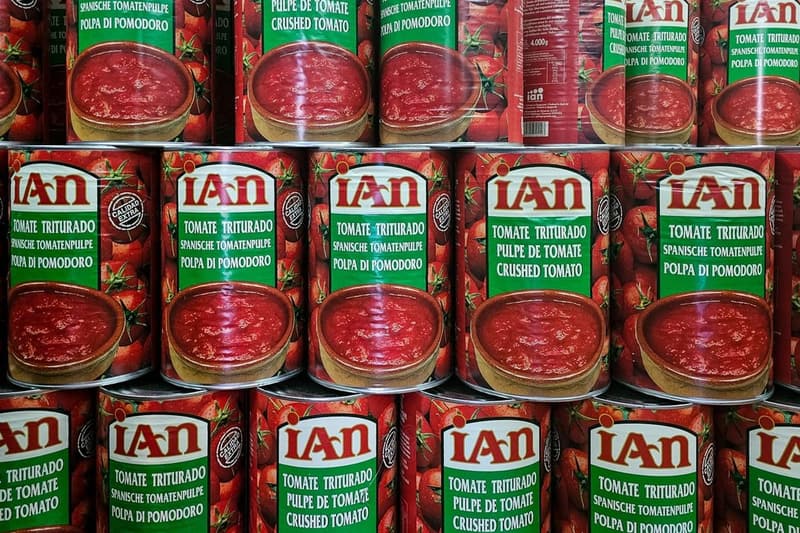
Substitute for Canned Tomatoes
Replace a 14.5-oz can of tomatoes with about 1¼ lb fresh tomatoes, peeled and chopped, or 1 cup tomato sauce plus ⅔ cup water. Double it all for a 28-oz can.
Read