
Cooking
Substitute for Vermouth
Out of vermouth? Cook with dry white wine or fino sherry 1:1 in place of dry vermouth, use ruby port for sweet, and Lillet Blanc in cocktails that need dry.
- vegetarian
- vegan
- gluten free
Quick answer
Out of vermouth? The most versatile swaps:
- 1
Dry white wine (for dry vermouth)
1:1
- 2
Fino or manzanilla sherry (for dry vermouth)
1:1
- 3
Lillet Blanc or Cocchi Americano
1:1
Vermouth is wine that has been fortified and flavored. US labeling rules class it as an aperitif wine: made from grape wine with added brandy or alcohol, flavored with herbs and other aromatics, and at least 15% alcohol by volume. That gives it three features a substitute can match: wine’s acidity, extra strength, and a herbal, slightly bitter edge. Dry and sweet vermouth need different swaps.
Cooking with dry vermouth
In pan sauces, beurre blanc, risotto, mussels and chicken dishes, dry vermouth works like a sharper, more aromatic white wine. Dry white wine at the same amount is the obvious swap; choose an unoaked one such as Pinot Grigio or Sauvignon Blanc. Fino sherry adds a nutty depth that suits mushrooms and shellfish. Reduce either as the recipe directs, tasting before you salt, since sherry adds a faint brininess.
For an alcohol-free version, stock with lemon juice covers the liquid and acid. A bay leaf, a few fennel seeds or a pinch of dried thyme in the pan stand in for the botanicals.
Cooking with sweet vermouth
Sweet vermouth appears in braised pork, pan sauces for duck and some fruit desserts. Ruby port is the closest match in color and sweetness. A dry red wine with a little sugar also works in braises.
Cocktails
In a drink, vermouth is tasted undiluted, so the swap changes the cocktail. For a Martini, Lillet Blanc or Cocchi Americano make a softer, fruitier drink; fino sherry makes a drier, savory one. For a Manhattan or Negroni, ruby port with a dash of aromatic bitters is the closest stand-in. Measure slightly less of the substitute and taste.
When not to substitute
A Negroni, Americano or a vermouth spritz is built on vermouth’s bitterness and botanicals; port or wine makes a different drink. When cooking for someone avoiding alcohol, use the stock swap rather than wine or sherry, since simmering does not remove all the alcohol.
Common mistakes
- Using sweet vermouth where dry is meant. Recipes that just say “vermouth” in a savory sauce mean dry; sweet vermouth turns a fish sauce brown and sugary.
- Cooking with a bottle open for months at room temperature. Oxidized vermouth tastes flat and sherry-like.
- Choosing an oaky white wine. Buttery, oaked wines turn bitter when reduced.
- Replacing vermouth with gin in a Martini. Without the wine, the drink is just cold gin.
All 5 substitutes at a glance
| Substitute | Ratio | Best for | Notes |
|---|---|---|---|
| Dry white wine (for dry vermouth) Cooking | 1:1 | pan sauces, risotto, steamed mussels, chicken fricassee | Same grape base and similar acidity, but lower in alcohol and without the herbs. A strip of lemon peel or a sprig of thyme in the pan makes up some of the botanical note. |
| Fino or manzanilla sherry (for dry vermouth) CookingRaw & finishing | 1:1 | mushroom sauces, shellfish, soups, Martini variations | Also fortified, so the strength is similar and an open bottle keeps in the fridge. The flavor is nutty and slightly salty rather than herbal; good with mushrooms and seafood. |
| Lillet Blanc or Cocchi Americano Raw & finishing | 1:1 | Martinis, spritzes, highballs, Vesper | Wine-based aperitifs with citrus and quinine bitterness. Sweeter and fruitier than dry vermouth, so a Martini made with them is softer; in a two-ingredient drink, use a little less. |
| Ruby port (for sweet vermouth) CookingRaw & finishing | 1:1 in cooking, ¾ in cocktails | braised pork, pan sauces for duck, Manhattan, fruit compote | Sweet, red and fortified like sweet vermouth, but fruitier with no bitter herbs. In cocktails add a dash of aromatic bitters to replace them; in sauces, a pinch of orange zest helps. |
| Stock + lemon juice (alcohol-free) Cooking | 1 cup stock + 2 tsp lemon juice for 1 cup dry vermouth | deglazing, fish sauces, risotto, braised fennel | Stock carries the savory liquid and lemon brings back the tartness. Add a bay leaf or a few fennel seeds to the pan to hint at vermouth's herbs. |
Substitute calculator
How much vermouth does your recipe call for?
- Dry white wine (for dry vermouth)1 cup dry white wine
- Fino or manzanilla sherry (for dry vermouth)1 cup fino sherry
- Lillet Blanc or Cocchi Americano1 cup Lillet Blanc
- Ruby port (for sweet vermouth)1 cup ruby port
- Stock + lemon juice (alcohol-free)1 cup chicken or vegetable stock + 2 tsp lemon juice
Amounts are rounded to practical kitchen measures. Swaps without a fixed ratio, or that can't be measured in the unit you picked, show their ratio instead.
Topics: vermouthwinecookingcocktailsfortified All cooking guides
Frequently asked questions
Can I use dry vermouth instead of white wine?
Yes, one-for-one in sauces, risotto and braises. Because it is fortified, an opened bottle lasts weeks in the fridge, which makes it a practical stand-by for cooks who rarely open wine. Its herbal note is stronger, so taste delicate sauces before adding all of it.
What is the difference between dry and sweet vermouth?
Dry (often labelled extra dry or blanc sec) is pale, crisp and herbal; it goes in Martinis and in cooking as a white wine stand-in. Sweet (rosso) is red-brown, sweeter and spiced; it goes in Manhattans, Negronis and braises.
Does vermouth go bad once opened?
It does not spoil quickly, but it oxidizes like wine and loses its fresh aroma over a few weeks at room temperature. Keep opened bottles in the fridge with the cap tight, and use old bottles for cooking rather than Martinis.
Can I use red wine instead of sweet vermouth in cooking?
In a braise, yes, with a teaspoon of sugar or honey per cup to stand in for vermouth's sweetness. The sauce will be more tannic and less aromatic. In cocktails, red wine is not a workable swap.
Sources
- 27 CFR § 4.21 – The standards of identity (aperitif wine and vermouth), Legal Information Institute, Cornell Law School
More cooking substitutes
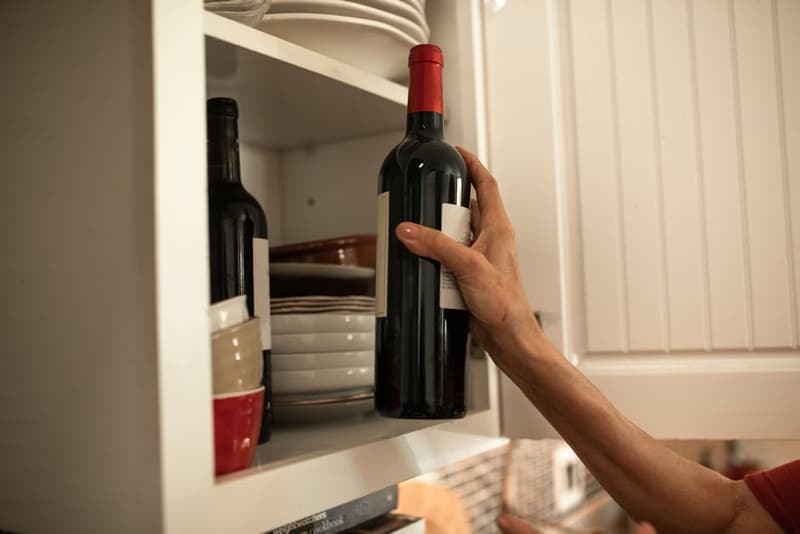
Substitute for Wine in Cooking
Cooking without wine? Use stock with 1 tbsp wine vinegar per cup, non-alcoholic wine 1:1, or grape, cranberry or apple juice sharpened with a little vinegar.
Read
Substitute for Apple Brandy
No apple brandy? Calvados and applejack swap for each other 1:1, grape brandy or bourbon 1:1 for flambéing, and apple juice concentrate if alcohol is out.
Read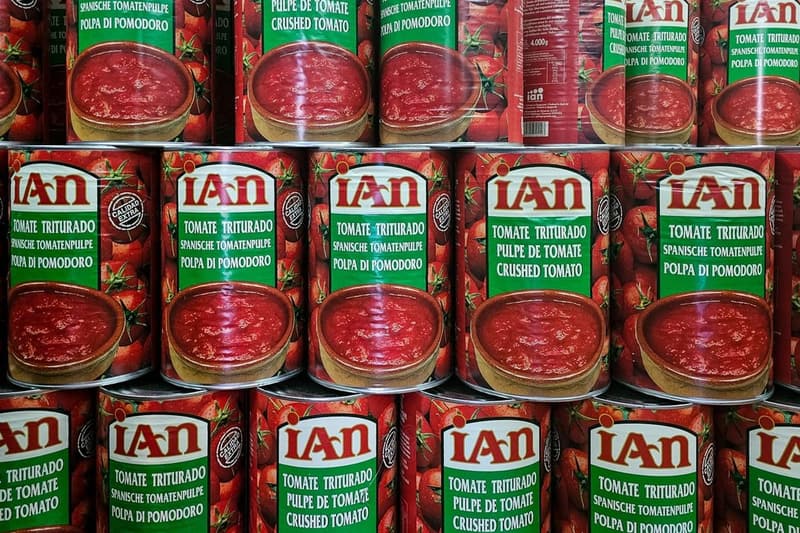
Substitute for Canned Tomatoes
Replace a 14.5-oz can of tomatoes with about 1¼ lb fresh tomatoes, peeled and chopped, or 1 cup tomato sauce plus ⅔ cup water. Double it all for a 28-oz can.
Read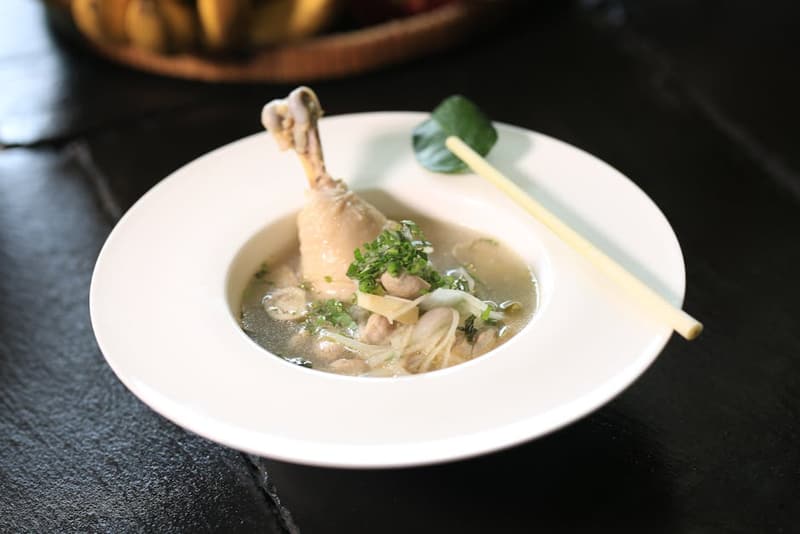
Substitute for Chicken Broth
Dissolve 1 bouillon cube or 1 tsp broth base in 1 cup boiling water per cup of chicken broth, or use vegetable broth 1:1. Watch the salt when reducing.
Read