
Cooking
Substitute for Red Curry Paste
No red curry paste? Panang or yellow paste swaps 1:1; or per tbsp, mix 1 tsp sambal oelek with garlic, lemongrass, coriander and cumin, fried in oil.
- vegetarian
- vegan
- gluten free
Quick answer
Out of red curry paste? The most versatile swaps:
- 1
Panang or yellow curry paste
1:1
- 2
Green curry paste
1:1, or start with ⅔ if the brand is fiery
- 3
Sambal oelek + aromatics
1 tsp sambal oelek + 1 tsp garlic + 1 tsp lemongrass + ¼ tsp each coriander and cumin for 1 tbsp
Thai red curry paste is a concentrated base of dried red chilies, shallot, garlic, lemongrass, galangal and spices, usually with shrimp paste. Fried in oil or coconut cream, it gives a curry its heat, color and aroma all at once. The best substitutes either share that base (other Thai pastes) or rebuild it from a chili paste plus fresh aromatics.
Coconut curries and soups
For a red curry with chicken, tofu or vegetables, another Thai curry paste is the easiest swap at the same amount. Panang gives a richer, nutty result; yellow is milder and more turmeric-forward; green is fresher and more herbal. The method stays the same: fry the paste in coconut cream before adding liquid.
Without any Thai paste, the sambal oelek and aromatics mix comes closest. Fry the garlic and lemongrass first, then the ground spices, then the sambal, for about a minute in total. Add a strip of lime zest or a torn makrut lime leaf with the coconut milk, and season at the end with fish sauce or salt and a little palm or brown sugar.
Stir-fries, fried rice and marinades
Quick dishes with little simmering time favor nam prik pao, whose ingredients are already cooked, or the sambal mixture. Raw curry powder in a short stir-fry tastes dusty; bloom it in hot oil for 30 seconds before adding anything else.
When not to substitute
Dishes named for the paste, such as red curry with duck, Thai fish cakes (tod mun) and red curry noodles, depend on its specific roasted-chili and galangal flavor. Another Thai paste gives a good dish, but a different one, and an Indian curry powder makes a different cuisine.
For anyone with a shellfish allergy, check the original paste’s label as well: shrimp paste is common, and the substitutes can be made without it.
Common mistakes
- Replacing curry paste with sambal oelek tablespoon for tablespoon. Sambal is nearly pure chili, so the curry becomes fiercely hot and sour with no aroma.
- Adding paste straight into coconut milk. Without frying first, the raw garlic and spice taste stays harsh.
- Ignoring salt. Many jarred pastes are salty, and substitutes are not; season with fish sauce or salt at the end.
- Using Indian curry powder without a Thai finish. Lime, fish sauce or soy sauce and fresh herbs are what make it taste Thai.
All 5 substitutes at a glance
| Substitute | Ratio | Best for | Notes |
|---|---|---|---|
| Panang or yellow curry paste Cooking | 1:1 | coconut curries, soups, stir-fries, satay-style sauces | Built on the same dried-chili, lemongrass and galangal base. Panang is richer and often contains peanuts; yellow has turmeric and dry spices and is milder. Both turn a red curry slightly sweeter and change its color. |
| Green curry paste Cooking | 1:1, or start with ⅔ if the brand is fiery | coconut curries, fish cakes, soups, noodle dishes | Uses fresh green chilies and herbs instead of dried red chilies, so it tastes brighter and more herbal, without the roasted depth. Heat varies widely between brands; taste a little first. |
| Sambal oelek + aromatics Cooking | 1 tsp sambal oelek + 1 tsp garlic + 1 tsp lemongrass + ¼ tsp each coriander and cumin for 1 tbsp | coconut curries, soups, marinades, stir-fries | Sambal oelek is almost all chili, with vinegar and salt, so a teaspoon carries roughly the heat of a tablespoon of curry paste; the aromatics replace what the curry paste would add. Its vinegar makes the curry slightly sharper; a pinch of sugar balances it. |
| Nam prik pao (Thai chili jam) Cooking | 1:1, cutting the recipe's sugar | tom yum, stir-fries, fried rice, dipping sauces | Roasted chili, shallot and garlic cooked in oil with sugar and tamarind: smoky, sweet and milder than curry paste, with little lemongrass. Reduce the palm sugar in the recipe and add a strip of lime zest for the missing citrus note. |
| Curry powder + cayenne Cooking | 1 tsp curry powder + ¼ tsp cayenne + 1 tsp garlic for 1 tbsp | weeknight curries, soups, roast vegetables | Dry powder is more concentrated than a wet paste full of fresh aromatics, so a teaspoon is enough. The turmeric and cumin make it taste Indian rather than Thai; lime juice and fish sauce or soy sauce at the end pull it back toward Thai. |
Substitute calculator
How much red curry paste does your recipe call for?
- Panang or yellow curry paste1 tbsp panang or yellow curry paste
- Green curry paste1 tbsp green curry paste
- Sambal oelek + aromatics1 tsp sambal oelek + 1 tsp minced garlic + 1 tsp minced lemongrass (or ½ tsp grated ginger) + ¼ tsp ground coriander + ¼ tsp ground cumin
- Nam prik pao (Thai chili jam)1 tbsp nam prik pao
- Curry powder + cayenne1 tsp curry powder + ¼ tsp cayenne + 1 tsp minced garlic
Amounts are rounded to practical kitchen measures. Swaps without a fixed ratio, or that can't be measured in the unit you picked, show their ratio instead.
Frequently asked questions
Is red curry paste vegan?
Often not. Traditional Thai red curry paste includes fermented shrimp paste (kapi), and many Thai-made jars contain it. Some brands are vegan; read the label. The substitutes above contain no shrimp unless fish sauce is added.
How do I use red curry paste properly?
Fry it in oil or in the thick cream skimmed from the top of a can of coconut milk for a few minutes, until it smells fragrant and the oil turns red. Then add the rest of the coconut milk, stock and other ingredients.
Why is my red curry not spicy enough?
Supermarket pastes vary from mild to very hot, and a mild one gives little heat at the stated amount. Add more paste for flavor and heat together, or fresh chilies or chili flakes for heat alone.
How do I make red curry paste at home?
Pound or blend soaked dried red chilies with shallots, garlic, lemongrass, galangal, lime zest, coriander root, toasted coriander and cumin seeds, white pepper, salt and shrimp paste. It keeps for about a week in the refrigerator and freezes in small portions.
More cooking substitutes
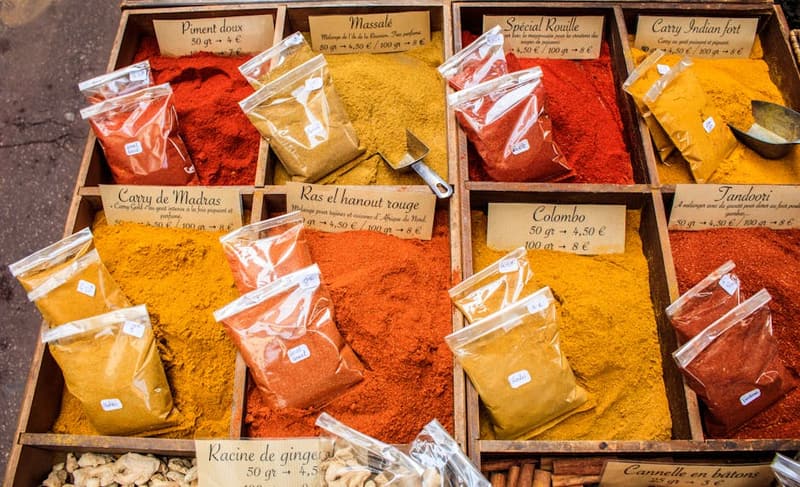
Substitute for Harissa
For 1 tbsp harissa, stir 2 tsp tomato paste and 1 tsp olive oil with cayenne, cumin and coriander, or use 2 tsp sambal oelek spiked with cumin and caraway.
Read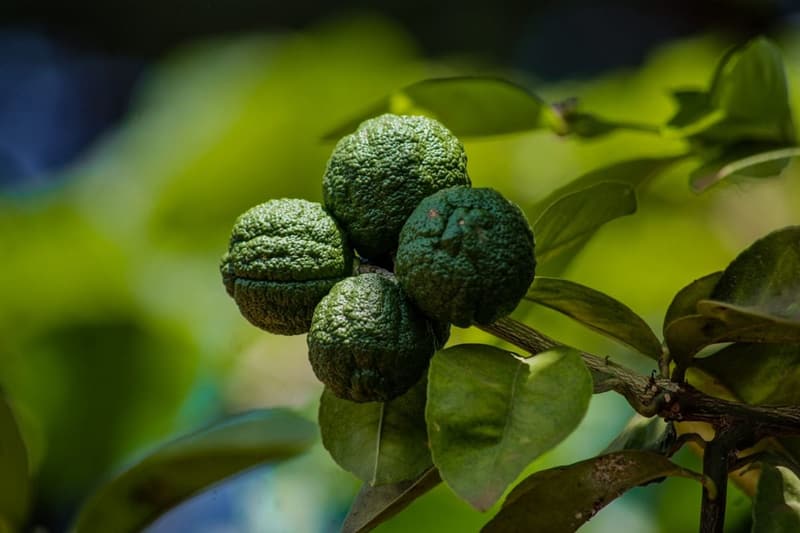
Substitute for Kaffir Lime Leaves
No kaffir (makrut) lime leaves? Frozen leaves swap 1:1 and dried ones at two per fresh leaf; otherwise use ½ tsp lime zest per leaf, plus a bay leaf in long simmers.
Read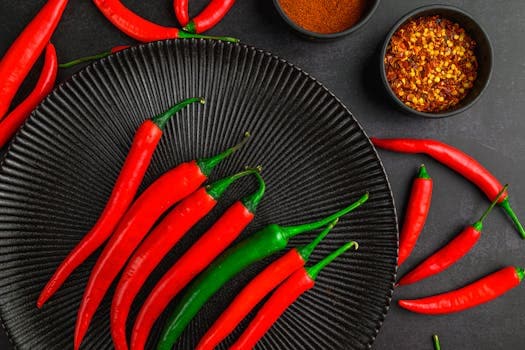
Substitute for Cayenne Pepper
No cayenne? Grind red pepper flakes and use the same amount, double the hot paprika, or add hot sauce to taste. Chili powder is a mild blend, not a swap.
Read
Substitute for Chipotle Peppers
No chipotles in adobo? Use ½ tsp ground chipotle plus a little tomato paste per pepper, a rehydrated dried chipotle, or smoked paprika with cayenne.
Read