
Cooking
Substitute for Cayenne Pepper
No cayenne? Grind red pepper flakes and use the same amount, double the hot paprika, or add hot sauce to taste. Chili powder is a mild blend, not a swap.
- vegetarian
- vegan
- gluten free
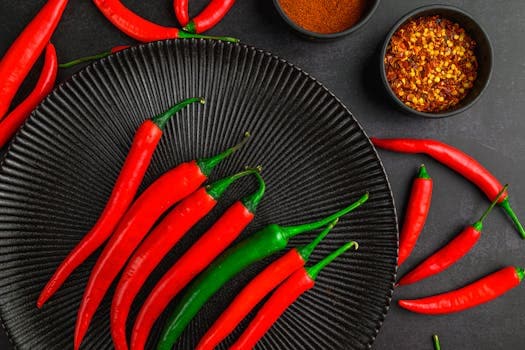
Quick answer
Out of cayenne pepper? The most versatile swaps:
- 1
Red pepper flakes, ground
1:1 once ground; taste before adding more
- 2
Hot paprika
2:1 (½ tsp for ¼ tsp cayenne)
- 3
Hot sauce
To taste, a few dashes at a time
Cayenne is used for heat. It has a clean, slightly fruity chile flavor, but in the small amounts most recipes call for, its job is to add pungency without changing the dish’s other flavors. A substitute should do the same: add heat, with as little extra flavor, smoke, salt or liquid as possible. Recipes usually use only a pinch to half a teaspoon, so measure the substitute in small steps and taste.
Sauces, soups and stews
Ground red pepper flakes are the most direct swap. Grind them first so they disperse evenly; whole flakes leave pockets of heat. Hot sauce suits liquid dishes and goes in at the end, but its vinegar shows in delicate cream sauces. In braises and chili, chipotle powder adds heat plus smoke.
Rubs, eggs and dry seasonings
Dry rubs, deviled eggs, spiced nuts and seasoned flour need a dry powder. Hot paprika at twice the amount gives gentler heat and more color, which suits eggs and chicken. Gochugaru, also at roughly double, works in marinades and Korean or Southeast Asian-style dishes. Liquid hot sauce would make a rub clump.
Baking
Cheese straws, gougères, cornbread and Mexican hot chocolate use a pinch of cayenne for a warm finish. Finely ground red pepper flakes are the best match; paprika is too mild to notice in such small amounts.
When not to substitute
Do not replace cayenne with US chili powder. The USDA spice specification lists cumin, oregano, salt and garlic powder alongside the ground chili, so the swap adds flavors the recipe didn’t ask for while barely adding heat. In Louisiana dishes such as étouffée or crawfish boil, where cayenne is the main heat, red pepper flakes or a Louisiana-style hot sauce fit better than smoky or Korean chiles.
Common mistakes
- Doubling chipotle for more heat. The smoke grows faster than the heat and takes over the dish.
- Using whole flakes in a smooth sauce. They stay visible and give uneven bites of heat.
- Pouring hot sauce into a rub or batter. The liquid and vinegar change the texture.
- Swapping chili powder for cayenne. The dish gets earthier and saltier but no hotter.
All 5 substitutes at a glance
| Substitute | Ratio | Best for | Notes |
|---|---|---|---|
| Red pepper flakes, ground CookingRaw & finishing | 1:1 once ground; taste before adding more | sauces, soups, spice rubs, roast vegetables | Crushed red pepper is dried hot chile, seeds and all, often from cayenne-type peppers, so the heat per measure is broadly similar. Unground, the flakes weigh less per spoon and heat unevenly; grind them in a mortar first. |
| Hot paprika CookingRaw & finishing | 2:1 (½ tsp for ¼ tsp cayenne) | deviled eggs, stews, dry rubs, chicken | Milder and sweeter than cayenne, so it takes more to reach similar heat, and it adds more red color and fruity pepper flavor. A starting ratio; hot paprikas vary by brand. |
| Hot sauce CookingRaw & finishing | To taste, a few dashes at a time | soups, braises, dressings, mac and cheese | Brings vinegar and salt with the heat, and heat varies too much between bottles for a fixed ratio. Add it near the end of cooking and taste after each addition. Avoid it in dry rubs and baking, where its liquid matters. |
| Gochugaru Cooking | 2:1 (½ tsp for ¼ tsp cayenne) | stir-fries, stews, marinades, kimchi-style pickles | Korean chili flakes, generally less hot than cayenne and fruitier, with a faint smokiness. More volume is needed for the same heat, which also adds more red color. |
| Chipotle powder Cooking | 1:1, starting with less | chili, barbecue sauce, black beans, roast sweet potatoes | Smoke-dried jalapeño: real heat plus strong smoke. The smoke changes the dish, so use it where that suits, and start with half the amount since jars vary. |
Substitute calculator
How much cayenne pepper does your recipe call for?
- Red pepper flakes, ground¼ tsp ground red pepper flakes
- Hot paprika½ tsp hot paprika
- Hot sauceTo taste, a few dashes at a time
- Gochugaru½ tsp gochugaru
- Chipotle powder¼ tsp chipotle powder
Amounts are rounded to practical kitchen measures. Swaps without a fixed ratio, or that can't be measured in the unit you picked, show their ratio instead.
Frequently asked questions
Is cayenne the same as chili powder?
No. Cayenne is ground hot chile and nothing else. American chili powder is a mild blend of ground chiles with cumin, oregano, garlic and usually salt, so replacing cayenne with it adds earthy flavors but little heat, and replacing chili powder with cayenne makes food far too hot.
Is cayenne the same as 'ground red pepper'?
On many US labels, yes; the terms are used for the same hot ground chile. In older or British recipes, 'red pepper' can also mean a sweet bell pepper, so read the context.
How do I reduce heat if I added too much cayenne?
Increase the volume of the dish with more of the base (stock, tomatoes, beans), or serve it with dairy such as sour cream or yogurt. A little sugar or acid can make heat seem less sharp, though neither removes it.
Can I use fresh chiles instead?
Yes, in cooked sauces and stir-fries. Heat varies so much between individual chiles that no ratio is reliable; mince a small piece, cook it in, taste, then add more. The seeds and pale ribs hold much of the heat.
Sources
- Commercial Item Description A-A-20001C: Spices and Spice Blends, USDA Agricultural Marketing Service
More cooking substitutes
Substitute for Harissa
For 1 tbsp harissa, stir 2 tsp tomato paste and 1 tsp olive oil with cayenne, cumin and coriander, or use 2 tsp sambal oelek spiked with cumin and caraway.
Read
Substitute for Chili Powder
No chili powder? Mix 2 tsp ancho or paprika, ½ tsp cumin, ¼ tsp each oregano and garlic powder per tablespoon. Never swap in cayenne one-for-one.
Read
Substitute for Chipotle Peppers
No chipotles in adobo? Use ½ tsp ground chipotle plus a little tomato paste per pepper, a rehydrated dried chipotle, or smoked paprika with cayenne.
Read
Substitute for Green Chiles
No canned green chiles? Roast and peel Anaheim or poblano peppers and use them 1:1, or mix green bell pepper with a little minced jalapeño for the heat.
Read