
Cooking
Substitute for Green Chiles
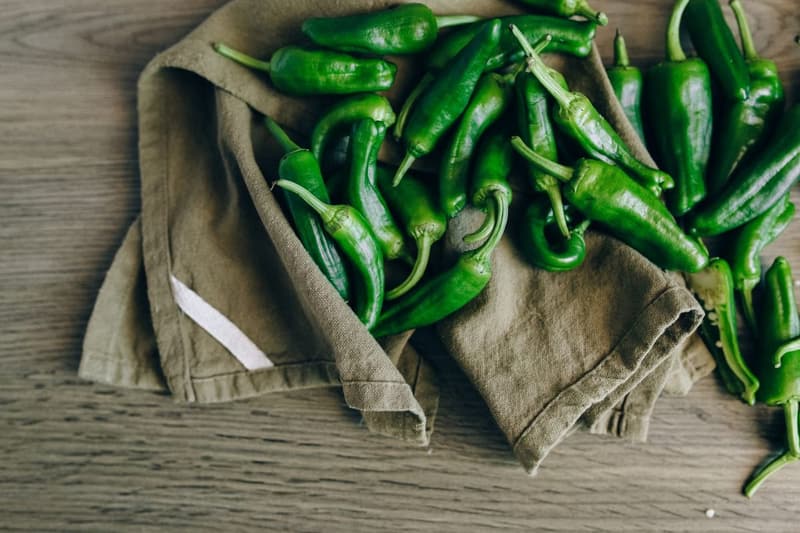
No canned green chiles? Roast and peel Anaheim or poblano peppers and use them 1:1, or mix green bell pepper with a little minced jalapeño for the heat.
- vegetarian
- vegan
- gluten free
Quick answer
Out of green chiles? The most versatile swaps:
- 1
Roasted Anaheim or New Mexico chiles
1:1 by volume, roasted, peeled and chopped
- 2
Frozen roasted green chile
1:1 by volume, thawed and drained
- 3
Roasted poblano
1:1 by volume, roasted, peeled and chopped
In most recipes, “green chiles” means the canned, roasted, chopped mild chiles of Southwestern and Tex-Mex cooking. They add a soft texture, a smoky vegetable flavor and gentle heat rather than burn. A good substitute has to match all three: something roasted and soft, green-tasting, and only mildly hot.
Cooking
For enchiladas, green chile stew, casseroles and queso, roasted Anaheim or New Mexico chiles are the direct replacement. Roast them under the broiler or on a gas burner until blistered, steam them covered, then peel and chop. New Mexico State University Extension recommends gloves or a thin coating of fat on your hands, since chile can burn the skin and eyes. Frozen roasted chile saves those steps.
Poblanos suit cheese-heavy dishes and corn soups, where their richer flavor stands up to dairy. For chili, cornbread and baked dips, the bell pepper and jalapeño mix gives both bulk and heat.
Canned chiles are already soft and slightly acidic. Fresh substitutes need a few extra minutes of cooking, and a teaspoon of lime juice or vinegar per cup restores the tang in a casserole.
Raw dishes
In salsa verde, pico-style salsas and cold dips, roasted Anaheim or frozen chile gives the expected texture. Raw diced jalapeño or serrano is crunchier and much hotter, which changes the dish more than in cooked recipes.
When not to substitute
New Mexican green chile stew and green chile cheeseburgers are defined by roasted New Mexico chiles. Poblanos or bell peppers make a decent dish, but not that dish. For dried green chile powder or flakes, there is no fresh-to-dried ratio that matches the texture, so use them only to season.
Common mistakes
- Swapping in raw bell pepper unroasted. It stays crunchy and tastes grassy instead of smoky.
- Using serranos at the same volume. The dish becomes far hotter than intended.
- Skipping the peeling. Charred skins curl into tough, papery strips in sauces.
- Not draining thawed frozen chile. The extra water thins enchilada sauce and soaks casseroles.
- Rubbing your eyes after handling chiles. Wash your hands with soap or wear gloves.
All 5 substitutes at a glance
| Substitute | Ratio | Best for | Notes |
|---|---|---|---|
| Roasted Anaheim or New Mexico chiles CookingRaw & finishing | 1:1 by volume, roasted, peeled and chopped | enchiladas, green chile stew, casseroles, queso | The same type of pepper most canned green chiles are made from, so flavor and heat match. Fresh-roasted ones are smokier and firmer, and lack the canned version's slight sourness. |
| Frozen roasted green chile CookingRaw & finishing | 1:1 by volume, thawed and drained | stews, burgers, breakfast burritos, salsa | Sold as Hatch or New Mexico chile, usually labeled mild, medium or hot. Thawing releases water; drain it or the casserole turns soupy. |
| Roasted poblano Cooking | 1:1 by volume, roasted, peeled and chopped | rajas, chile relleno casserole, corn chowder, quesadillas | Thicker-walled, darker and earthier, with a heat that varies from mild to noticeable. Its flavor is richer than a canned chile; a squeeze of lime brightens it. |
| Green bell pepper plus jalapeño CookingRaw & finishing | 3 tbsp diced bell pepper plus 1 tbsp minced jalapeño per ¼ cup | salsa, chili, cornbread, dips | Bell pepper supplies the green, vegetal bulk without heat; the jalapeño adds the bite. Jalapeño is sharper and grassier, so seed it for less heat, or add more for a hotter dish. |
| Roasted green bell pepper (no heat) Cooking | 1:1 by volume, roasted, peeled and chopped | mild casseroles, kids' dishes, dips | Matches the soft, roasted texture but none of the heat. Add a pinch of ground cumin or a drop of hot sauce if the dish tastes flat. |
Substitute calculator
How much green chiles does your recipe call for?
- Roasted Anaheim or New Mexico chiles¼ cup roasted, peeled, chopped Anaheim chile
- Frozen roasted green chile¼ cup frozen roasted green chile, chopped
- Roasted poblano¼ cup roasted, peeled, chopped poblano
- Green bell pepper plus jalapeño3 tbsp diced green bell pepper + 1 tbsp minced jalapeño
- Roasted green bell pepper (no heat)¼ cup roasted green bell pepper, chopped
Amounts are rounded to practical kitchen measures. Swaps without a fixed ratio, or that can't be measured in the unit you picked, show their ratio instead.
Topics: green chilespepperssouthwesternmildheat All cooking guides
Frequently asked questions
What peppers are in canned green chiles?
Most are mild long green chiles of the Anaheim or New Mexico type, roasted, peeled and packed with a little acid and salt. That is why roasted Anaheims are the closest home-made match.
How do I roast and peel green chiles?
New Mexico State University Extension describes broiling, grilling or roasting the chiles over a burner for 6 to 8 minutes, turning often, until the skin blisters. Steam them in a covered bowl, then pull off the skin once cool.
Can I use jalapeños instead of green chiles one for one?
Only if you want a much hotter dish. Jalapeños are smaller, thicker and sharper. Mix them with bell pepper, or use roughly a quarter of the volume and make up the rest with a milder pepper.
Can I can my own green chiles?
Chiles are a low-acid vegetable, and the National Center for Home Food Preservation gives only pressure-canner instructions for plain peppers, including chiles. Freezing roasted chiles is easier and needs no special equipment.
Sources
- Processing Fresh Chile Peppers (E-324), New Mexico State University Cooperative Extension
- Peppers (canning), National Center for Home Food Preservation
More cooking substitutes
Substitute for Cayenne Pepper
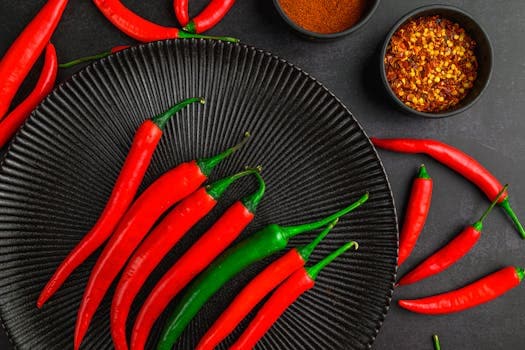
No cayenne? Grind red pepper flakes and use the same amount, double the hot paprika, or add hot sauce to taste. Chili powder is a mild blend, not a swap.
Read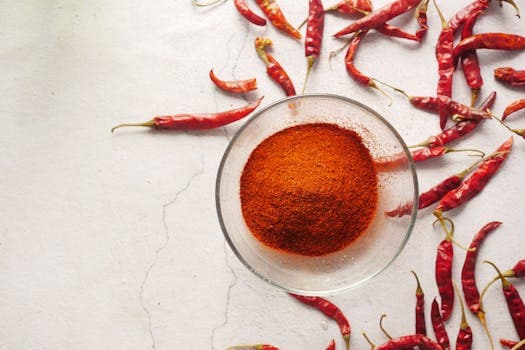
Substitute for Chili Powder
No chili powder? Mix 2 tsp ancho or paprika, ½ tsp cumin, ¼ tsp each oregano and garlic powder per tablespoon. Never swap in cayenne one-for-one.
Read
Substitute for Chipotle Peppers
No chipotles in adobo? Use ½ tsp ground chipotle plus a little tomato paste per pepper, a rehydrated dried chipotle, or smoked paprika with cayenne.
Read
Substitute for Fresh Parsley
No fresh parsley? Swap curly and flat-leaf 1:1, use frozen parsley 1:1 in cooking, or chervil raw. Dried parsley is 1 tsp per tbsp but adds color, not taste.
Read