
Cooking
Substitute for Kaffir Lime Leaves
No kaffir (makrut) lime leaves? Frozen leaves swap 1:1 and dried ones at two per fresh leaf; otherwise use ½ tsp lime zest per leaf, plus a bay leaf in long simmers.
- vegetarian
- vegan
- gluten free
Quick answer
Out of kaffir lime leaves? The most versatile swaps:
- 1
Frozen makrut lime leaves
1:1
- 2
Dried makrut lime leaves
2 dried leaves per fresh leaf
- 3
Lime zest
½ tsp finely grated zest per leaf
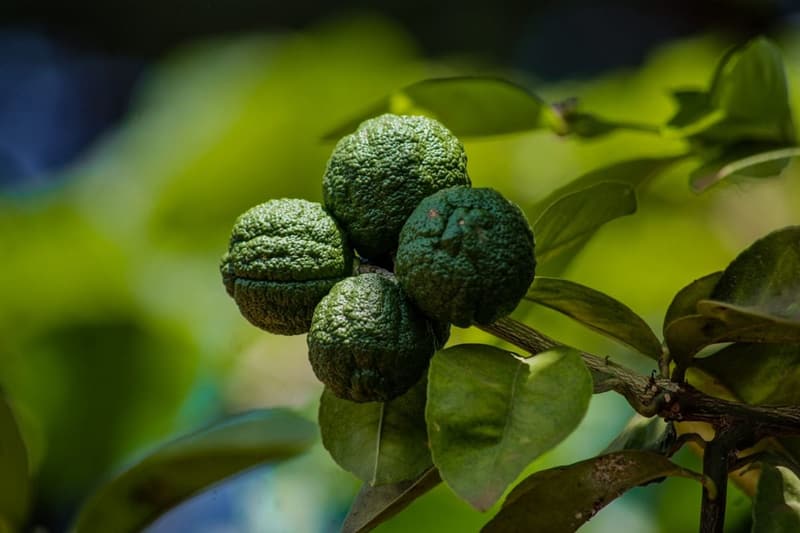
Makrut lime leaves add a sharp, floral citrus scent without any sourness. In Thai, Lao, Cambodian and Indonesian cooking they are either simmered whole in a curry or soup and pushed aside when eating, or sliced into fine threads and eaten raw in salads and fish cakes. The leaf’s aroma is unlike lime juice or peel, so every swap except frozen or dried leaves gives a close cousin rather than the same flavor.
Curries and soups
For green, red and massaman curries, tom yum and tom kha, where the leaves are simmered and removed, frozen leaves are the best swap, and dried leaves are a reasonable second. Use twice as many dried leaves and give them at least 10 minutes in the liquid.
Without leaves, combine lime zest for the citrus with a bay leaf for the herbal base. Grate only the green skin; the white pith underneath tastes bitter. Lemongrass can stand in for leaves in a soup, but the result tastes more of lemongrass than of lime.
Curry pastes and fish cakes
In curry paste and Thai fish cakes (tod mun pla), the leaves are pounded or sliced in and eaten. Frozen leaves sliced finely work best. Lime zest blends in smoothly and gives the closest flavor of the alternatives. Dried leaves don’t soften enough to eat.
Salads and garnishes
In larb, yum salads and as a garnish over curry, the leaf is eaten raw in fine threads. Only fresh or frozen leaves do this job. Lime zest scattered over the dish gives a fragrance, though not the chewy threads.
When not to substitute
Dishes where the leaf is a main flavor, such as Thai fried chicken with crispy lime leaves, chu chee curry or Indonesian soto ayam, lose their character with zest or bay. Asian groceries often sell frozen leaves; buy a pack and keep it.
Common mistakes
- Leaving the midrib in sliced leaves. It is tough and stringy, so remove it before slicing.
- Swapping in lime juice. Juice brings acid, not the leaf’s aroma; it can make a coconut curry taste sour.
- Simmering lime zest from the start. Its fresh oils cook off and a bitter note is left behind.
- Serving whole dried leaves in a salad. They stay leathery and sharp-edged.
All 5 substitutes at a glance
| Substitute | Ratio | Best for | Notes |
|---|---|---|---|
| Frozen makrut lime leaves CookingRaw & finishing | 1:1 | curries, tom yum, fish cakes, stir-fries | Almost as fragrant as fresh and keep for months. Use straight from the freezer; they darken a little once thawed but taste the same. |
| Dried makrut lime leaves Cooking | 2 dried leaves per fresh leaf | simmered curries, soups, braises | Drying drives off much of the aromatic oil, so it takes about twice as many leaves for the same scent. They stay brittle: simmer whole and remove, never slice into a salad. |
| Lime zest CookingRaw & finishing | ½ tsp finely grated zest per leaf | curry pastes, fish cakes, dressings, larb | Lime peel has a sweeter, juicier citrus aroma than the leaf's sharp, floral one, but it is the closest common ingredient. Stir it in near the end; long simmering makes zest bitter. |
| Lime zest plus bay leaf Cooking | ½ tsp lime zest per leaf, plus 1 bay leaf per 3 leaves | green curry, massaman curry, rendang, long-simmered soups | The bay leaf adds the herbal, slightly resinous background that zest lacks and survives long cooking. Add the bay at the start, the zest at the end. |
| Lemongrass Cooking | 1 stalk per 2 leaves | tom yum, tom kha, broths, curry pastes | A different lemony aroma, grassier and softer, but native to the same dishes. In soups that already contain lemongrass, use lime zest instead so the citrus has two layers. |
Substitute calculator
How much kaffir lime leaves does your recipe call for?
- Frozen makrut lime leaves1 frozen makrut lime leaf
- Dried makrut lime leaves2 dried makrut lime leaves
- Lime zest½ tsp finely grated lime zest
- Lime zest plus bay leaf½ tsp finely grated lime zest + ⅓ bay leaf
- Lemongrass½ lemongrass stalk, bruised
Amounts are rounded to practical kitchen measures. Swaps without a fixed ratio, or that can't be measured in the unit you picked, show their ratio instead.
Topics: kaffir limethaicitrusleavesaromatic All cooking guides
Frequently asked questions
Why are they also called makrut lime leaves?
The word kaffir resembles a slur used in South Africa, so many retailers and cookbooks now use makrut, the Thai name. Both names refer to the same tree, Citrus hystrix, and the same leaves.
Can I use leaves from a regular lime tree?
Yes, though they are much milder. Persian or Key lime leaves have a faint citrus scent, so use two or three for each makrut leaf and combine them with a little lime zest.
How do I prepare makrut lime leaves?
The leaves look doubled. For soups, tear or bruise them and add them whole. For salads, fish cakes and stir-fries, fold the leaf, cut out the tough central rib, then roll it and slice into hair-thin threads.
How do I store fresh makrut lime leaves?
Seal them in a freezer bag, press out the air and freeze. They stay fragrant much longer frozen than in the fridge, where they dry out within a couple of weeks.
More cooking substitutes
Substitute for Lemongrass
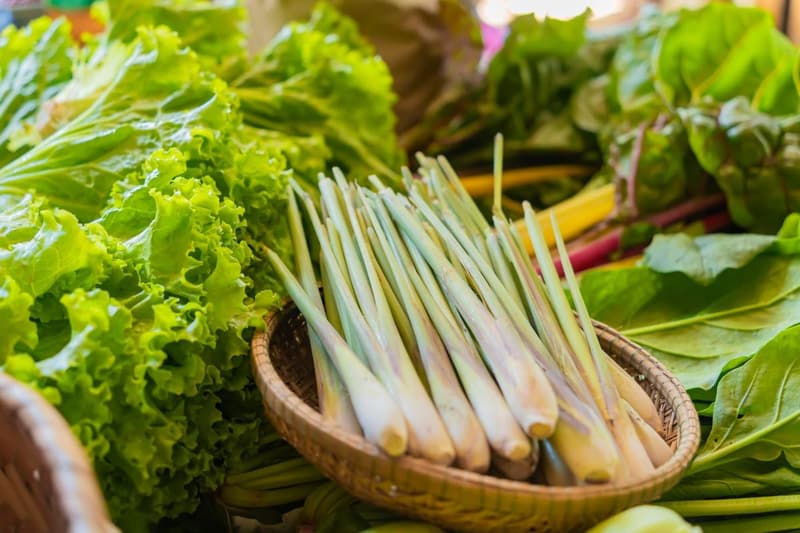
No fresh lemongrass? Frozen stalks swap 1:1, tube paste at ¾ the volume of chopped, and lemon zest plus a lime leaf fills in for a stalk in soups and curries.
Read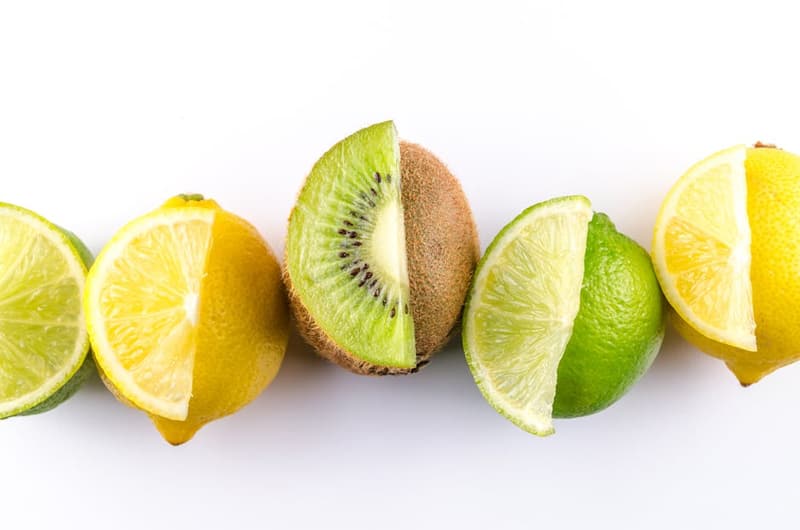
Substitute for Lime Juice
Out of limes? Lemon juice or bottled lime juice swap 1:1. For Thai and Vietnamese dressings, use 2 tsp rice vinegar per tbsp; citric acid covers sourness only.
ReadSubstitute for Red Curry Paste
No red curry paste? Panang or yellow paste swaps 1:1; or per tbsp, mix 1 tsp sambal oelek with garlic, lemongrass, coriander and cumin, fried in oil.
Read
Substitute for Fish Sauce
No fish sauce? Use 1 tbsp soy sauce plus ¼ tsp salt per tablespoon, mashed anchovies for real fish depth, or coconut aminos with salt if avoiding soy.
Read