
Cooking
Substitute for Lime Juice
Out of limes? Lemon juice or bottled lime juice swap 1:1. For Thai and Vietnamese dressings, use 2 tsp rice vinegar per tbsp; citric acid covers sourness only.
- vegetarian
- vegan
- gluten free
Quick answer
Out of lime juice? The most versatile swaps:
- 1
Lemon juice
1:1
- 2
Bottled lime juice
1:1
- 3
Rice vinegar
2 tsp for 1 tbsp lime juice
Lime juice does two jobs at once. Its acid balances fish sauce, chile and sugar in Southeast Asian dressings, sets key lime pie, firms raw fish and keeps guacamole green for a while. Its slightly bitter, floral aroma is what makes a dish taste of lime rather than just sour. Decide which of the two the recipe depends on before choosing a swap.
Mexican and Latin American dishes
In guacamole, pico de gallo, ceviche and elote, lemon juice is the practical swap at the same amount. Taste the salt again afterward, since lemon reads milder and the dish can seem underseasoned. For marinades for carne asada or pollo asado, bottled lime juice or white wine vinegar at half volume work because garlic, chile and the grill dominate.
Thai and Vietnamese cooking
Nuoc cham, larb, som tam and Thai beef salad rely on a balance of sour, salty and sweet. Rice vinegar keeps that balance better than sharper vinegars. Marukan lists its plain rice vinegar at 4.3% acidity, at the low end for vinegar, which is why it takes about two-thirds the volume of lime instead of the half-measure extension charts give for vinegar in general. Lemon juice also works, at the same amount. Rebalance with sugar and fish sauce after swapping, a little at a time.
Baking and desserts
Key lime pie, lime bars and lime curd depend on acid to thicken condensed milk or eggs, and lemon juice or bottled lime juice provide it in equal measure. Lime-flavored cakes get most of their flavor from zest; if only juice is missing, a little citric acid solution adds the tartness without thinning a glaze.
When not to substitute
Margaritas, mojitos, a squeeze of fresh lime over tacos or pho, and Indian lime pickle are about fresh lime aroma; lemon makes a recognizably different version and vinegar does not belong. For home-canned salsa and tomatoes, only bottled juice is acceptable, as fresh limes have unpredictable acidity.
Common mistakes
- Replacing lime with distilled white vinegar in nuoc cham. The harsh edge overwhelms the fish sauce; rice vinegar is the milder choice.
- Not re-tasting after the swap. Lemon tastes rounder, so dressings often need an extra squeeze or pinch of salt.
- Using sweetened lime cordial. The added sugar throws off marinades and dressings.
- Expecting acid to make raw fish safe. Ceviche texture changes, but the fish must still be raw-quality.
All 5 substitutes at a glance
| Substitute | Ratio | Best for | Notes |
|---|---|---|---|
| Lemon juice Raw & finishingCookingBaking | 1:1 | guacamole, ceviche, salsa, key lime pie | As sour as lime, so quantities and setting behavior stay the same. The flavor is softer and less bitter-floral; a pinch of grated lime zest, if any is left, brings the lime character back. |
| Bottled lime juice CookingBakingRaw & finishing | 1:1 | pies, marinades, curries, canned salsa | Consistent acidity, flatter aroma. Fine wherever the lime is cooked or baked; in a margarita or a squeeze over tacos the missing fresh oils are noticeable. |
| Rice vinegar Raw & finishingCooking | 2 tsp for 1 tbsp lime juice | nuoc cham, Thai salad dressings, noodle salads, dipping sauces | Mild for a vinegar, so it needs a little more than the half-measure used for sharper vinegars. Add 1 tsp water to keep the volume. It has no citrus note; a few drops of lemon juice help if available. |
| White wine vinegar Raw & finishingCooking | ½ tsp for 1 tsp lime juice | marinades, pickled onions, black bean salads, slaw | Supplies the sourness but tastes of vinegar, not fruit. Best where lime is one acid among many seasonings, such as a chipotle marinade. |
| Citric acid solution CookingBaking | ¼ tsp citric acid in 1 tbsp water | agua fresca, sorbet, fruit fillings, large batches | Pure sourness and nothing else, which suits sweet drinks and desserts that already have strong fruit flavor. Taste as you go; citric acid tastes cleaner than juice, so some prefer slightly less. |
Substitute calculator
How much lime juice does your recipe call for?
- Lemon juice1 tbsp lemon juice
- Bottled lime juice1 tbsp bottled lime juice
- Rice vinegar2 tsp rice vinegar
- White wine vinegar1½ tsp white wine vinegar
- Citric acid solution¼ tsp citric acid + 1 tbsp water
Amounts are rounded to practical kitchen measures. Swaps without a fixed ratio, or that can't be measured in the unit you picked, show their ratio instead.
Frequently asked questions
How much juice does one lime give?
Mississippi State University Extension lists one medium lime as 1½ to 2 tablespoons of juice. Small key limes give far less, so a recipe written for key lime juice by the tablespoon is easier to make with bottled juice.
Can lemon replace lime in key lime pie?
Yes. The filling sets because the acid thickens the sweetened condensed milk and egg yolks, and lemon juice does that equally well. The pie tastes of lemon, so it is effectively a lemon icebox pie. Do not use vinegar here.
Does lime juice cook the fish in ceviche?
The acid changes the proteins so the fish turns opaque and firm, but it does not kill bacteria or parasites the way heat does. Use very fresh fish suited to raw eating. Lemon juice gives the same texture change.
Can I use bottled lime juice instead of lemon in canning?
The National Center for Home Food Preservation lists bottled lemon or lime juice at the same amount for acidifying tomatoes. Fresh limes are not safe there, since their acidity varies. Outside that table, use the acid a tested recipe names.
Sources
- Ingredient Substitutions and Equivalents, Mississippi State University Extension
- Ingredient Substitutions and Equivalents (E-131), New Mexico State University Cooperative Extension
- Tomato Acidification Directions, National Center for Home Food Preservation
- Genuine Brewed Rice Vinegar, Marukan USA
More cooking substitutes
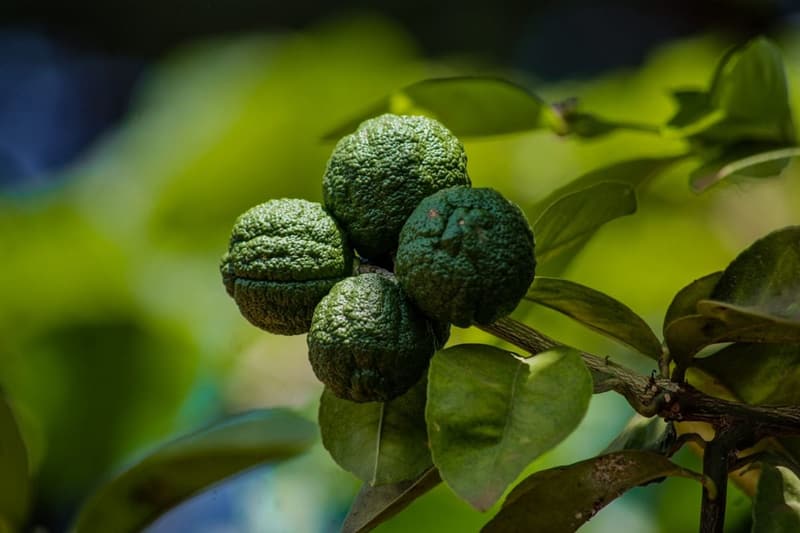
Substitute for Kaffir Lime Leaves
No kaffir (makrut) lime leaves? Frozen leaves swap 1:1 and dried ones at two per fresh leaf; otherwise use ½ tsp lime zest per leaf, plus a bay leaf in long simmers.
Read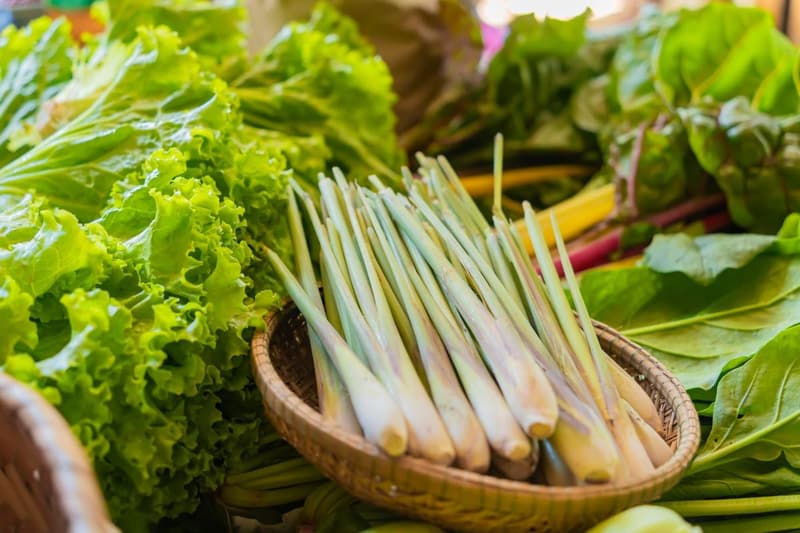
Substitute for Lemongrass
No fresh lemongrass? Frozen stalks swap 1:1, tube paste at ¾ the volume of chopped, and lemon zest plus a lime leaf fills in for a stalk in soups and curries.
Read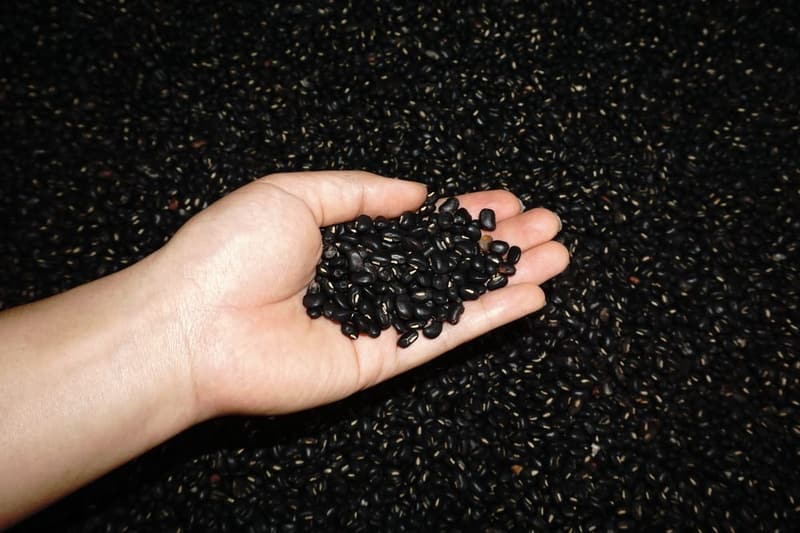
Substitute for Black Beans
No black beans? Swap cooked pinto beans cup for cup in burritos and refried beans, kidney beans in chili, and chickpeas in salads. One 15-oz can is 1½ cups.
Read
Substitute for Chipotle Peppers
No chipotles in adobo? Use ½ tsp ground chipotle plus a little tomato paste per pepper, a rehydrated dried chipotle, or smoked paprika with cayenne.
Read