
Cooking
Substitute for Horseradish
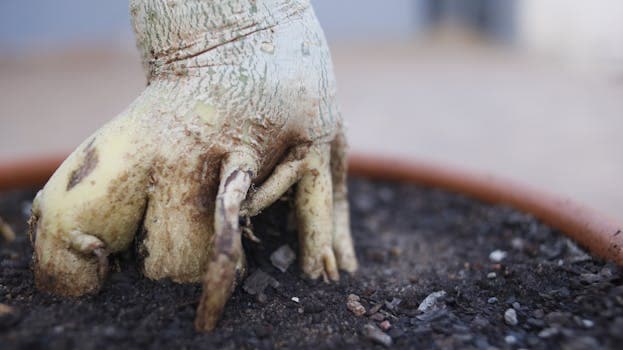
No prepared horseradish? Use half as much freshly grated root with a splash of vinegar, a little wasabi paste, or hot mustard mixed from powder.
- vegetarian
- vegan
- gluten free
Quick answer
Out of horseradish? The most versatile swaps:
- 1
Freshly grated horseradish root
1½ tsp grated root per 1 tbsp prepared, plus ½ tsp vinegar
- 2
Wasabi paste (tube)
1 tsp per 1 tbsp prepared horseradish
- 3
Hot mustard from powder
1 tsp mustard powder plus 1 tsp cold water per 1 tbsp prepared horseradish
Horseradish heat is not like chili heat. Grating the root breaks its cells and lets an enzyme turn odorless compounds into a sharp, volatile vapor that rises into the nose and fades in seconds. Only plants in the same family (wasabi and mustard) produce that sensation, so they are the real substitutes. Chili-based hot sauce adds heat on the tongue instead and gives a different condiment.
Sauces and condiments
For cocktail sauce, horseradish cream, and dressing for a roast beef sandwich, the strongest swaps are fresh root and wasabi paste. Prepared horseradish is grated root preserved in vinegar, which both dilutes and stabilizes it. Grated fresh root is roughly twice as strong, so use half. Use the fine side of a box grater or a microplane, and do it near an open window: the fumes are strong.
Hot mustard made from powder is the best pantry option. Mix it with cold water; hot liquid stops the enzyme and leaves the mustard bitter and flat. Rest it 10 minutes so the heat develops, then stir it into sour cream or mayonnaise for a horseradish-style sauce.
Cooking
In glazes, mashed potatoes, crusts for salmon and pan sauces, horseradish loses most of its bite once cooked, leaving a mild earthy note. Dijon mustard gives a similar background effect with more acidity. Add any of these off the heat if you want sharpness.
When not to substitute
Chrain (beet-and-horseradish relish), the bitter herb on a Passover seder plate, and Austrian Kren with boiled beef are horseradish itself, not a seasoning. Mustard or wasabi would change the meaning or the dish. For a Bloody Mary, wasabi works, but mustard clouds the drink.
Common mistakes
- Using fresh root at the jarred amount. Twice the strength makes a sauce painfully sharp.
- Mixing mustard powder with hot water. The heat never develops.
- Reaching for hot sauce. It adds heat on the tongue and vinegar, not the nasal kick.
- Using an old opened jar. Prepared horseradish fades in the fridge; if it smells weak, it will taste weak.
All 5 substitutes at a glance
| Substitute | Ratio | Best for | Notes |
|---|---|---|---|
| Freshly grated horseradish root Raw & finishing | 1½ tsp grated root per 1 tbsp prepared, plus ½ tsp vinegar | cocktail sauce, roast beef, horseradish cream, Passover chrain | Prepared horseradish is root diluted with vinegar, so fresh root is about twice as strong by volume. Add the vinegar within a few minutes of grating to fix the heat. |
| Wasabi paste (tube) Raw & finishing | 1 tsp per 1 tbsp prepared horseradish | cocktail sauce, seafood, dressings, deviled eggs | Most tube wasabi is largely horseradish with mustard and green coloring, so the heat is the same kind. It is denser and undiluted; thin it with a few drops of vinegar. It tints pale sauces green. |
| Hot mustard from powder Raw & finishing | 1 tsp mustard powder plus 1 tsp cold water per 1 tbsp prepared horseradish | roast beef sandwiches, sausages, cream sauces, glazes | Mustard heat comes from an enzyme reaction like horseradish's, so it hits the nose the same way. Rest the paste 10 minutes before using; add a few drops of vinegar to match the tang. |
| Dijon mustard Raw & finishingCooking | 1:1 | sandwich spreads, vinaigrettes, potato salad, pan sauces | Much milder, creamier and more acidic, with a yellow color. Fine where horseradish is one of several flavors; too gentle where it is the main one. |
| Creamed horseradish sauce Raw & finishing | 2 tbsp sauce per 1 tbsp prepared horseradish | roast beef, smoked fish, baked potatoes | Already mixed with mayonnaise or cream, so it is weaker and adds fat. Reduce the sour cream or mayo in the recipe by the extra amount. |
Substitute calculator
How much horseradish does your recipe call for?
- Freshly grated horseradish root1½ tsp freshly grated horseradish + ½ tsp white vinegar
- Wasabi paste (tube)1 tsp wasabi paste
- Hot mustard from powder1 tsp dry mustard powder + 1 tsp cold water
- Dijon mustard1 tbsp Dijon mustard
- Creamed horseradish sauce2 tbsp creamed horseradish sauce
Amounts are rounded to practical kitchen measures. Swaps without a fixed ratio, or that can't be measured in the unit you picked, show their ratio instead.
Topics: horseradishcondimentspicyrootwasabi All cooking guides
Frequently asked questions
How much fresh horseradish equals prepared?
Mississippi State University Extension lists 1 tablespoon of fresh horseradish as equal to 2 tablespoons of bottled. So use half the volume of freshly grated root, and add a little vinegar and salt to make it taste like the jarred kind.
Why does prepared horseradish lose its heat?
The heat forms in an enzyme reaction once the root is grated, and the compounds are volatile. America's Test Kitchen notes that the reaction quickly exhausts itself; vinegar slows the loss. An opened jar fades over weeks, so buy small ones.
Is wasabi the same as horseradish?
Real wasabi is a different plant in the same cabbage family, with a greener, sweeter heat. It is expensive and rarely sold fresh outside Japan, which is why most tubes and powders are mostly horseradish.
Can I cook with horseradish?
Heat drives off its pungency quickly. Stir it into a hot sauce or mashed potatoes at the end, off the heat. Baked into a crust or simmered in a braise, it leaves only a mild, earthy flavor.
Sources
- Ingredient Substitutions and Equivalents, Mississippi State University Extension
- Keeping the Kick in Fresh Horseradish, America's Test Kitchen
More cooking substitutes
Substitute for Cayenne Pepper
No cayenne? Grind red pepper flakes and use the same amount, double the hot paprika, or add hot sauce to taste. Chili powder is a mild blend, not a swap.
Read
Substitute for Chipotle Peppers
No chipotles in adobo? Use ½ tsp ground chipotle plus a little tomato paste per pepper, a rehydrated dried chipotle, or smoked paprika with cayenne.
Read
Substitute for Harissa
For 1 tbsp harissa, stir 2 tsp tomato paste and 1 tsp olive oil with cayenne, cumin and coriander, or use 2 tsp sambal oelek spiked with cumin and caraway.
Read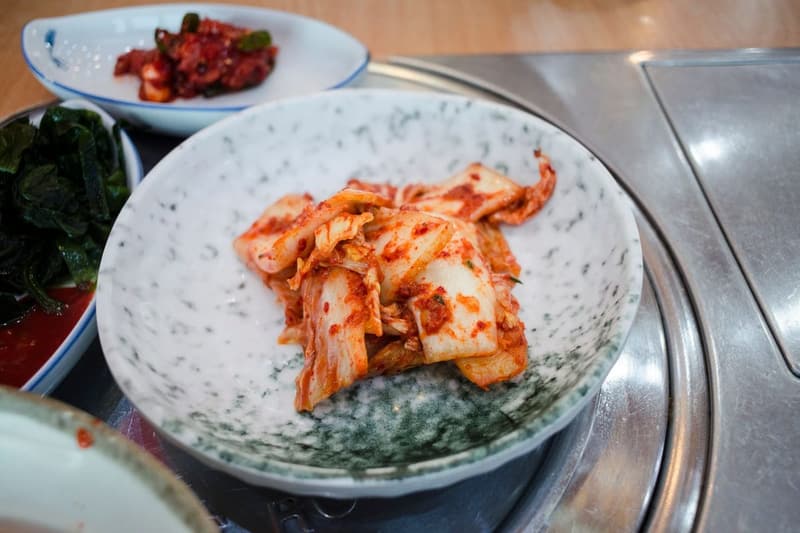
Substitute for Kimchi
No kimchi? Use drained sauerkraut with gochugaru and garlic cup for cup in stews and fried rice, or a quick salted napa cabbage salad as a raw side.
Read