
Cooking
Substitute for Kimchi
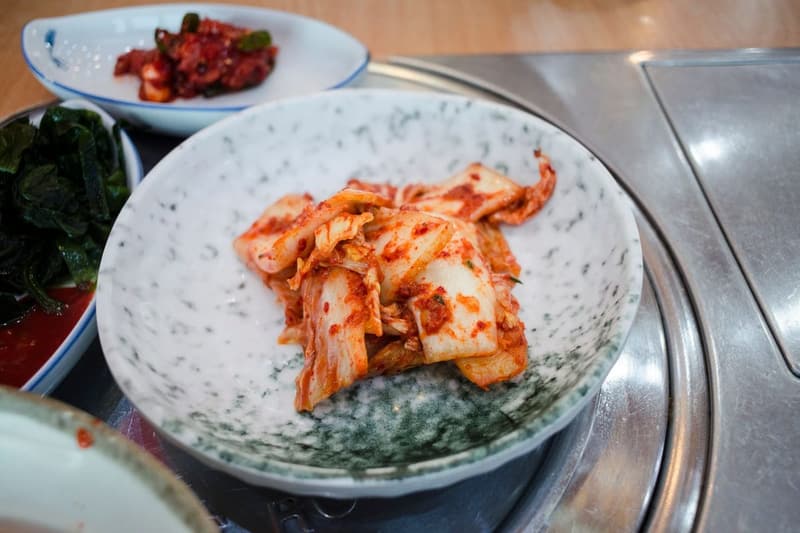
No kimchi? Use drained sauerkraut with gochugaru and garlic cup for cup in stews and fried rice, or a quick salted napa cabbage salad as a raw side.
- vegetarian
- vegan
- gluten free
Quick answer
Out of kimchi? The most versatile swaps:
- 1
Sauerkraut + gochugaru + garlic
1 cup drained sauerkraut, 2 tsp gochugaru and 1 grated garlic clove for 1 cup kimchi
- 2
Sauerkraut + gochujang
1 cup drained sauerkraut + 1 tbsp gochujang for 1 cup kimchi
- 3
Quick napa cabbage salad (fresh-style kimchi)
1 cup salted, squeezed napa cabbage + 1 tsp gochugaru + 1 tsp rice vinegar + ½ tsp sugar
Kimchi brings four things to a dish at once: lactic sourness from fermentation, chili heat, garlic and ginger pungency, and cabbage that stays slightly crisp even after cooking. In a stew or fried rice, the sourness and heat matter most; served raw as a side, the crunch and fresh seasoning matter most. The swap depends on which of those the recipe leans on.
Stews, soups and fried rice
Kimchi jjigae, kimchi fried rice, budae jjigae and kimchi pancakes all cook the kimchi, which softens it and spreads its acidity through the dish. Sauerkraut is the best base here because it is also fermented cabbage. Drain it and squeeze out most of the brine, then season it with gochugaru and garlic. If only gochujang is on hand, use it instead; it adds sweetness, so skip any sugar the recipe calls for. Kimchi recipes often add some of the kimchi brine; replace it with a little sauerkraut brine and a pinch of gochugaru.
For noodle soups and stir-fries in a Chinese style, pickled mustard greens give a sour, savory bite that suits pork and broth. Rinse them first and taste before salting the dish.
Raw sides and toppings
On bibimbap, in tacos or as banchan, aged kimchi’s flavor comes with crunch. A quick napa cabbage salad keeps the crunch: salt the sliced leaves, rinse, squeeze, then toss with gochugaru, a little vinegar and sugar. Sauerkraut with gochugaru also works raw, but its texture is softer and its sourness sharper. Grated garlic in raw dressings is strong, so use half a clove.
When not to substitute
If kimchi is the main ingredient, as in kimchi jjigae or a kimchi side plate at a Korean meal, every swap reads as a different dish; sauerkraut gives a decent stew, but not a traditional one. Buying a jar or making a small batch is worth it there.
Kimchi made with fish sauce or shrimp is a hidden source of fish and shellfish, so for a guest with those allergies, the sauerkraut swap without fish sauce is the safer version.
Common mistakes
- Leaving sauerkraut wet. The extra brine waters down a stew and stops fried rice from crisping.
- Adding salt before tasting. Sauerkraut and pickled greens can already be salty, and soy sauce or gochujang adds more.
- Using paprika or cayenne as gochugaru. Cayenne is far hotter and paprika lacks gochugaru’s fruity heat; use a little cayenne mixed with sweet paprika if nothing else is available.
- Expecting vinegar cabbage to behave like aged kimchi in a stew. It cooks down sweet and bland; save it for raw uses.
All 4 substitutes at a glance
| Substitute | Ratio | Best for | Notes |
|---|---|---|---|
| Sauerkraut + gochugaru + garlic CookingRaw & finishing | 1 cup drained sauerkraut, 2 tsp gochugaru and 1 grated garlic clove for 1 cup kimchi | kimchi jjigae, kimchi fried rice, kimchi pancakes, dumpling filling | Sauerkraut is cabbage soured by the same kind of lactic fermentation, so it supplies the acidity and the soft-crunchy texture. It lacks chili, garlic and ginger, which the flakes and garlic restore. Shreds are finer than kimchi's chunks, so it melts faster into a stew. Add a splash of fish sauce for the savory depth of non-vegan kimchi. |
| Sauerkraut + gochujang Cooking | 1 cup drained sauerkraut + 1 tbsp gochujang for 1 cup kimchi | fried rice, stews, noodle stir-fries, grilled cheese | Gochujang is a fermented chili paste with rice and often wheat, so it adds heat plus a sweet, sticky body that coats rice well. It is too thick to toss evenly through raw cabbage. Check the label if the dish must be gluten-free. |
| Quick napa cabbage salad (fresh-style kimchi) Raw & finishing | 1 cup salted, squeezed napa cabbage + 1 tsp gochugaru + 1 tsp rice vinegar + ½ tsp sugar | banchan side dish, bibimbap topping, tacos, grain bowls | Salting the leaves for about 30 minutes, then rinsing and squeezing, gives the seasoned, wilted crunch of freshly made kimchi. Vinegar stands in for fermentation sourness, so it tastes brighter and cleaner, without the funk of an aged jar. |
| Chinese pickled mustard greens + chili flakes Cooking | 1 cup chopped pickled mustard greens + 1 tsp chili flakes for 1 cup kimchi | noodle soups, pork stir-fries, fried rice, braised tofu | Suan cai is a sour fermented green, sold in vacuum packs at Asian grocers. It is often saltier than kimchi, so rinse it and hold back the salt or soy sauce in the dish until the end. |
Substitute calculator
How much kimchi does your recipe call for?
- Sauerkraut + gochugaru + garlic1 cup drained sauerkraut + 2 tsp gochugaru (Korean chili flakes) + 1 garlic clove, grated
- Sauerkraut + gochujang1 cup drained sauerkraut + 1 tbsp gochujang
- Quick napa cabbage salad (fresh-style kimchi)1 cup salted, squeezed napa cabbage + 1 tsp gochugaru + 1 tsp rice vinegar + ½ tsp sugar
- Chinese pickled mustard greens + chili flakes1 cup chopped pickled mustard greens + 1 tsp chili flakes
Amounts are rounded to practical kitchen measures. Swaps without a fixed ratio, or that can't be measured in the unit you picked, show their ratio instead.
Topics: kimchifermentedspicykoreanvegetables All cooking guides
Frequently asked questions
Can sauerkraut replace kimchi in kimchi fried rice?
Yes, and it works well because fried rice relies on sourness and a little crunch. Squeeze the sauerkraut dry so the rice fries instead of steaming, add gochugaru or gochujang for color and heat, and finish with a little sesame oil.
What is old or sour kimchi, and how do I fake it?
Stew recipes such as kimchi jjigae ask for kimchi that has fermented for weeks until very sour and soft. Sauerkraut is actually close to that stage. Fresh, barely fermented kimchi can be soured faster by leaving the jar at room temperature for a day or two.
Is kimchi vegan?
Often not. Many traditional recipes season the paste with fish sauce, salted shrimp or anchovy. Vegan kimchi exists and is labeled as such. The sauerkraut-based swaps here are vegan unless fish sauce is added.
Does a substitute give the same probiotics?
Only if it is a live, unpasteurized ferment. Shelf-stable canned or jarred sauerkraut has usually been heat-treated, and the quick vinegar salad is not fermented at all. Refrigerated sauerkraut labeled raw or live is the closer choice.
More cooking substitutes
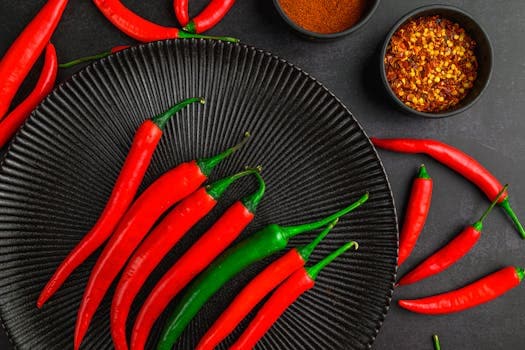
Substitute for Cayenne Pepper
No cayenne? Grind red pepper flakes and use the same amount, double the hot paprika, or add hot sauce to taste. Chili powder is a mild blend, not a swap.
Read
Substitute for Chipotle Peppers
No chipotles in adobo? Use ½ tsp ground chipotle plus a little tomato paste per pepper, a rehydrated dried chipotle, or smoked paprika with cayenne.
Read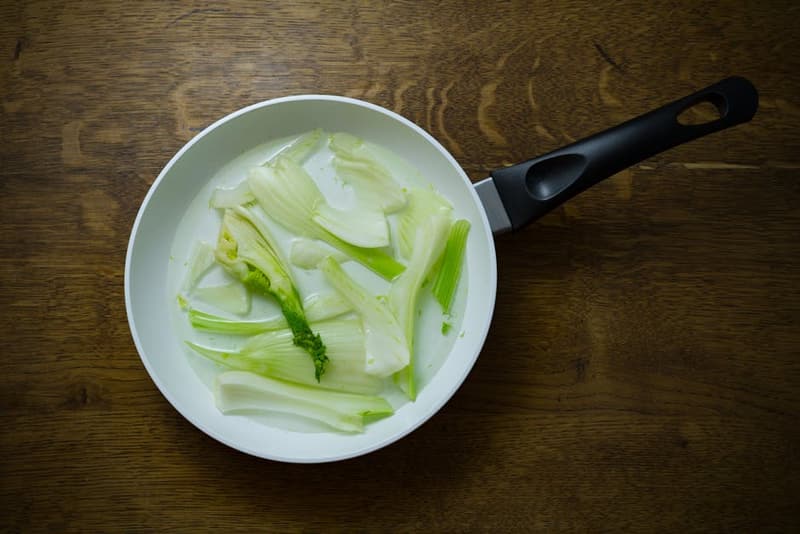
Substitute for Fennel
No fennel bulb? Use sliced celery 1:1 with a pinch of crushed fennel seed per cup. For braises try leeks or onion plus seed; swap fennel seed for half as much anise.
Read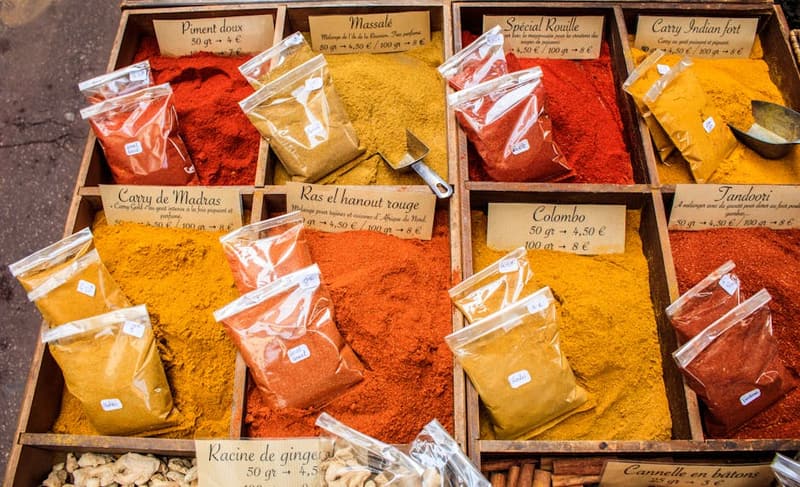
Substitute for Harissa
For 1 tbsp harissa, stir 2 tsp tomato paste and 1 tsp olive oil with cayenne, cumin and coriander, or use 2 tsp sambal oelek spiked with cumin and caraway.
Read