5 Vegan Baking Tips That Actually Work
Skip the trial and error with these tested vegan baking techniques that deliver results indistinguishable from traditional recipes.
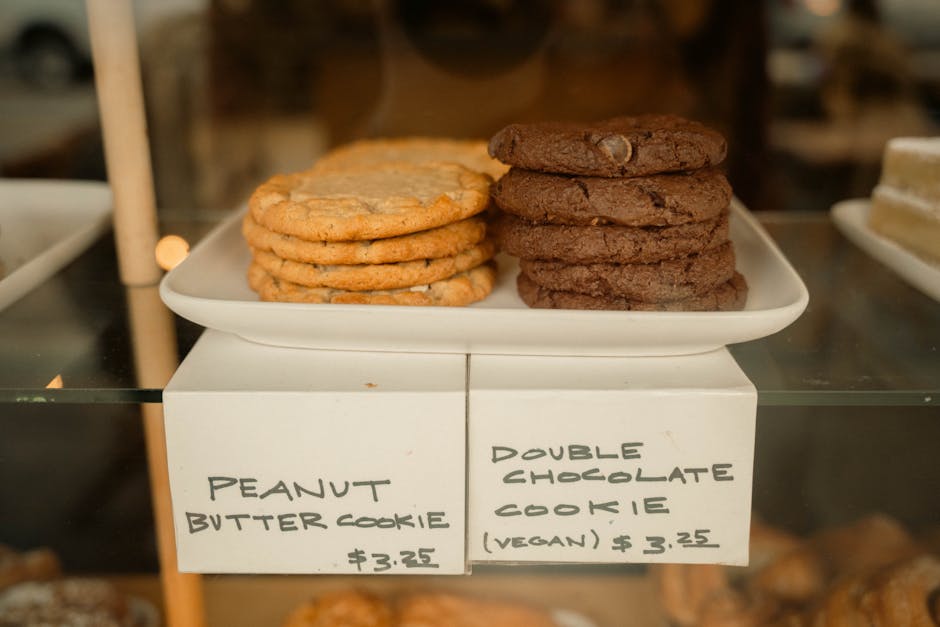
Vegan baking has a reputation for producing dense, dry, or crumbly results. That reputation is outdated. With the right techniques and a little understanding of how ingredients interact, plant-based baking can produce cakes, cookies, and pastries that rival anything made with eggs and butter. These five tips are tested, practical, and grounded in kitchen science — not wishful thinking.
Tip 1: Use Aquafaba for Meringue and Light Cakes
Aquafaba — the liquid drained from a can of chickpeas — is the single most important discovery in vegan baking. It whips into stiff peaks just like egg whites, and it holds those peaks through folding and baking.
How to use it: Drain a can of unsalted chickpeas and measure out the liquid. Use three tablespoons of aquafaba to replace one egg white. Pour it into a clean, dry bowl (any trace of grease will prevent it from whipping) and beat with a stand mixer or hand mixer on high speed for 8 to 12 minutes until stiff, glossy peaks form. Adding a quarter teaspoon of cream of tartar per three tablespoons of aquafaba stabilizes the foam and speeds up whipping.
Where it shines: Aquafaba is essential for meringues, pavlovas, angel food cake, macarons, and any recipe that depends on whipped egg whites for volume. Fold it into cake batters at the end of mixing to create a light, airy crumb that traditional vegan recipes struggle to achieve.
One important note: Reduce the aquafaba over low heat to about two-thirds of its original volume before whipping if you want even stiffer peaks and a more stable foam. This concentrates the proteins and makes a real difference in meringue-heavy recipes.
Tip 2: Add Extra Fat to Replace Egg Richness
When you remove eggs from a recipe, you lose their fat content (about 5 grams per egg, mostly from the yolk). This fat contributes to the tender, rich mouthfeel of baked goods. Many vegan recipes compensate for the missing binding and leavening of eggs but forget about the fat, which is why the results sometimes taste flat.
How to use it: For every egg removed from a recipe, add one tablespoon of a neutral oil (such as vegetable, canola, or melted refined coconut oil) to the batter. In recipes where richness is the star — think brownies, pound cake, or chocolate chip cookies — use melted vegan butter instead of oil for an even more indulgent result.
Specific measurements:
- Replacing 1 egg: add 1 tablespoon oil
- Replacing 2 eggs: add 2 tablespoons oil
- Replacing 3 eggs: add 2.5 tablespoons oil (diminishing returns at higher counts)
This tip pairs well with other egg substitutes. Use a flax egg for binding and add the extra oil for richness. The combination produces a noticeably better result than either technique alone.
Tip 3: Use Vinegar and Baking Soda for Lift
The classic combination of vinegar and baking soda creates carbon dioxide gas, which makes batters rise. This is not a new trick — it has been used in Southern baking for generations — but it is especially valuable in vegan recipes where you have lost the leavening power of eggs.
How to use it: Add one teaspoon of apple cider vinegar or white vinegar and half a teaspoon of baking soda to replace the leavening of one egg. Add the vinegar to your wet ingredients and the baking soda to your dry ingredients. When they combine during mixing, the reaction begins immediately, so get the batter into the oven quickly after mixing.
Where it works best: This technique produces the most dramatic results in cakes, cupcakes, and quick breads. It creates a tender, open crumb that feels light on the palate. For chocolate cake in particular, the slight acidity of the vinegar actually enhances the cocoa flavor and deepens the chocolate taste.
Pro tip: Do not skip this step even if your recipe already includes baking powder. The vinegar-soda reaction provides a secondary rise that compensates for the structural support eggs would normally provide.
Tip 4: Let Batter Rest for Better Gluten-Free Results
If you are baking both vegan and gluten-free, this tip is essential. Gluten-free flours absorb liquid more slowly than wheat flour. Mixing and immediately baking often produces gritty, dry results because the flour has not had time to fully hydrate.
How to use it: After mixing your batter, cover the bowl and let it rest at room temperature for 15 to 30 minutes before pouring it into pans and baking. The difference in texture is significant — the crumb becomes smoother, more cohesive, and less grainy.
The science behind it: Gluten-free flours (rice flour, oat flour, sorghum flour) contain starches that need time to absorb moisture and swell. This process, called hydration, is something wheat flour does almost instantly thanks to gluten, but alternative flours need the extra time. During the rest, xanthan gum or psyllium husk (if your recipe includes them) also fully activates, improving the batter’s elasticity and structure.
What to watch for: Some batters will thicken noticeably during the rest. If the batter becomes too thick to pour, stir in one to two tablespoons of plant milk to bring it back to the right consistency. Do not skip the rest and simply add more liquid upfront — the results will not be the same.
Tip 5: Use Silken Tofu for Custards and Dense, Creamy Bakes
Silken tofu is an underrated powerhouse in vegan baking. Blended until completely smooth, it creates a creamy, protein-rich base that mimics the role of eggs in custards, cheesecakes, puddings, and dense cakes.
How to use it: Blend one-quarter cup (about 60 grams) of silken tofu in a food processor or blender until it is perfectly smooth with no lumps. Use this to replace one egg. For custard-style desserts like pumpkin pie or creme brulee, increase the amount to one-half cup per egg for a denser, more set result.
Where it excels:
- Cheesecake — Silken tofu blended with vegan cream cheese, sugar, and lemon juice produces a cheesecake with an incredibly smooth, dense texture.
- Chocolate mousse — Blend silken tofu with melted dark chocolate and a splash of vanilla for a mousse that is rich, silky, and surprisingly convincing.
- Pumpkin pie and custard pies — Silken tofu provides the firm-yet-creamy set that these pies need, something most other egg substitutes cannot achieve.
Important details: Use soft or silken tofu, not firm or extra-firm. The softer varieties blend to a smoother consistency. Drain excess water but do not press the tofu — you want that moisture in the final product. Always blend in a food processor or high-speed blender rather than mashing by hand; any remaining lumps will be noticeable in the finished dessert.
Putting It All Together
These five techniques are not mutually exclusive. The best vegan bakers combine them based on what a specific recipe demands. A chocolate cake might use vinegar and baking soda for lift, extra oil for richness, and aquafaba folded in for lightness. A cheesecake relies on silken tofu for body. Understanding which technique solves which problem is what separates successful vegan baking from frustrating trial and error.
Topics
Related Articles
The Science Behind Egg Substitutes in Baking
Understanding why eggs work in recipes is the key to choosing the right substitute. Here's the science that makes egg-free baking possible.
Understanding Gluten-Free Flour Blends
Not all gluten-free flours are created equal. Learn which flours work best for different recipes and how to create your own blend.