The Science Behind Egg Substitutes in Baking
Understanding why eggs work in recipes is the key to choosing the right substitute. Here's the science that makes egg-free baking possible.
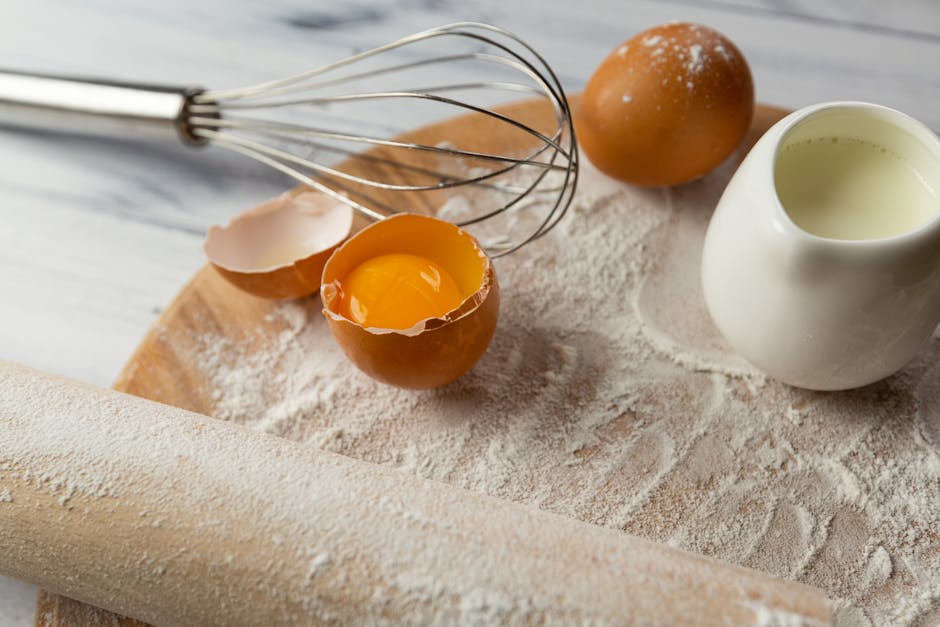
Eggs are often called the most versatile ingredient in baking, and for good reason. They perform multiple critical functions simultaneously, which is exactly why replacing them can be tricky. The secret to successful egg-free baking is not finding one perfect substitute — it is understanding the science behind what eggs actually do and choosing the right replacement for each specific role.
The Three Roles Eggs Play in Baking
Every egg in a recipe is there to do one or more of the following jobs. Identifying which role matters most in a given recipe is the key to choosing the right substitute.
1. Binding
The proteins in eggs coagulate (solidify) when heated, creating a network that holds ingredients together. This is why eggs are essential in cookies, meatloaf, and veggie burgers. Without a binder, baked goods crumble apart when you try to slice or pick them up.
2. Leavening
When eggs are whipped, they trap air bubbles. As those bubbles expand in a hot oven, they cause the batter to rise. This is the primary function of eggs in sponge cakes, souffles, and angel food cake. The proteins then set around those air bubbles, holding the light, airy structure in place.
3. Moisture and Richness
Eggs are roughly 75 percent water and 10 percent fat (concentrated in the yolk). They contribute moisture that keeps baked goods tender and fat that adds richness and a smooth mouthfeel. This role is most important in dense, moist baked goods like brownies and quick breads.
Matching the Substitute to the Role
Here is where the science gets practical. Each substitute excels at one or two of these roles, but none does all three as well as an egg.
Flax Eggs — Best for Binding
Mix one tablespoon of ground flaxseed with three tablespoons of water and let it rest for five minutes. The soluble fiber in flaxseed absorbs the water and forms a thick, gel-like substance called mucilage. This gel mimics the binding action of egg proteins, holding dry ingredients together effectively. Flax eggs work best in cookies, pancakes, muffins, and anything where structure matters more than lift.
The science: Flaxseed contains polysaccharides that hydrate into a viscous gel, similar to how egg proteins form a matrix when heated. The result is a cohesive dough that holds its shape.
Aquafaba — Best for Leavening
Aquafaba, the liquid from a can of chickpeas, is one of the most remarkable discoveries in egg-free baking. It contains proteins and starches that mimic egg whites when whipped. Three tablespoons of aquafaba, beaten with a stand mixer or hand mixer for 8 to 10 minutes, produce stiff peaks that are nearly indistinguishable from whipped egg whites.
The science: The proteins in aquafaba (primarily albumins and globulins) unfold and trap air when agitated, just like the proteins in egg whites. When baked, these proteins denature and set, preserving the airy structure. This is why aquafaba works for meringues, macarons, and light sponge cakes.
Applesauce — Best for Moisture
A quarter cup of unsweetened applesauce replaces one egg when moisture is the primary concern. The pectin in applesauce also provides mild binding, and the natural sugars add a subtle sweetness. This works beautifully in banana bread, carrot cake, and muffins.
The science: Pectin is a natural polysaccharide that forms a gel in acidic conditions, contributing both moisture retention and a small degree of structural support. The high water content of applesauce keeps crumb soft and tender.
Commercial Egg Replacers — The All-Rounder
Products like Bob’s Red Mill Egg Replacer or JUST Egg are engineered to address multiple egg functions at once. They typically combine starches (for binding), leavening agents (for lift), and sometimes protein isolates (for structure). Follow the package ratios for the most consistent results.
The science: These products are formulated with precise ratios of hydrocolloids, starches, and leaveners that work together to approximate the full range of egg functionality. They are the safest choice when a recipe relies heavily on eggs for multiple roles.
Egg Substitute Comparison Table
| Substitute | Binding | Leavening | Moisture | Best Used In |
|---|---|---|---|---|
| Flax egg (1 Tbsp flax + 3 Tbsp water) | Strong | Weak | Moderate | Cookies, pancakes, muffins |
| Chia egg (1 Tbsp chia + 3 Tbsp water) | Strong | Weak | Moderate | Dense breads, bars |
| Aquafaba (3 Tbsp, whipped) | Weak | Strong | Moderate | Meringues, sponge cakes, macarons |
| Applesauce (1/4 cup) | Moderate | Weak | Strong | Quick breads, muffins, brownies |
| Mashed banana (1/4 cup) | Moderate | Weak | Strong | Banana bread, pancakes, muffins |
| Silken tofu (1/4 cup, blended) | Strong | Weak | Strong | Custards, quiches, dense cakes |
| Baking soda + vinegar (1 tsp + 1 Tbsp) | Weak | Strong | Weak | Cakes, cupcakes, quick breads |
| Commercial egg replacer (per package) | Moderate | Moderate | Moderate | General baking, all-purpose |
Practical Tips for Egg-Free Baking
Do not over-substitute. If a recipe calls for three or more eggs, the eggs are doing significant structural work. Reduce the number of eggs you replace (try substituting two and leaving one, if possible) or use a commercial replacer designed for high-egg recipes.
Combine substitutes when needed. For a recipe where eggs provide both binding and leavening, use a flax egg for binding and add an extra half teaspoon of baking powder for lift. Layering substitutes is more effective than relying on a single one to do everything.
Adjust baking time and temperature. Egg-free batters often bake slightly differently. Reduce oven temperature by 25 degrees Fahrenheit and check for doneness a few minutes early. This prevents the outside from setting before the inside has finished cooking.
Let batters rest. Give flax eggs and chia eggs a full five minutes to gel before mixing them into batter. Rushing this step weakens their binding ability and leads to crumbly results.
Understanding the science behind eggs transforms egg-free baking from guesswork into a reliable process. Once you know whether a recipe needs binding, leavening, or moisture, choosing the right substitute becomes straightforward.
Topics
Related Articles
5 Vegan Baking Tips That Actually Work
Skip the trial and error with these tested vegan baking techniques that deliver results indistinguishable from traditional recipes.
Understanding Gluten-Free Flour Blends
Not all gluten-free flours are created equal. Learn which flours work best for different recipes and how to create your own blend.