Understanding Gluten-Free Flour Blends
Not all gluten-free flours are created equal. Learn which flours work best for different recipes and how to create your own blend.
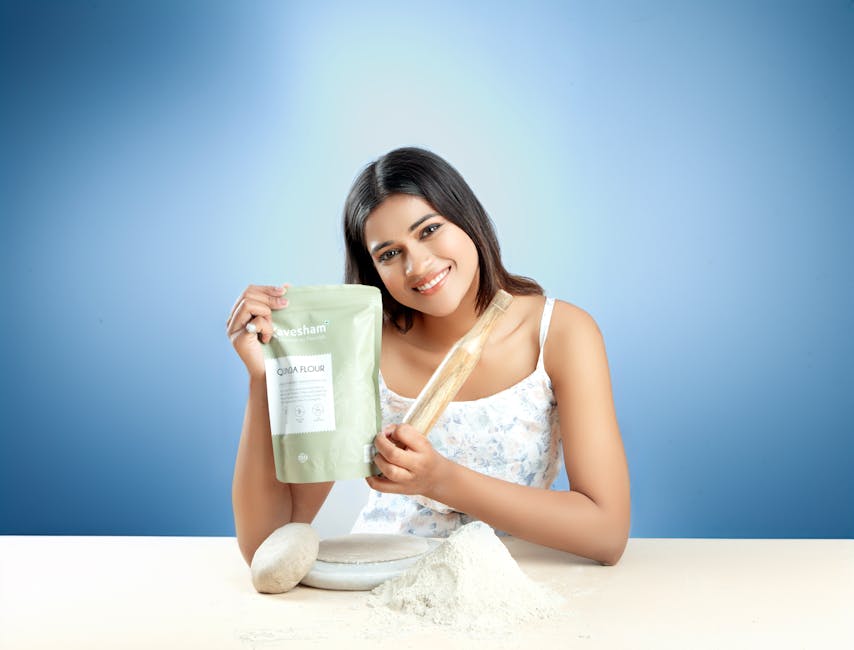
Switching to gluten-free baking can feel like learning a completely new skill, and in many ways, it is. Gluten-free flours behave differently from wheat flour, and understanding why is the key to producing baked goods that are just as satisfying as their traditional counterparts.
Why Gluten-Free Baking Is Tricky
Gluten is a protein network that forms when wheat flour is mixed with water. It acts like an elastic web, trapping gas bubbles produced by leavening agents, which gives bread its rise and cakes their tender crumb. Without gluten, baked goods tend to be dense, crumbly, or gritty.
That is exactly why you cannot simply swap wheat flour one-to-one with a single gluten-free flour and expect the same results. Successful gluten-free baking usually relies on a blend of flours and starches, each contributing different properties to mimic what gluten does naturally.
Common Gluten-Free Flours and Their Strengths
Rice Flour (White and Brown)
Rice flour is the backbone of most gluten-free blends. White rice flour has a neutral flavor and fine texture, making it versatile for everything from cookies to pancakes. Brown rice flour adds a slightly nuttier taste and more fiber. On its own, rice flour can produce a gritty texture, so it works best when combined with starches.
Almond Flour
Made from finely ground blanched almonds, almond flour adds moisture, richness, and a subtle nutty flavor. It is excellent in cookies, cakes, and muffins. Because it is high in fat and contains no starch, it cannot replace wheat flour on its own in most recipes. It also does not absorb liquid the same way grain-based flours do.
Oat Flour
Oat flour, made from ground rolled oats, lends a soft, slightly sweet quality to baked goods. It works especially well in pancakes, muffins, and quick breads. Make sure to use oats that are certified gluten-free, as conventional oats are frequently cross-contaminated with wheat during processing.
Coconut Flour
Coconut flour is extremely absorbent — it soaks up roughly three to four times more liquid than wheat flour. A little goes a long way. Recipes using coconut flour typically call for more eggs and liquid to compensate. It adds a mild sweetness and works well in pancakes, muffins, and dense cakes.
Tapioca Starch
Tapioca starch (also labeled tapioca flour) is extracted from cassava root. It contributes chewiness and helps bind ingredients together. It is a common component in gluten-free blends because it improves the texture and creates a slightly crispy exterior in baked goods.
Potato Starch
Not to be confused with potato flour, potato starch is a fine, white powder that adds lightness and moisture to gluten-free baking. It helps prevent the dry, crumbly texture that plagues many gluten-free recipes. Use it as part of a blend rather than on its own.
Which Flour for Which Recipe
Different baked goods benefit from different flour choices:
- Bread: A blend of rice flour, tapioca starch, and potato starch provides the best structure and chew.
- Cakes and cupcakes: Rice flour combined with tapioca starch and a small amount of almond flour yields a tender, moist crumb.
- Cookies: Almond flour or oat flour works well as a base, producing soft and flavorful results.
- Pancakes and waffles: Oat flour or a simple rice flour blend creates light, fluffy batters.
- Pizza crust: A combination of rice flour, tapioca starch, and a touch of potato starch gives you a crust that is crispy on the outside and chewy inside.
Making Your Own Gluten-Free Blend
A reliable all-purpose gluten-free flour blend can save you time and money. Here is a widely used ratio that works across many recipes:
- 2 cups white rice flour
- 2/3 cup potato starch
- 1/3 cup tapioca starch
Mix these together thoroughly and store in an airtight container. This blend can replace all-purpose wheat flour at a 1:1 ratio in most recipes, though you will still need to add a binder like xanthan gum.
For a protein-rich variation, replace half a cup of the rice flour with almond flour or sorghum flour.
The Role of Xanthan Gum
Xanthan gum is the most common binder used in gluten-free baking. It mimics the elasticity that gluten provides, helping doughs and batters hold together. General guidelines for adding xanthan gum:
- Cookies: 1/4 teaspoon per cup of gluten-free flour
- Cakes and muffins: 1/2 teaspoon per cup of gluten-free flour
- Bread: 1 teaspoon per cup of gluten-free flour
If you prefer to avoid xanthan gum, psyllium husk powder and ground flaxseed are natural alternatives that also provide binding properties.
Tips for Better Gluten-Free Baking
- Weigh your flour. Gluten-free flours vary significantly in density. Measuring by weight rather than volume produces far more consistent results.
- Let batters rest. Allowing your batter to sit for 10 to 15 minutes before baking gives the starches time to hydrate, which improves texture.
- Add extra moisture. Gluten-free baked goods tend to dry out faster. An extra egg, a splash of milk, or a tablespoon of oil can make a noticeable difference.
- Do not overmix. While overmixing wheat-based batters develops too much gluten, overmixing gluten-free batters can make them gummy. Stir just until combined.
- Store properly. Gluten-free baked goods stale faster than their wheat counterparts. Store them in airtight containers or freeze for longer freshness.
Gluten-free baking does have a learning curve, but once you understand how different flours and starches work together, the possibilities open up. Start with a reliable blend, experiment one recipe at a time, and you will find that going gluten-free does not mean giving up the foods you love.
Topics
Related Articles
The Science Behind Egg Substitutes in Baking
Understanding why eggs work in recipes is the key to choosing the right substitute. Here's the science that makes egg-free baking possible.
5 Vegan Baking Tips That Actually Work
Skip the trial and error with these tested vegan baking techniques that deliver results indistinguishable from traditional recipes.