The Ultimate Guide to Plant-Based Protein Swaps
Whether you're fully vegan or just cutting back on meat, these plant-based protein alternatives will keep your meals satisfying and nutritious.
Whether you are transitioning to a fully plant-based diet or simply looking to eat less meat a few days a week, finding satisfying protein sources is the number one concern most people have. The reality is that the plant kingdom offers a remarkable variety of protein-rich foods, many of which have been staples in cuisines around the world for centuries. Here is your complete guide to the best plant-based protein swaps and how to cook them well.
Tofu: The Adaptable Classic
Protein: approximately 10 grams per half cup
Tofu is made from coagulated soy milk and comes in several textures, each suited to different cooking methods:
- Silken tofu: Soft and custard-like, ideal for smoothies, creamy sauces, puddings, and scrambles.
- Firm tofu: Holds its shape when sliced and works well in stir-fries, sandwiches, and grain bowls.
- Extra-firm tofu: The best choice for pan-frying, baking, grilling, and air frying. It crisps up beautifully.
The key to great tofu is pressing out excess water before cooking. Wrap the block in a clean towel, place a heavy object on top, and let it drain for 15 to 30 minutes. Then marinate it in your favorite sauce — tofu absorbs flavors like a sponge. For the crispiest results, toss pressed cubes in cornstarch before pan-frying or baking at 400 degrees Fahrenheit for 25 minutes.
Tempeh: Nutty and Nutrient-Dense
Protein: approximately 15 grams per half cup
Tempeh is made from whole fermented soybeans pressed into a firm block. It has a nutty, slightly earthy flavor and a hearty texture that makes it one of the most satisfying meat substitutes available. The fermentation process also makes it easier to digest than unfermented soy products.
Slice tempeh into strips for sandwiches, crumble it for taco filling, or marinate and grill it. Steaming tempeh for 10 minutes before marinating helps remove any bitterness and allows it to absorb sauces more effectively. It is excellent in stir-fries, Buddha bowls, and anywhere you would use bacon or sausage crumbles.
Seitan: The Wheat-Based Powerhouse
Protein: approximately 21 grams per third cup
Seitan (pronounced say-TAN) is made from vital wheat gluten and has the highest protein density of any plant-based option on this list. Its chewy, meat-like texture makes it a favorite for replicating pulled pork, deli slices, sausages, and steak strips.
You can buy seitan pre-made or make it at home by mixing vital wheat gluten with water and seasonings, then simmering or baking the dough. Because it is made entirely of gluten, it is not suitable for anyone with celiac disease or gluten sensitivity.
Legumes: The Everyday Staples
Legumes are among the most affordable and accessible protein sources on the planet.
Lentils (approximately 9 grams per half cup, cooked)
Lentils cook quickly, require no soaking, and come in several varieties. Brown and green lentils hold their shape and work well in salads, soups, and as a ground meat substitute. Red lentils break down when cooked, making them perfect for thickening curries, dal, and sauces.
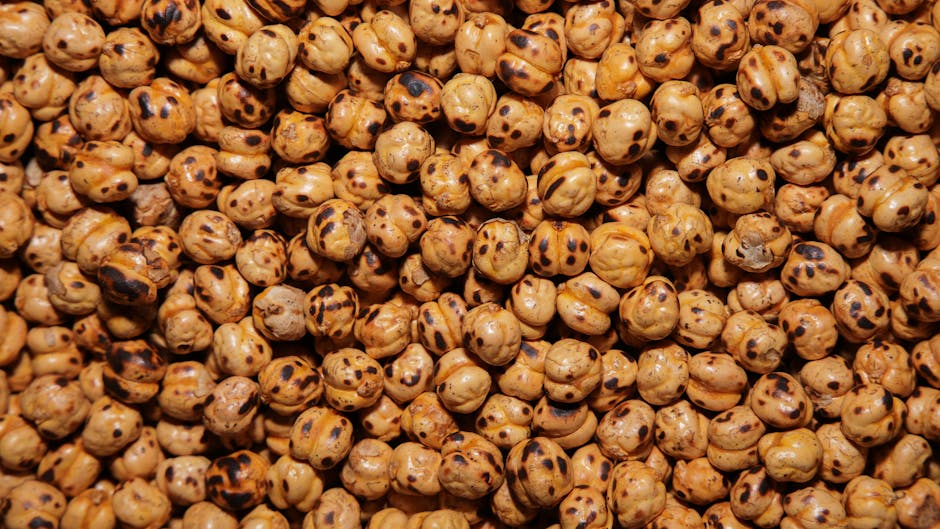
Chickpeas (approximately 7 grams per half cup, cooked)
Chickpeas are incredibly versatile. Roast them for a crunchy snack, blend them into hummus, toss them into salads, or mash them with seasoning for a quick sandwich filling that mimics tuna salad. Chickpea flour can also be used to make savory pancakes and fritters.
Black Beans (approximately 8 grams per half cup, cooked)
Black beans are a staple in Latin American cooking and work beautifully in tacos, burritos, soups, and veggie burgers. Their creamy interior and mild flavor make them one of the most crowd-pleasing legumes for people new to plant-based eating.
Edamame
Protein: approximately 9 grams per half cup
Edamame are young, green soybeans with a slightly sweet, nutty taste. They make a quick high-protein snack on their own, and shelled edamame can be tossed into salads, pasta dishes, grain bowls, and stir-fries. They are available frozen in most grocery stores and cook in just a few minutes.
Nutritional Yeast
Protein: approximately 8 grams per quarter cup
Nutritional yeast is a deactivated yeast that comes in flakes or powder form. It has a savory, cheese-like flavor that makes it invaluable in plant-based cooking. Sprinkle it on popcorn, stir it into pasta sauce for a cheesy richness, or use it as a base for vegan cheese sauces. It is also a reliable source of B vitamins, including B12 in fortified versions.
Quinoa
Protein: approximately 8 grams per cup, cooked
Quinoa is one of the few plant foods that contains all nine essential amino acids, making it a complete protein. Use it as a base for grain bowls, stir it into salads, or serve it as a side dish in place of rice. It cooks in about 15 minutes and has a mild, slightly nutty flavor that pairs well with almost anything.
Hemp Seeds
Protein: approximately 10 grams per 3 tablespoons
Hemp seeds (also called hemp hearts) are small, soft seeds with a pleasant, mildly nutty taste. They require no cooking and can be sprinkled directly onto salads, yogurt, oatmeal, smoothies, and toast. They are also rich in omega-3 and omega-6 fatty acids, making them a nutritional powerhouse.
Jackfruit: The Texture Mimic
Protein: approximately 3 grams per cup (lower than others, but valued for texture)
Young green jackfruit has a stringy, fibrous texture that closely resembles pulled pork or shredded chicken when cooked. It absorbs sauces and seasonings well, making it perfect for barbecue sandwiches, tacos, and curries. While jackfruit is lower in protein than other options on this list, it excels at replicating the texture of meat in a way that other plant foods cannot. Pair it with a higher-protein side like beans or quinoa to round out the meal.
Mushrooms: Umami and Substance
Protein: approximately 3 grams per cup (valued primarily for flavor and texture)
Mushrooms bring the deep, savory umami flavor that is often associated with meat. Portobello caps can be grilled and served as burger patties. Finely chopped cremini or shiitake mushrooms can be mixed with ground meat or lentils to create a blended burger or taco filling. King oyster mushrooms, when scored and seared, develop a texture remarkably similar to scallops. Mushrooms are low in calories but add tremendous depth of flavor to any dish.
Building Balanced Plant-Based Meals
The most important thing to remember about plant-based protein is that variety matters. No single plant food needs to provide all your protein for the day. Combining legumes with grains, adding seeds to salads, and incorporating different protein sources throughout the week ensures you get a full range of amino acids and nutrients.
Start with the swaps that appeal to you most, learn to cook them well, and expand your repertoire over time. Plant-based eating is not about restriction — it is about discovering how many delicious options are available once you start looking.
Topics
Related Articles
How to Make Any Recipe Allergy-Friendly
Learn proven strategies for adapting your favorite recipes to accommodate common food allergies without sacrificing taste or texture.
Going Dairy-Free: A Beginner's Complete Guide
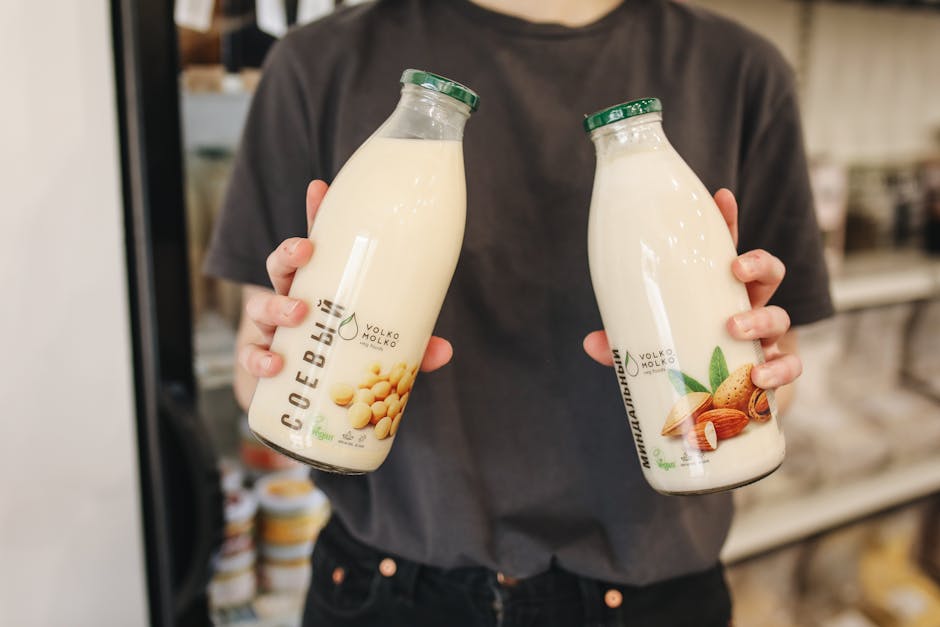
Making the switch to dairy-free doesn't have to be overwhelming. This guide covers everything from milk alternatives to cheese substitutes.