How to Make Any Recipe Allergy-Friendly
Learn proven strategies for adapting your favorite recipes to accommodate common food allergies without sacrificing taste or texture.

Cooking for someone with food allergies can feel daunting, but it does not have to mean giving up your favorite recipes. With the right knowledge and a few reliable substitutions, you can adapt nearly any dish to be safe and delicious. This guide walks you through a practical approach to allergy-friendly cooking.
Start by Identifying the Allergens
Before making any swaps, read the entire recipe and highlight every ingredient that contains or may contain an allergen. Pay attention to less obvious sources: Worcestershire sauce contains anchovies, many broths contain soy, and some baking powders include cornstarch or wheat starch. Understanding where allergens hide is the first and most important step.
The top eight allergens account for roughly 90 percent of all food allergy reactions: milk, eggs, peanuts, tree nuts, wheat, soy, fish, and shellfish. Knowing this list helps you quickly scan any recipe for potential problems.
Dairy Substitutions
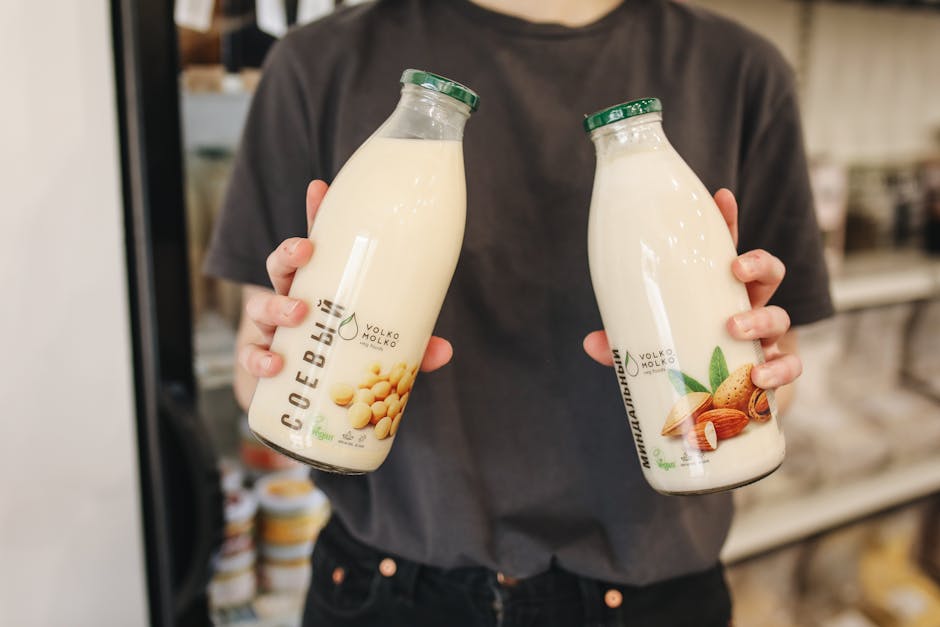
Dairy is one of the easiest allergens to work around thanks to the wide range of plant-based alternatives now available.
- Milk — Oat milk works best in baking and savory dishes. Use it as a 1:1 replacement.
- Butter — Vegan butter or coconut oil in equal amounts. For savory cooking, olive oil often works well.
- Cheese — Nutritional yeast adds cheesy flavor to sauces. For melting applications, look for cashew-based or coconut-based cheese alternatives.
- Heavy cream — Full-fat coconut cream whips and thickens similarly. Blend soaked cashews with water for a neutral-flavored cream.
- Yogurt and sour cream — Coconut yogurt or cashew-based sour cream are the closest matches in both texture and tang.
Gluten and Wheat Substitutions
Replacing wheat requires understanding what gluten does in a recipe: it provides structure and elasticity.
- All-purpose flour — A quality gluten-free flour blend (one that includes xanthan gum) works as a 1:1 swap in most recipes. For simpler applications like thickening sauces, use cornstarch or arrowroot powder.
- Breadcrumbs — Crushed gluten-free crackers, almond meal, or rolled oats (certified gluten-free) all work as coatings and binders.
- Pasta — Rice pasta, chickpea pasta, or lentil pasta hold up well in most dishes.
- Soy sauce — Tamari (check the label for wheat-free versions) or coconut aminos provide the same umami depth.
Egg Substitutions
Eggs serve three main functions in cooking: binding, leavening, and adding moisture. Choose your substitute based on which role the egg plays.
- For binding (cookies, meatballs, veggie burgers) — One flax egg (1 tablespoon ground flax plus 3 tablespoons water, rested 5 minutes) or one chia egg made the same way.
- For leavening (cakes, muffins) — 1/4 teaspoon baking soda plus 1 tablespoon apple cider vinegar per egg.
- For moisture (quick breads, brownies) — 1/4 cup unsweetened applesauce or mashed banana per egg.
- For emulsification (custards, quiches) — 1/4 cup silken tofu, blended smooth, per egg.
Nut Substitutions
Nut allergies require extra vigilance because tree nuts appear in unexpected places, from pesto to pie crusts.
- Peanut butter — Sunflower seed butter or tahini are the most reliable swaps. Soy nut butter is another option if soy is safe.
- Almond flour — Sunflower seed flour or oat flour works in most baking recipes, though the texture will be slightly different.
- Crushed nut toppings — Toasted seeds (pumpkin, sunflower, or hemp) provide similar crunch.
- Nut milks — Oat milk or coconut milk are naturally nut-free and work in all the same applications.
Soy Substitutions
Soy hides in many processed ingredients, so check labels carefully for soy lecithin, soybean oil, and hydrolyzed soy protein.
- Soy sauce — Coconut aminos are the best substitute, offering a similar salty-sweet depth with no soy.
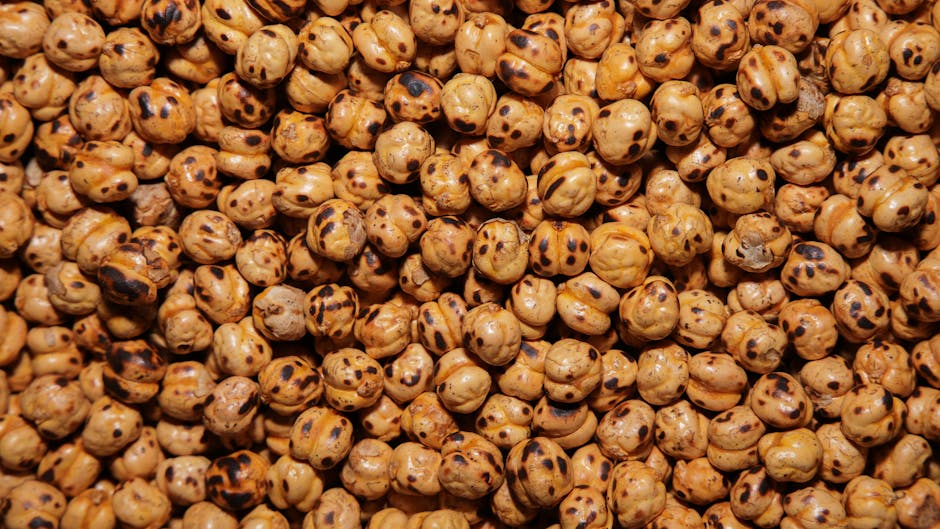
- Tofu — Chickpea tofu (also called Burmese tofu) provides a similar texture and protein content.
- Soy milk — Oat milk or rice milk are neutral-flavored alternatives.
- Edamame — Lima beans or fava beans make a reasonable textural stand-in.
Avoiding Cross-Contamination
Substituting ingredients is only half the battle. Cross-contamination can trigger serious reactions, so take these precautions seriously.
- Clean all surfaces and utensils thoroughly before preparing allergy-friendly food. Traces of allergens can linger on cutting boards, mixers, and baking sheets.
- Use separate cooking tools when possible, especially for frying oil, wooden spoons, and non-stick pans that may retain residue.
- Read every label every time. Manufacturers change formulations without warning. A product that was safe last month may not be safe today.
- When in doubt, make it from scratch. Homemade sauces, dressings, and spice blends eliminate the risk of hidden allergens in processed ingredients.
Maintaining Flavor and Texture
The most common complaint about allergy-friendly cooking is that the results taste bland or have an odd texture. These tips help avoid that.
- Season generously. When you remove a flavorful ingredient like cheese or soy sauce, increase herbs, spices, and acid (citrus juice or vinegar) to compensate.
- Add fat where needed. Eggs and dairy contribute richness. When you remove them, a drizzle of quality olive oil or a spoonful of coconut cream keeps dishes from feeling flat.
- Do not swap more than two major ingredients at once. If a recipe requires multiple substitutions, test them one at a time so you can identify what works and what needs adjustment.
Adapting recipes for food allergies becomes second nature with practice. Start with simple swaps, build confidence, and soon you will be modifying any recipe without a second thought.
Topics
Related Articles
Going Dairy-Free: A Beginner's Complete Guide
Making the switch to dairy-free doesn't have to be overwhelming. This guide covers everything from milk alternatives to cheese substitutes.
The Ultimate Guide to Plant-Based Protein Swaps
Whether you're fully vegan or just cutting back on meat, these plant-based protein alternatives will keep your meals satisfying and nutritious.