Going Dairy-Free: A Beginner's Complete Guide
Making the switch to dairy-free doesn't have to be overwhelming. This guide covers everything from milk alternatives to cheese substitutes.
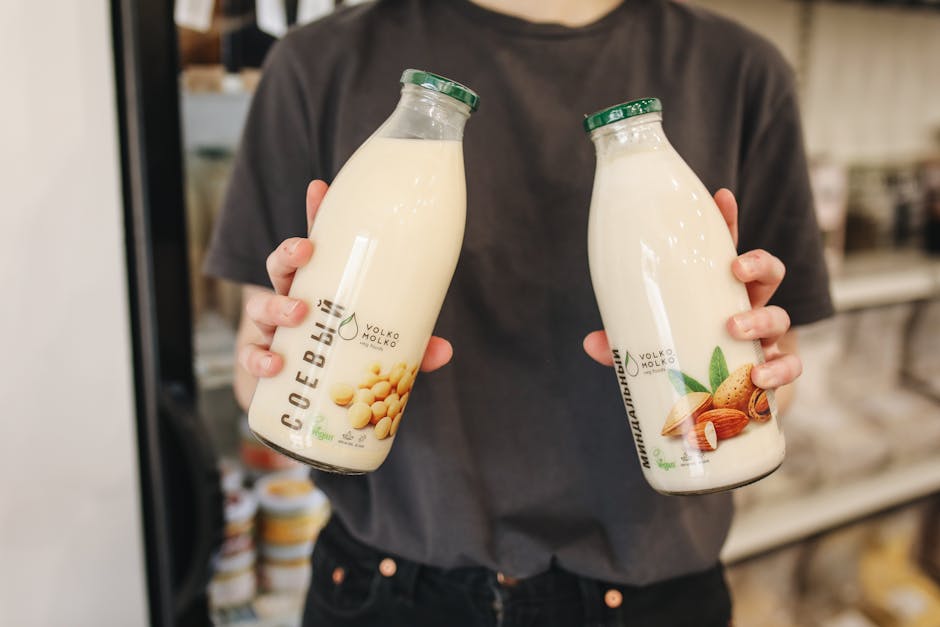
Whether you are managing lactose intolerance, a dairy allergy, or simply exploring a plant-based lifestyle, going dairy-free is more accessible today than ever before. The number of high-quality alternatives has exploded in recent years, and with a little guidance, you can find satisfying replacements for every dairy product in your kitchen.
Why People Go Dairy-Free
People choose to eliminate dairy for a variety of reasons. Lactose intolerance affects an estimated 68 percent of the global population and causes digestive discomfort after consuming milk products. Dairy allergies, which involve an immune response to milk proteins like casein and whey, require strict avoidance. Others make the switch for ethical reasons, environmental concerns, or simply because they feel better without dairy in their diet.
Whatever your reason, the transition works best when you approach it systematically rather than trying to overhaul your entire kitchen overnight.
Milk Alternatives: Choosing the Right One
Not all plant milks are interchangeable. Each has strengths that make it better suited for specific uses.
Oat Milk
Oat milk is the most versatile all-around option. Its creamy texture and neutral flavor make it excellent for coffee, cereal, baking, and savory cooking. It froths well for lattes and performs reliably in sauces and soups. Look for barista-style versions if steaming and frothing are important to you.
Almond Milk
Lighter and thinner than oat milk, almond milk works well in smoothies, light baking, and drinking straight. It has a subtle nutty flavor that complements granola and cereal. However, its thin consistency makes it a poor choice for creamy sauces or recipes that depend on richness.
Soy Milk
Soy milk has the highest protein content of any plant milk, making it the closest nutritional match to cow’s milk. It performs well in baking, cooking, and anywhere you need body and protein. Its slightly beany flavor is barely noticeable in cooked applications.
Coconut Milk
Canned full-fat coconut milk is the go-to for rich curries, soups, and whipped toppings. The cream that rises to the top of a chilled can whips into a convincing alternative to heavy cream. Coconut milk beverages in cartons are thinner and work for lighter applications like cereal and smoothies.
Butter Replacements
Butter is one of the simplest dairy products to replace.
- Vegan butter (such as Miyoko’s or Earth Balance) works as a 1:1 substitute in baking, cooking, spreading on toast, and making sauces. For the best results in pastry, choose a vegan butter with a high fat content.
- Coconut oil substitutes well in baking at a 1:1 ratio. Use refined coconut oil for a neutral flavor or virgin for a subtle coconut taste.
- Olive oil works in savory cooking, roasting vegetables, and some baking applications where a rich, fruity flavor is welcome.
Cheese Alternatives
Cheese is often cited as the hardest dairy product to give up, but the alternatives have improved dramatically.
- Nutritional yeast delivers a savory, cheesy flavor to pasta, popcorn, and sauces. It will not melt or stretch, but it satisfies the craving for cheesy taste.
- Cashew-based cheeses are the creamiest and most versatile. They work well as spreads, in sauces, and as ricotta substitutes in lasagna.
- Coconut oil-based shreds melt and stretch the best for pizza and grilled sandwiches. Brands vary widely in quality, so experiment to find one you like.
- Homemade Parmesan made from blended cashews, nutritional yeast, garlic powder, and salt is a simple recipe that tastes remarkably close to the real thing.
Cream and Sour Cream Swaps
- Heavy cream — Full-fat coconut cream is the best match. Chill the can overnight, scoop out the solid cream, and use it in soups, sauces, or whipped as a topping.
- Sour cream — Cashew-based sour cream or coconut cream blended with a squeeze of lemon juice produces a tangy, thick result that works on tacos, baked potatoes, and in dips.
- Cream cheese — Brands like Kite Hill and Miyoko’s make excellent plant-based cream cheese for bagels, frostings, and cheesecakes.
Yogurt Options
Coconut yogurt and oat-based yogurt are the most widely available dairy-free options. Coconut yogurt tends to be richer, while oat-based versions have a milder flavor. For cooking and baking, either works well as a 1:1 replacement for traditional yogurt. If you use yogurt primarily for its protein content, look for soy-based yogurt, which typically offers 6 to 8 grams of protein per serving.
Tips for Reading Labels
Dairy hides under many names on ingredient lists. Watch for these terms: casein, whey, lactose, ghee, curds, milk solids, and lactalbumin. The phrase “may contain milk” indicates the product is manufactured in a facility that also processes dairy, which matters for people with severe allergies but is generally safe for those with lactose intolerance.
Also be cautious with “non-dairy” labels. Surprisingly, products labeled non-dairy (such as some coffee creamers) can still contain casein, a milk protein. Always read the full ingredient list rather than relying on front-of-package claims.
Cooking Adjustments
Making dairy-free versions of your favorite recipes sometimes requires small tweaks beyond simple substitution.
- Sauces may need a thickener. Plant milks are often thinner than whole cow’s milk. Add a teaspoon of cornstarch or arrowroot to maintain the body of a cream sauce.
- Baked goods may need extra fat. If you replace whole milk with a low-fat plant milk, add a tablespoon of oil to compensate for the lost richness.
- Acidity helps. A splash of lemon juice or apple cider vinegar brightens the flavor of dairy-free dishes, compensating for the tangy complexity that dairy naturally provides.
Going dairy-free is a process, not an overnight switch. Start by replacing the dairy products you use most, find the brands and alternatives you genuinely enjoy, and expand from there. Within a few weeks, your new routine will feel completely natural.
Topics
Related Articles

How to Make Any Recipe Allergy-Friendly
Learn proven strategies for adapting your favorite recipes to accommodate common food allergies without sacrificing taste or texture.
The Ultimate Guide to Plant-Based Protein Swaps
Whether you're fully vegan or just cutting back on meat, these plant-based protein alternatives will keep your meals satisfying and nutritious.