
Cooking
Substitute for Tamarind Paste
No tamarind paste? Mix 2 tsp lime juice with 1 tsp brown sugar per tablespoon, use half as much tamarind concentrate, or pomegranate molasses cut with lime.
- vegetarian
- vegan
- gluten free
Quick answer
Out of tamarind paste? The most versatile swaps:
- 1
Lime juice + brown sugar
2 tsp lime juice + 1 tsp brown sugar for 1 tbsp paste
- 2
Tamarind concentrate
Half the amount
- 3
Pomegranate molasses + lime juice
2 tsp pomegranate molasses + 1 tsp lime juice for 1 tbsp paste
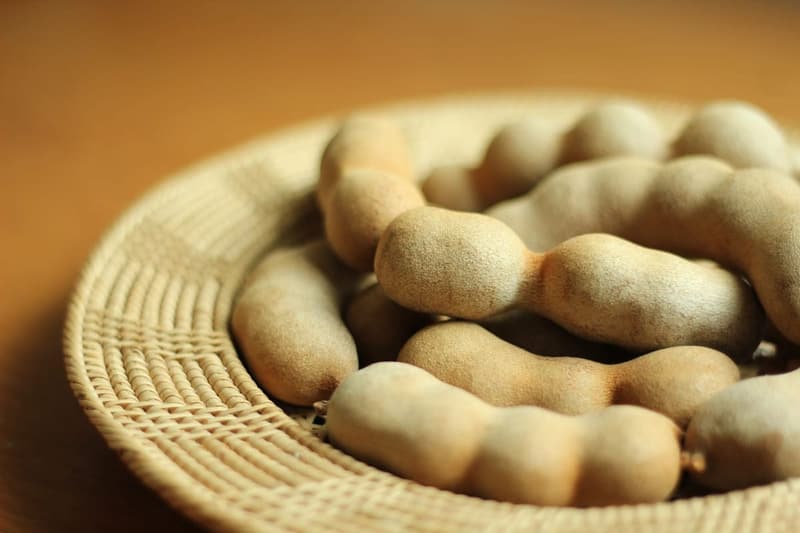
Tamarind paste is the strained pulp of the tamarind pod, and its value lies in being sour and fruity-sweet at the same time. It gives pad Thai its tang, balances heat in South Indian sambar and rasam, sharpens chutneys and Mexican agua de tamarindo, and adds body to sauces. Lime or vinegar alone supplies only half of that, which is why the best swaps pair an acid with something sweet and dark.
Thai and Southeast Asian dishes
Pad Thai sauce is tamarind, fish sauce and palm sugar in balance. Lime juice with brown sugar keeps that balance; mix it into the sauce, then taste and adjust with more fish sauce or sugar. The sauce is thinner, so let it reduce briefly in the wok before adding the noodles. For dipping sauces and som moo-style marinades, the same mix works raw.
Indian cooking
In sambar, rasam, tamarind rice and chutneys, the sour backbone matters most. Tamarind concentrate is the easiest swap if available; use half as much and dilute it. Amchur adds sourness to dry dishes and dals without liquid. Lime juice works too, stirred in at the end so its brightness survives.
Sauces, glazes and drinks
Barbecue sauce, glazes for ribs and Middle Eastern stews benefit from pomegranate molasses with lime, which has the closest thickness and color. Worcestershire sauce already contains tamarind and works in small amounts in barbecue sauce and marinades. For agua de tamarindo or candies, there is no real stand-in; the drink tastes of tamarind or of something else.
When not to substitute
Dishes named for tamarind, such as tamarind chutney (imli), tamarind rice (puliyodarai) or agua de tamarindo, depend on its specific fruity sourness, so swaps produce a different dish. If tamarind is a background note in a large curry or sauce, the swaps above work well.
Common mistakes
- Using concentrate one-for-one. It is much stronger, so the dish turns sharp and dark.
- Replacing tamarind with lime alone. The sauce tastes thin and harsh without the sweetness.
- Adding Worcestershire with full salt. It is salty, so the dish becomes oversalted.
- Leaving seeds and fibers in homemade paste. Strain the soaked pulp through a sieve.
All 5 substitutes at a glance
| Substitute | Ratio | Best for | Notes |
|---|---|---|---|
| Lime juice + brown sugar CookingRaw & finishing | 2 tsp lime juice + 1 tsp brown sugar for 1 tbsp paste | pad Thai, curries, chutneys, dipping sauces | Lime supplies the sourness and the molasses in brown sugar a hint of tamarind's dark, fruity sweetness. Thinner and brighter than paste; simmer the sauce a minute longer to thicken it. |
| Tamarind concentrate CookingRaw & finishing | Half the amount | sambar, rasam, curries, barbecue sauce | Cooked-down tamarind: nearly black, thick and stronger. Its flavor is more acidic and less fruity than paste. Loosen it with a little water so it mixes evenly, then taste before adding more. |
| Pomegranate molasses + lime juice CookingRaw & finishing | 2 tsp pomegranate molasses + 1 tsp lime juice for 1 tbsp paste | glazes, marinades, lentil dishes, Middle Eastern stews | Closest in body and dark color. Pomegranate molasses is sweeter and less sour than tamarind, so the lime evens out the balance. The fruit tastes of pomegranate. |
| Amchur (dried mango powder) Cooking | To taste, starting with ½ tsp | chana masala, potato dishes, chutneys, dals | A sour Indian seasoning made from dried green mango. It adds tartness without liquid or sweetness, so add a pinch of jaggery or brown sugar where tamarind's sweetness matters. |
| Worcestershire sauce Cooking | To taste, a teaspoon at a time | barbecue sauce, marinades, burgers, stews | Tamarind is one of its ingredients, along with vinegar, molasses and usually anchovy. Salty and savory, so cut other salt; not suitable for vegetarian or vegan cooking unless the label says so. |
Substitute calculator
How much tamarind paste does your recipe call for?
- Lime juice + brown sugar2 tsp lime juice + 1 tsp brown sugar
- Tamarind concentrate1½ tsp tamarind concentrate
- Pomegranate molasses + lime juice2 tsp pomegranate molasses + 1 tsp lime juice
- Amchur (dried mango powder)To taste, starting with ½ tsp
- Worcestershire sauceTo taste, a teaspoon at a time
Amounts are rounded to practical kitchen measures. Swaps without a fixed ratio, or that can't be measured in the unit you picked, show their ratio instead.
Frequently asked questions
What is the difference between tamarind paste and concentrate?
Paste is tamarind pulp soaked and strained: amber-brown, ketchup-thick and fruity. Concentrate is boiled down further, nearly black and sharper. Milk Street's cooking team suggests using about half as much concentrate as pulp a recipe calls for.
How do I make paste from a tamarind block?
Break off a piece of the compressed pulp, cover it with hot water and leave it until soft. Squeeze and mash it with your fingers, then press it through a sieve, discarding seeds and fibers. Thicker paste is stronger, so adjust the water to the recipe.
Can I use lemon juice instead of tamarind?
Yes, in place of lime in the lime and brown sugar mix. Lemon is equally sour and slightly less floral. Lemon juice alone, without sugar, makes pad Thai or chutney taste harsh, because tamarind is sweet as well as sour.
Is tamarind paste the same in Thai, Indian and Mexican recipes?
Same fruit, different preparations. Thai and Indian recipes usually mean the strained sour paste. Mexican drinks and candies often use sweet tamarind pods or sweetened pulp, so check whether the recipe expects added sugar.
Sources
More cooking substitutes
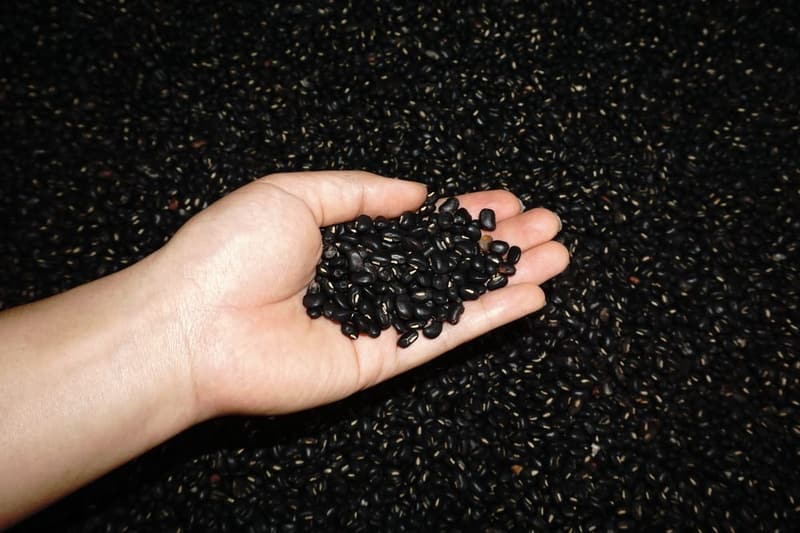
Substitute for Black Beans
No black beans? Swap cooked pinto beans cup for cup in burritos and refried beans, kidney beans in chili, and chickpeas in salads. One 15-oz can is 1½ cups.
Read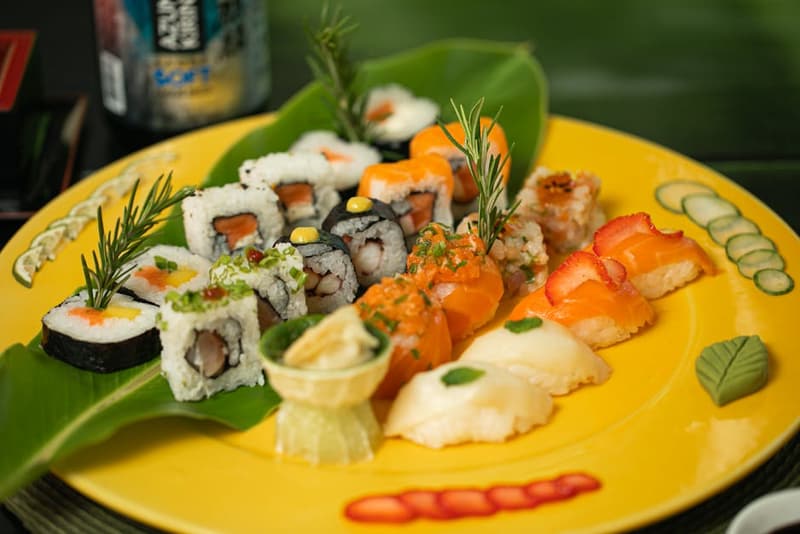
Substitute for Fish Sauce
No fish sauce? Use 1 tbsp soy sauce plus ¼ tsp salt per tablespoon, mashed anchovies for real fish depth, or coconut aminos with salt if avoiding soy.
Read
Substitute for Fresh Cilantro
No cilantro, or can't stand it? Use flat-leaf parsley with lime zest 1:1 in salsas, culantro at half, Thai basil in curries. Dried cilantro barely works.
Read
Substitute for Fresh Ginger
No fresh ginger? Use ⅛ tsp ground ginger per tablespoon grated in baking and slow dishes, frozen or jarred ginger 1:1 in stir-fries and sauces.
Read