
Cooking
Substitute for Quinoa
Out of quinoa? Use cooked millet cup for cup for a gluten-free swap, bulgur or pearl couscous in salads, and brown rice in bowls. Ratios, cook times, gluten notes.
- vegetarian
- vegan
- gluten free
Quick answer
Out of quinoa? The most versatile swaps:
- 1
Millet
1 cup cooked for 1 cup cooked quinoa
- 2
Bulgur wheat
1 cup cooked or soaked for 1 cup cooked quinoa
- 3
Pearl (Israeli) couscous
1 cup cooked for 1 cup cooked quinoa
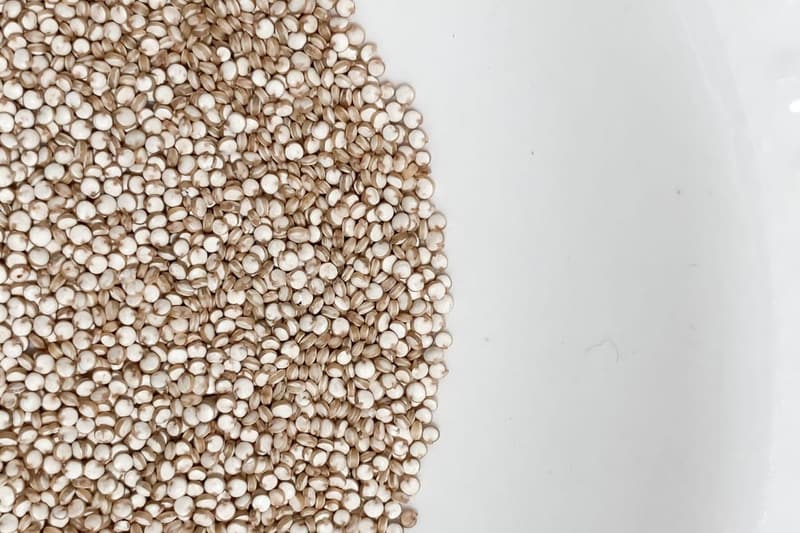
Quinoa is a small seed that cooks quickly into separate, lightly chewy grains with a faint crunch from the curled germ. It is naturally gluten-free and is often chosen because it is a complete protein. A substitute should match the grain size and texture for the dish, and the gluten-free status if that is why quinoa was in the recipe.
Salads and grain bowls
Cold salads need a grain that stays separate after dressing. Bulgur is the easiest swap: soak it in boiling water, fluff and dress it like a tabbouleh. Pearl couscous gives larger, slicker beads and suits roasted vegetables and feta. For a gluten-free salad, millet cooked with a little less water than usual stays loose. Farro and barley add a sturdier chew that stands up to bold dressings and keeps well for days.
Warm sides, pilafs and stuffings
For a pilaf or stuffed peppers, brown rice is the most familiar replacement. Cook it fully before stuffing; it will not soften in the time quinoa would. Millet toasted in oil, then simmered in stock, makes a light, fluffy pilaf similar to quinoa’s.
Swapping uncooked grains
When a recipe cooks quinoa in the dish itself, such as a soup, casserole or one-pot meal, the substitute has to absorb the same liquid in the same time. Uncooked bulgur and couscous cook faster; brown rice, farro and barley much slower and with more liquid. The safest approach is to cook the substitute separately and add it near the end, measured as cooked grain.
When not to substitute
If a guest has celiac disease or a wheat allergy, only gluten-free grains will do: millet, brown rice or buckwheat. Recipes that count on quinoa’s protein, such as a vegan bowl where it is the main protein, lose some with rice or couscous; add beans, tofu or edamame. Quinoa flour in baking is a separate case and is not replaced by these whole grains.
Common mistakes
- Swapping uncooked grains into a fixed-liquid recipe. Brown rice stays hard and farro stays chalky in the time and water meant for quinoa.
- Using amaranth as a drop-in. It is gluten-free too, but it cooks into a sticky porridge, not separate grains.
- Overcooking millet in salads. Too much water turns it into mush that clumps when dressed.
- Forgetting that bulgur and couscous are wheat. They look like grains of rice or quinoa but contain gluten.
All 5 substitutes at a glance
| Substitute | Ratio | Best for | Notes |
|---|---|---|---|
| Millet CookingRaw & finishing | 1 cup cooked for 1 cup cooked quinoa | gluten-free salads, pilafs, stuffed peppers, breakfast porridge | Tiny gluten-free grains of nearly the same size, with a mild corn-like taste. Cooked with less water it stays fluffy and separate; with more water and stirring it turns creamy. Toast it dry in the pan first for a nuttier flavor. |
| Bulgur wheat Raw & finishingCooking | 1 cup cooked or soaked for 1 cup cooked quinoa | tabbouleh-style salads, grain bowls, stuffings, meatless chili | Parboiled cracked wheat, so fine bulgur only needs soaking in boiling water. The texture is close to quinoa's soft chew in salads. Contains gluten. |
| Pearl (Israeli) couscous Raw & finishingCooking | 1 cup cooked for 1 cup cooked quinoa | cold salads, side dishes, soups, roasted vegetable bowls | Toasted wheat pasta balls, larger and smoother than quinoa, and quick to cook. Rinse after cooking for salads so they do not stick together. Contains gluten. |
| Brown rice Cooking | 1 cup cooked for 1 cup cooked quinoa; 1 cup uncooked for 1 cup uncooked | grain bowls, stir-fries, burrito bowls, casseroles | Gluten-free and easy to find. Uncooked, it yields the same three cups as quinoa, but it needs more water and a much longer simmer than quinoa's 15 minutes. The grains are larger and chewier, so it feels heavier in a salad. |
| Farro or pearl barley CookingRaw & finishing | 1 cup cooked for 1 cup cooked quinoa | hearty salads, soups, warm bowls, risotto-style dishes | Much chewier and larger, with a wheaty, nutty flavor that holds up to strong dressings and keeps its bite in soup. Boil them like pasta in plenty of water and drain. Both contain gluten. |
Substitute calculator
How much quinoa does your recipe call for?
- Millet1 cup cooked millet
- Bulgur wheat1 cup soaked fine or medium bulgur
- Pearl (Israeli) couscous1 cup cooked pearl couscous
- Brown rice1 cup cooked brown rice
- Farro or pearl barley1 cup cooked farro or pearl barley
Amounts are rounded to practical kitchen measures. Swaps without a fixed ratio, or that can't be measured in the unit you picked, show their ratio instead.
Frequently asked questions
How much does quinoa expand when cooked?
One cup of dry quinoa cooked in two cups of liquid yields about three cups, according to the Harvard T.H. Chan School of Public Health. When a recipe gives cooked quinoa, measure the substitute after cooking as well.
What is the best gluten-free substitute for quinoa?
Millet is the closest in size and cooks in a similar time. Brown rice, buckwheat groats and amaranth are also gluten-free. Bulgur, couscous, farro and barley are wheat or barley products and are not safe for celiac disease.
Do I need to rinse quinoa substitutes?
Quinoa is rinsed to remove bitter saponins on its surface. Millet, rice and bulgur do not have that coating; rinse rice only to remove loose starch. Cooked pearl couscous is rinsed after cooking, not before.
Can I swap quinoa for rice in a recipe?
Yes. Both yield about three cups cooked per cup of uncooked grain, so the amounts match. Brown rice needs more water and a longer simmer, so cook it separately rather than following the quinoa timing.
Sources
- Quinoa, Harvard T.H. Chan School of Public Health, The Nutrition Source
- Ingredient Substitutions (E-131), New Mexico State University Cooperative Extension Service
More cooking substitutes
Substitute for Almond Butter
Cashew butter is the mildest 1:1 swap for almond butter; peanut butter works 1:1 with less added salt. For nut-free cooking, use sunflower seed butter 1:1.
Read
Substitute for Black Beans
No black beans? Swap cooked pinto beans cup for cup in burritos and refried beans, kidney beans in chili, and chickpeas in salads. One 15-oz can is 1½ cups.
Read
Substitute for Coconut Oil
No coconut oil? Use shortening 1:1 where it must stay solid, butter or vegan butter 1:1 in most baking, and a neutral oil 1:1 when the recipe melts it.
ReadSubstitute for Mayonnaise
Out of mayo? Greek yogurt or sour cream swap 1:1 in salads and dressings, vegan mayo 1:1 everywhere, and mashed avocado works spread on sandwiches.
Read