
Cooking
Substitute for Peanut Butter
Sunflower seed butter replaces peanut butter 1:1 and is free of the major allergens; almond or cashew butter work 1:1 where tree nuts are safe. Tahini suits sauces.
- vegetarian
- vegan
- gluten free
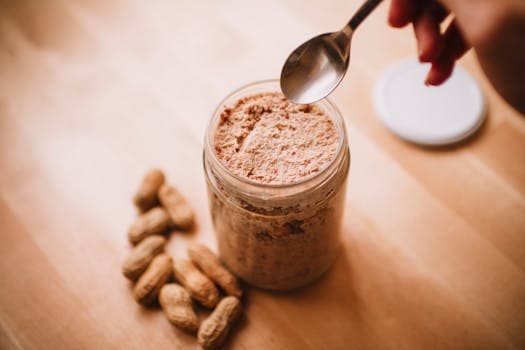
Quick answer
Out of peanut butter? The most versatile swaps:
- 1
Sunflower seed butter
1:1
- 2
Almond butter
1:1
- 3
Cashew butter
1:1
Peanut butter is roasted peanuts ground into a paste of fat and protein. Under the US standard of identity, seasonings and stabilizers may make up no more than 10% of it, and any oil added as a stabilizer must be hydrogenated; that stabilizer is what keeps commercial jars from separating. In recipes it binds, adds fat and gives a strong roasted flavor. Most other seed and nut butters do the first two jobs at the same measure; the flavor and the allergy profile are what change.
Baking
Sunflower seed butter and soy nut butter handle peanut butter cookies and bars cup for cup, and soy nut tastes closest. Almond and cashew butter are usually sold unstabilized, so they behave like natural peanut butter: the dough is looser and the cookies spread. Chill the dough before shaping, and press the fork marks in more lightly.
Sauces and dressings
Satay, peanut noodles and West African peanut stew use peanut butter to thicken and flavor the sauce. Cashew butter thickens best; sunflower seed butter brings more roasted depth. Tahini works in cold noodle sauces and dressings, provided its bitterness is balanced with sweetness and acid. Thin any substitute gradually with warm water, since some seize when liquid is added fast.
Sandwiches, smoothies and snacks
Everything here works 1:1. For a peanut-free lunchbox, sunflower seed butter is the standard. Almond butter blends more thinly into smoothies.
When not to substitute
- Anywhere peanut allergy is the concern and the swap is another allergen. Almond, cashew, soy and sesame butters are all on the FDA’s major allergen list, and some people allergic to peanuts also react to tree nuts.
- Peanut brittle, peanut butter fudge and buckeyes, where peanut flavor is the dish; another butter makes a different confection.
- Recipes using powdered peanut butter for low fat. A full-fat substitute makes them greasy.
Common mistakes
- Not stirring natural nut butters. The oil left on top makes the first batch greasy and the end of the jar dry and stiff.
- Ignoring salt and sugar. Unsweetened almond or cashew butter makes peanut butter cookies taste flat.
- Assuming seed butters are always safe. Check for shared-facility warnings.
- Using tahini in a sweet bake as is. Its bitterness shows through; reserve it for savory dishes or halva-style recipes.
All 5 substitutes at a glance
| Substitute | Ratio | Best for | Notes |
|---|---|---|---|
| Sunflower seed butter BakingCookingRaw & finishing | 1:1 | school lunches, peanut butter cookies, energy balls, satay-style sauce | Not among the FDA's nine major allergens, which makes it the usual choice for nut-free classrooms. Tastes earthier and is often sweetened. In baking-soda doughs it can develop green flecks as it cools; halving the soda reduces it. |
| Almond butter BakingCookingRaw & finishing | 1:1 | toast, smoothies, blondies, oat bars | Similar fat and protein, milder and less roasted in flavor. Most jars are just ground almonds, so add a pinch of salt and a little sugar when replacing a salted, sweetened peanut butter. Tree nut allergen. |
| Cashew butter CookingRaw & finishingBaking | 1:1 | curry sauces, creamy dressings, dips, no-bake bars | Softer, creamier and sweeter, with little nutty bite. It thickens a sauce smoothly without dominating it. Cookies made with it spread more and stay pale. Tree nut allergen. |
| Soy nut butter BakingRaw & finishing | 1:1 | sandwiches, cookies, snack bars, dipping apples | Ground roasted soybeans, a legume like the peanut, with the closest roasted taste. Free of peanuts and tree nuts, but soy is itself a major allergen. Slightly grainier; cookies come out denser. |
| Tahini CookingRaw & finishing | 1:1 | cold noodle sauce, dressings, dipping sauces, glazed vegetables | Runnier and more bitter than peanut butter. In a savory sauce, add a teaspoon of honey or sugar and a squeeze of lime per quarter cup. Sesame became the ninth US major allergen in 2023, so it is not a safe swap in shared settings. |
Substitute calculator
How much peanut butter does your recipe call for?
- Sunflower seed butter1 cup sunflower seed butter
- Almond butter1 cup almond butter
- Cashew butter1 cup cashew butter
- Soy nut butter1 cup soy nut butter
- Tahini1 cup tahini
Amounts are rounded to practical kitchen measures. Swaps without a fixed ratio, or that can't be measured in the unit you picked, show their ratio instead.
Topics: peanut butternut butterspreadallergiesprotein All cooking guides
Frequently asked questions
Which peanut butter substitute is safe for a peanut allergy?
Sunflower seed butter is the usual choice because sunflower is not one of the nine US major allergens. Tree nut, soy and sesame butters each carry a different major allergen. Whatever the spread, check that it is made on peanut-free equipment.
Can natural peanut butter replace regular in cookies?
It works, but expect changes. Regular peanut butter contains hydrogenated oil that keeps the oil from separating. Natural peanut butter's free oil makes dough greasier, and cookies spread more and crumble. Stir it well and chill the dough for 30 minutes.
Why did my sunflower seed butter cookies turn green?
Sunflower seeds are rich in chlorogenic acid, which reacts with amino acids in an alkaline dough to form green pigments, according to a Chapman University study. It is a color change only. Less baking soda, or a little lemon juice in the dough, keeps it in check.
What can I use instead of peanut butter in satay sauce?
Sunflower seed butter gives the closest roasted richness; cashew butter is milder and creamier. With either, keep the coconut milk, lime and fish sauce or soy sauce the same and add a little extra chili, since both taste less pronounced than peanut.
Sources
- Food allergies, U.S. Food and Drug Administration
- 21 CFR 164.150: Peanut butter, Legal Information Institute, Cornell Law School
- Preventing chlorogenic acid quinone-induced greening in sunflower cookies (Pepra-Ameyaw et al., LWT, 2023), Chapman University Digital Commons
- Ingredient weight chart, King Arthur Baking
More cooking substitutes
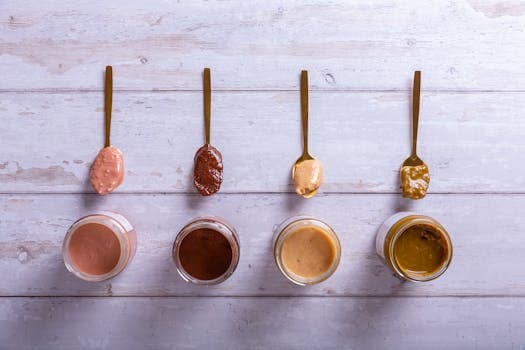
Substitute for Almond Butter
Cashew butter is the mildest 1:1 swap for almond butter; peanut butter works 1:1 with less added salt. For nut-free cooking, use sunflower seed butter 1:1.
Read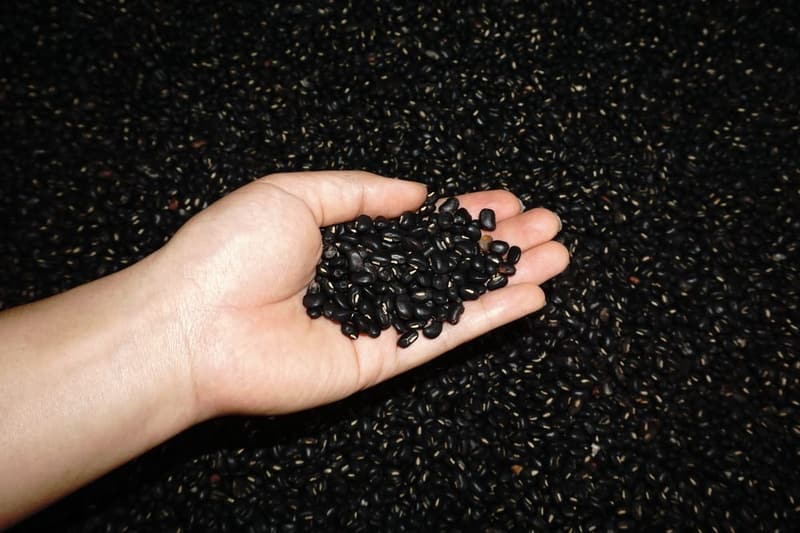
Substitute for Black Beans
No black beans? Swap cooked pinto beans cup for cup in burritos and refried beans, kidney beans in chili, and chickpeas in salads. One 15-oz can is 1½ cups.
Read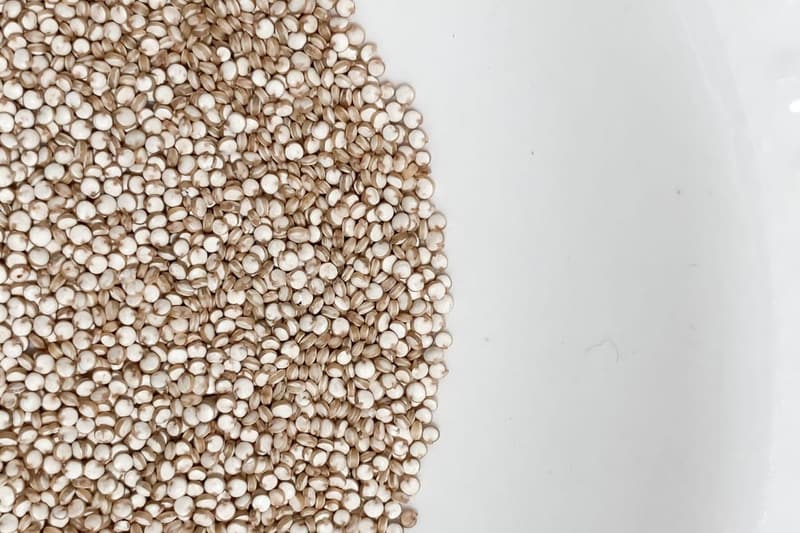
Substitute for Quinoa
Out of quinoa? Use cooked millet cup for cup for a gluten-free swap, bulgur or pearl couscous in salads, and brown rice in bowls. Ratios, cook times, gluten notes.
Read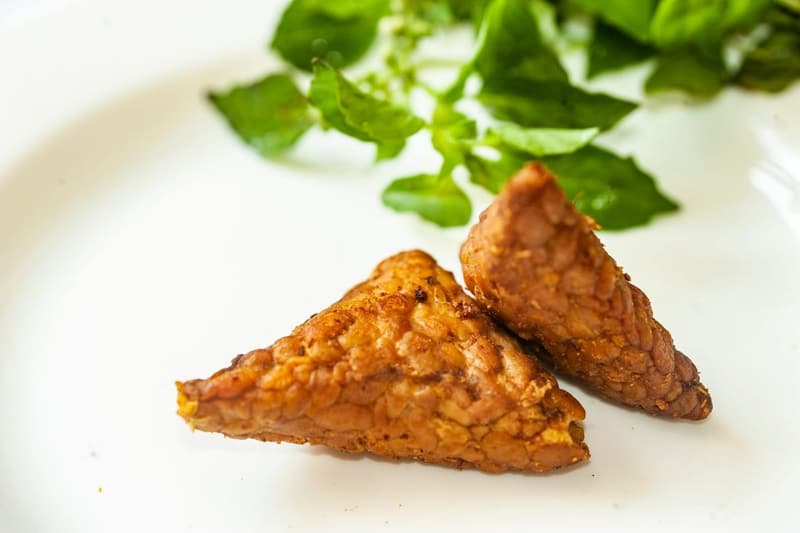
Substitute for Tempeh
No tempeh? Use pressed extra-firm tofu by equal weight for slices and cubes, seitan for chewy strips, and cooked lentils for crumbles in chili or bolognese.
Read