
Cooking
Substitute for Miso Paste
No miso? Use 2 tsp soy sauce per tbsp to match its salt, tahini plus soy sauce for body in dressings, or swap white and red miso with a small adjustment.
- vegetarian
- vegan
Quick answer
Out of miso paste? The most versatile swaps:
- 1
Soy sauce
2 tsp soy sauce for 1 tbsp miso
- 2
Tahini + soy sauce
2 tsp tahini + 1 tsp soy sauce for 1 tbsp miso
- 3
Red miso for white miso
2 tsp red miso for 1 tbsp white miso
Miso adds three things: salt, deep savory flavor from fermented soybeans, and a thick paste that clouds soups and helps dressings cling. Salt is the part most swaps get wrong. USDA FoodData Central lists miso at 3,728 mg sodium per 100 g, or about 634 mg in a 17 g tablespoon, and shoyu soy sauce at 5,493 mg per 100 g, about 879 mg in a 16 g tablespoon. A tablespoon of soy sauce is therefore roughly 40 percent saltier than a tablespoon of miso, while 2 teaspoons (about 580 mg) come close.
White miso and red miso
Recipes often name a specific miso, and the color tells most of the story. White miso is sweet and gentle and suits dressings, glazes for fish and light soups. Red miso is saltier and stronger and suits hearty soups, braises and meat. Swapping one for the other works if the amount is adjusted, as the table shows. Taste first, because salt levels vary between brands as much as between types.
Soups and braises
For miso soup or a braise, soy sauce at 2 teaspoons per tablespoon gives the right salt and savoriness, but the broth stays clear instead of cloudy. A teaspoon of tahini or a little mashed white bean whisked into the broth restores some of that body. Doenjang works well in hearty stews where its stronger funk fits.
Dressings, glazes and dips
Here miso’s thick texture matters as much as its taste. Tahini with soy sauce makes a creamy dressing that emulsifies with oil the way miso does. For a miso-glazed fish or eggplant, a mix of soy sauce, a little sugar or mirin, and tahini caramelizes similarly under the broiler; watch it closely, as the sugar burns fast.
When not to substitute
Miso soup, miso-marinated black cod and miso ramen are named for the paste. Other fermented soybean pastes, doenjang or chickpea miso, keep the character better than any sauce mix.
For anyone with a soy allergy, soy sauce, tamari and doenjang are all made from soybeans. Chickpea miso or tahini with salt are the safe routes.
Common mistakes
- Using soy sauce tablespoon for tablespoon. It carries about 40 percent more sodium per tablespoon, so the dish ends up too salty.
- Using red miso at full strength in a white miso dressing. The dressing turns muddy brown and harsh.
- Boiling the soup after adding miso or its substitute. The aroma cooks off and the flavor goes flat.
- Adding the paste straight to the pot. It clumps; whisk it smooth in a little warm liquid first.
All 6 substitutes at a glance
| Substitute | Ratio | Best for | Notes |
|---|---|---|---|
| Soy sauce CookingRaw & finishing | 2 tsp soy sauce for 1 tbsp miso | soups, stir-fries, marinades, braises | By USDA sodium figures, two thirds the volume matches the salt in miso, and it brings fermented soy savoriness. It is thin and dark, so sauces will not thicken and pale dishes will darken. For white miso's sweetness, add ¼ tsp sugar or mirin. |
| Tahini + soy sauce Raw & finishingCooking | 2 tsp tahini + 1 tsp soy sauce for 1 tbsp miso | salad dressings, dips, glazes, noodle sauces | Tahini supplies the thick, creamy body; the soy sauce supplies about half of miso's salt, so taste and add more if needed. Sesame flavor is noticeable, which suits dressings and cold noodles. |
| Red miso for white miso CookingRaw & finishing | 2 tsp red miso for 1 tbsp white miso | soups, marinades, braises, glazes | Red miso is fermented longer and is typically saltier and more pungent, so use less. It darkens light dishes and can taste heavy in delicate dressings; a pinch of sugar softens it. |
| White miso for red miso CookingRaw & finishing | 1 tbsp white miso + ½ tsp soy sauce for 1 tbsp red miso | miso soup, stews, meat marinades, ramen broth | White miso is milder, sweeter and less salty. The splash of soy sauce brings back salt and some depth, but the result is still lighter in color and flavor. |
| Doenjang (Korean soybean paste) Cooking | 2 tsp for 1 tbsp miso | stews, soups, braised vegetables, marinades | Also fermented soybean paste, but coarser, saltier and much funkier than most miso. Closest in cooked dishes; too strong for raw dressings or white miso glazes. |
| Chickpea miso (soy-free) CookingRaw & finishing | 1:1 | soy allergies, dressings, soups, glazes | Made the same way with chickpeas instead of soybeans. Mild and sweet, so it behaves like white miso; use a little more when replacing red miso. |
Substitute calculator
How much miso paste does your recipe call for?
- Soy sauce2 tsp soy sauce
- Tahini + soy sauce2 tsp tahini + 1 tsp soy sauce
- Red miso for white miso2 tsp red (aka) miso
- White miso for red miso1 tbsp white (shiro) miso + ½ tsp soy sauce
- Doenjang (Korean soybean paste)2 tsp doenjang
- Chickpea miso (soy-free)1 tbsp chickpea miso
Amounts are rounded to practical kitchen measures. Swaps without a fixed ratio, or that can't be measured in the unit you picked, show their ratio instead.
Frequently asked questions
What is the difference between white and red miso?
White (shiro) miso is fermented briefly, often with a high share of rice koji, so it is pale, sweet and mild. Red (aka) miso ferments longer, turning darker, saltier and more pungent. Yellow (shinshu) miso sits between them, and mixed miso (awase) is a blend.
Can I just leave miso out?
In a soup or dressing where miso is the base, no. In a marinade or braise that uses a spoonful for depth, omitting it leaves the dish flatter and less salty; add salt and a little soy sauce instead.
Is miso gluten-free?
Not always. Rice and soybean miso usually are, but barley miso (mugi) contains gluten, and some brands add barley koji. Check the label, and use tamari rather than soy sauce as a substitute for gluten-free cooking.
Should miso be boiled?
Avoid it. Boiling dulls miso's aroma and can make soup grainy. Dissolve the paste in a ladle of hot broth, then stir it into the pot off the boil, as is traditional for miso soup.
Sources
- Miso (FDC ID 172442), USDA FoodData Central
- Soy sauce made from soy and wheat (shoyu) (FDC ID 174277), USDA FoodData Central
More cooking substitutes
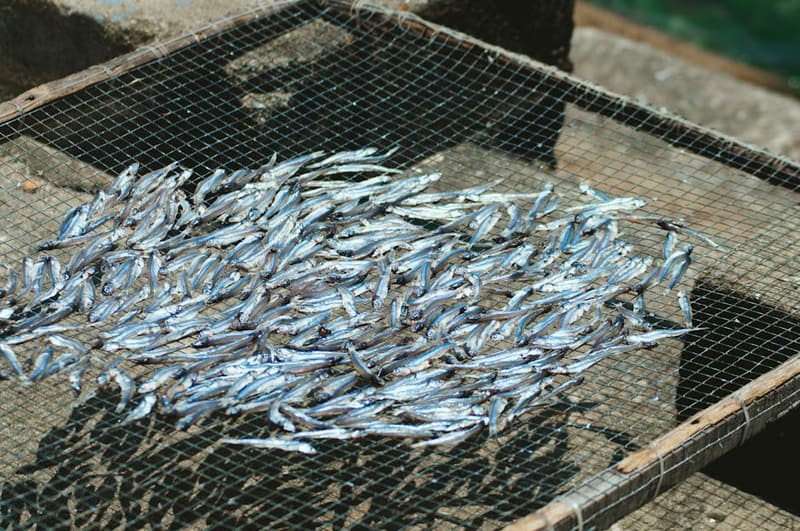
Substitute for Anchovy Paste
Mash about 1½ anchovy fillets for each teaspoon of anchovy paste, or use ½ tsp fish sauce. For vegan Caesar, white miso with mashed capers fills the gap.
Read
Substitute for Fish Sauce
No fish sauce? Use 1 tbsp soy sauce plus ¼ tsp salt per tablespoon, mashed anchovies for real fish depth, or coconut aminos with salt if avoiding soy.
Read
Substitute for Harissa
For 1 tbsp harissa, stir 2 tsp tomato paste and 1 tsp olive oil with cayenne, cumin and coriander, or use 2 tsp sambal oelek spiked with cumin and caraway.
Read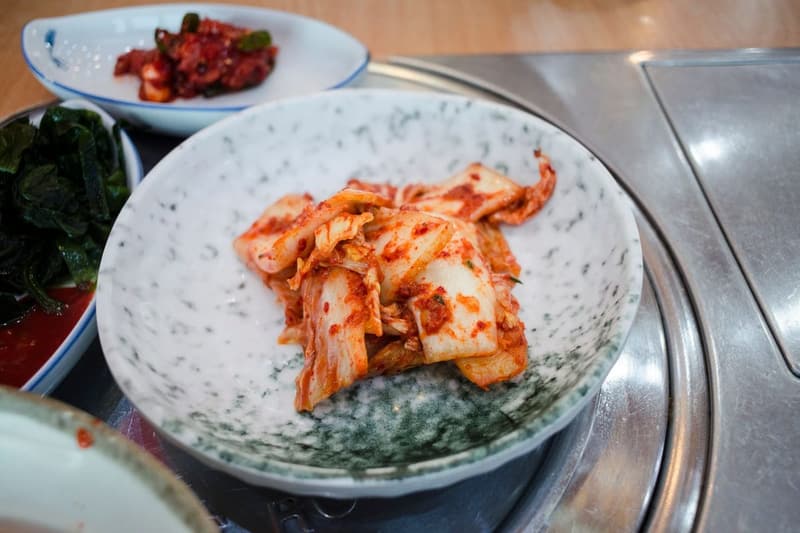
Substitute for Kimchi
No kimchi? Use drained sauerkraut with gochugaru and garlic cup for cup in stews and fried rice, or a quick salted napa cabbage salad as a raw side.
Read