Substitute for Ghee
Ghee alternatives for cooking and baking. High-heat cooking fats with rich flavor.

Quick Answer
The best substitutes for ghee are: Clarified Butter, Coconut Oil, Butter (with a pinch of salt). Each works differently depending on your recipe needs.
Ghee brings unique flavor and characteristics to recipes. Whether you’re dealing with dietary restrictions, availability issues, or simply want to try something new, these substitutes will help you achieve delicious results.
Understanding Ghee
Ghee is a type of clarified butter that is commonly used in Indian and Middle Eastern cuisine. It is made by simmering butter to separate the milk solids and water, resulting in a rich, nutty flavor and a high smoke point, making it ideal for frying, sautéing, and baking. Ghee not only enhances the taste of dishes but also provides various health benefits, including improved digestion and the presence of healthy fats.
When substituting ghee in recipes, it’s important to consider the flavor and cooking properties of the alternative. For instance, clarified butter is the closest substitute due to its similar preparation method. Coconut oil, while vegan-friendly, will impart a distinct flavor that may not suit all dishes. For those looking for neutral options, vegetable oil can work in cooking where ghee’s flavor is not essential. Always adjust cooking temperatures based on the substitute’s smoke point to achieve the best results.
Choosing the Right Alternative
Consider the role ghee plays in your recipe - is it for flavor, texture, binding, or as a key component? Different substitutes excel in different applications, so match the substitute to your specific needs.
Tips for Success
When substituting, start with smaller amounts and adjust to taste. Some alternatives may require slight modifications to cooking times, temperatures, or additional ingredients for optimal results.
Related Substitutes
- Substitute for Salt - Basic seasoning alternatives
- Substitute for Sugar - Sweetening options
- Substitute for Butter - Fat alternatives
- Substitute for Eggs - Binding agents
Educational Disclaimer: This information is for cooking and baking purposes only. Always consider dietary restrictions, allergies, and food safety when making substitutions.
All Substitutes at a Glance
| Substitute | Ratio | Best For | Notes |
|---|---|---|---|
| Clarified Butter | 1:1 | sautéing, baking, finishing sauces | Clarified butter has a similar nutty flavor and high smoke point like ghee. It lacks the same depth of flavor but works well in most recipes that call for ghee. |
| Coconut Oil | 1:1 | baking, Asian dishes, vegan recipes | Coconut oil provides a distinct flavor that can enhance certain dishes. It has a lower smoke point than ghee, so it's best for medium heat cooking. |
| Butter (with a pinch of salt) | 1:1 | spreading, baking, sauces | Using regular butter gives a similar richness but can create a slightly different texture. Adding a pinch of salt can help mimic ghee's flavor. |
| Vegetable Oil | 1:1 | frying, roasting, general cooking | While vegetable oil lacks the flavor of ghee, it can be used as a neutral substitute in cooking methods where the ghee's flavor is not the focal point. |
| Olive Oil | 1:1 | dressing, sautéing, roasting | Olive oil offers a robust flavor profile and can work well in Mediterranean dishes. It has a lower smoke point, so use it for low to medium heat applications. |
Frequently Asked Questions
What is the main difference between ghee and regular butter?
Ghee is made by simmering butter to remove water and milk solids, resulting in a higher smoke point and a richer, nuttier flavor. Regular butter contains milk solids and water, which can burn at higher temperatures.
Can I use margarine as a substitute for ghee?
Margarine can be used, but it has a different flavor profile and texture. It also contains water, which may affect the outcome of certain recipes. A 1:1 ratio can be applied, but be cautious with high-heat cooking.
Is there a vegan substitute for ghee?
Yes, coconut oil or a vegan butter alternative can be used as substitutes. Coconut oil has a distinct flavor, while vegan butter can offer a similar texture, making it suitable for most recipes.
How do I store ghee, and how long does it last?
Ghee should be stored in an airtight container in a cool, dark place. When properly stored, it can last for several months at room temperature or up to a year in the refrigerator.
Related Topics
Related Guides
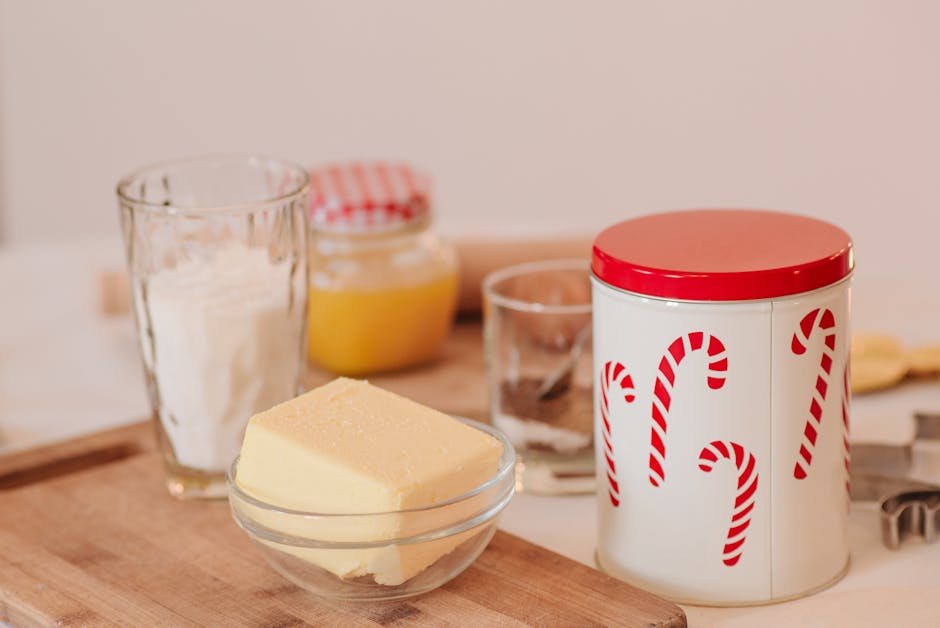
Substitute for Butter
Dairy-free and healthier alternatives to butter for baking, cooking, and spreading.
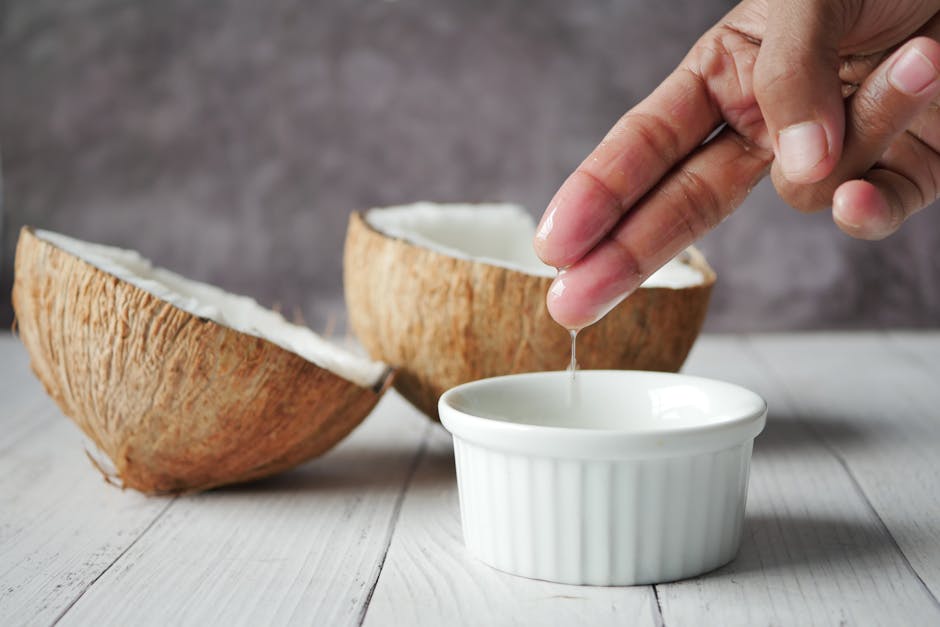
Substitute for Coconut Oil
Perfect coconut oil alternatives for baking, cooking, and skincare. Dairy and vegan options included.

Substitute for Duck Fat
Duck fat alternatives for roasting and frying. Rich, flavorful cooking fat substitutes.