10 Essential Pantry Staples for Emergency Ingredient Swaps
Stock your kitchen with these versatile pantry staples that can stand in for dozens of common recipe ingredients in a pinch.
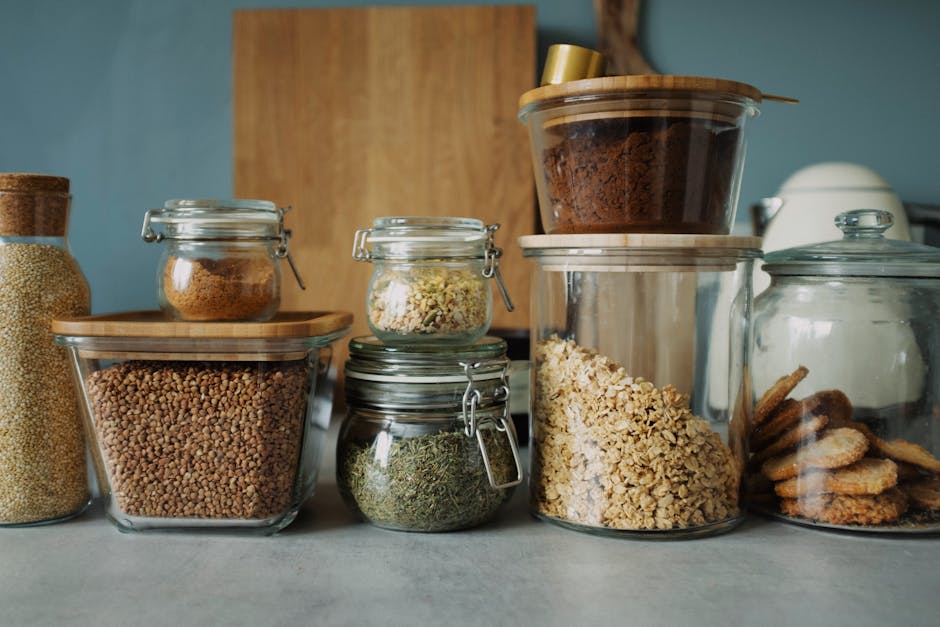
We have all been there: you are halfway through a recipe only to discover you are missing a key ingredient. Instead of running to the store, a well-stocked pantry can save the day. These ten versatile staples can stand in for dozens of common ingredients, keeping your cooking on track no matter what surprises arise.
1. Coconut Oil
Coconut oil is one of the most versatile fats you can keep on hand. In its solid state, it behaves remarkably like butter, making it a reliable swap in baking, sauteing, and even pie crusts. Use it as a 1:1 replacement for butter in most recipes. Refined coconut oil has a neutral flavor, while virgin coconut oil adds a subtle tropical note. It also works as a substitute for vegetable shortening when you need a solid fat at room temperature.
2. Greek Yogurt
Thick, tangy Greek yogurt pulls triple duty in the kitchen. It can replace sour cream in dips, dressings, and baked potatoes with no adjustment needed. In baking, it stands in for buttermilk (thin it with a splash of milk), mayonnaise in creamy salads, and even some of the oil or butter in cakes and muffins to reduce fat while keeping things moist. Use a full-fat variety for the best results in baking.
3. Applesauce
Unsweetened applesauce is a baker’s secret weapon. It replaces oil, butter, or eggs in quick breads, muffins, and cakes by adding moisture and a mild sweetness. Swap it 1:1 for oil, or use a quarter cup to replace one egg. Because it adds moisture without fat, it is especially useful when you want a lighter texture. Keep a few single-serve cups in the pantry so you always have some ready.
4. Nutritional Yeast
This deactivated yeast has a savory, slightly cheesy flavor that makes it indispensable for dairy-free cooking. Sprinkle it wherever you would use Parmesan cheese, stir it into sauces as a cheese flavoring, or mix it with cashews to create a convincing dairy-free cheese sauce. It also adds a boost of B vitamins and protein, making it as nutritious as it is flavorful.
5. Flaxseed Meal
Ground flaxseed mixed with water creates a gel that mimics the binding properties of eggs. Combine one tablespoon of flaxseed meal with three tablespoons of water, let it sit for five minutes, and you have one “flax egg.” This works beautifully in cookies, pancakes, and muffins. Flaxseed meal also substitutes for some of the flour in recipes when you want to add fiber and healthy omega-3 fats.
6. Cornstarch
A small box of cornstarch solves a surprising number of kitchen problems. Mixed with water, it becomes a thickening agent for gravies, soups, and sauces, replacing flour-based roux. It stands in for cake flour when combined with all-purpose flour (replace two tablespoons of flour per cup with cornstarch for a lighter crumb). It also creates a crispy coating on fried foods when you are out of breadcrumbs.
7. Canned Coconut Milk
Full-fat canned coconut milk is a powerhouse substitute. The thick cream at the top of the can replaces heavy cream in soups, curries, and even whipped toppings. The thinner liquid works as a milk substitute in baking and cooking. It also stands in for half-and-half in coffee and sauces. Keep several cans on hand because once you start using it, you will reach for it constantly.
8. Apple Cider Vinegar
This pantry essential does far more than make salad dressing. Mixed with milk, it creates a quick buttermilk substitute (one tablespoon per cup of milk, let it sit for ten minutes). Combined with baking soda, it provides leavening in cakes and quick breads. It replaces white wine in pan sauces and deglazing, and it stands in for lemon juice in recipes where you need acidity without citrus flavor.
9. Oat Flour
Making oat flour is as simple as blending rolled oats in a food processor. It serves as a gluten-free flour alternative (when made from certified gluten-free oats) in pancakes, cookies, and muffins. It replaces breadcrumbs as a binder in meatballs and veggie burgers. You can also use it to thicken soups and stews by stirring in a few tablespoons toward the end of cooking.
10. Tahini
This sesame seed paste is far more versatile than its association with hummus might suggest. It replaces peanut butter or other nut butters for anyone with tree nut allergies. It works as a butter substitute in some baking applications, adding richness and a subtle nutty depth. Thinned with lemon juice and garlic, it becomes a creamy salad dressing or sauce that replaces mayo-based dressings.
Building Your Emergency Swap Pantry
You do not need to buy all ten items at once. Start with the staples that align with your most common cooking habits. If you bake frequently, prioritize applesauce, flaxseed meal, and cornstarch. If you cook savory meals most often, focus on coconut milk, apple cider vinegar, and nutritional yeast.
The key is keeping these items stocked and rotating them before they expire. Most of these staples have long shelf lives, making them practical investments that pay off every time a recipe throws you a curveball. With these ten ingredients in your pantry, you will rarely need to abandon a recipe or make a last-minute grocery run again.
Looking to upgrade your kitchen equipment to make the most of these ingredients? CookCompare offers detailed comparisons of blenders, food processors, and other appliances that can help you prepare these pantry staples more efficiently.
Topics
Related Articles
Cooking with Coconut: The Most Versatile Ingredient Swap
Coconut oil, milk, cream, flour, and sugar can replace more ingredients than you might think. Here's your complete guide to cooking with coconut.
Meal Prep Hacks: Substituting Ingredients on a Budget
Save money on weekly meal prep by learning which budget-friendly ingredients can replace expensive ones without compromising nutrition or taste.