Meal Prep Hacks: Substituting Ingredients on a Budget
Save money on weekly meal prep by learning which budget-friendly ingredients can replace expensive ones without compromising nutrition or taste.
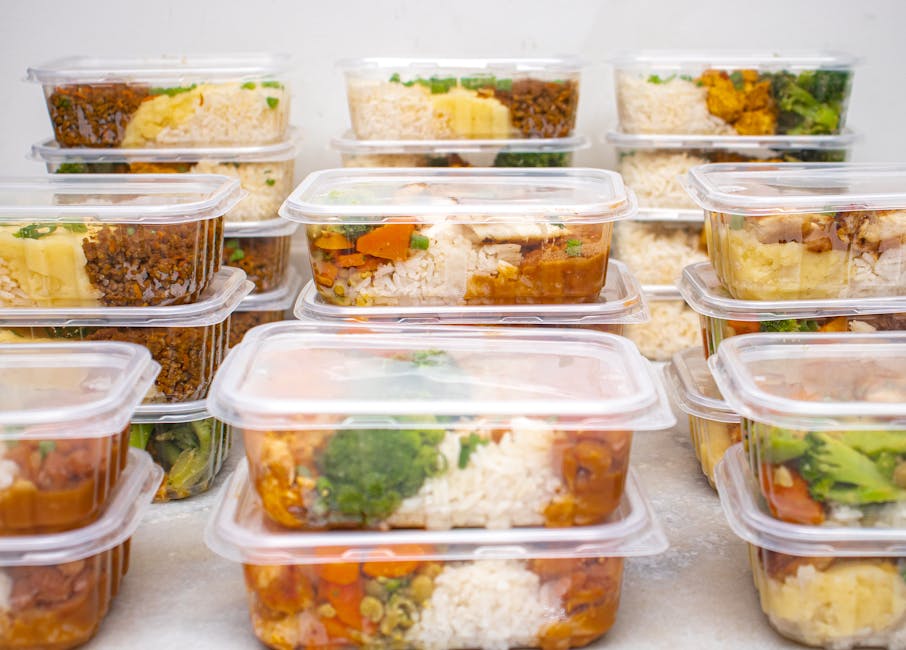
Meal prepping is already a smart strategy for saving time and eating well throughout the week. But when you pair it with strategic ingredient substitutions, you can cut your grocery bill significantly without sacrificing nutrition or flavor. Here are the most effective budget-friendly swaps to incorporate into your weekly routine.
Dried Beans vs. Canned Beans
Canned beans are convenient, but dried beans cost a fraction of the price and yield far more per dollar. A one-pound bag of dried black beans costs roughly one to two dollars and produces about six cups of cooked beans, equivalent to three or four cans. Soak them overnight, cook a large batch on the weekend, and portion them into containers for the week. You can even freeze cooked beans in measured amounts for quick access later.
If time is a concern, an electric pressure cooker can cook most dried beans in under an hour, no soaking required.
Frozen Vegetables vs. Fresh
There is a persistent myth that frozen vegetables are less nutritious than fresh, but research consistently shows they are nutritionally comparable and sometimes even superior. Vegetables destined for freezing are typically picked at peak ripeness and flash-frozen within hours, locking in their vitamins and minerals.
Frozen broccoli, spinach, peas, corn, and mixed stir-fry blends cost significantly less than their fresh counterparts, especially when those vegetables are out of season. They also last for months, reducing food waste. Stock your freezer with a variety and use them freely in soups, casseroles, stir-fries, and grain bowls.
Oats as a Breadcrumb Substitute
Breadcrumbs, especially panko, can be surprisingly expensive for what they are. Rolled oats make an excellent substitute in meatballs, meatloaf, veggie burgers, and casserole toppings. Pulse them briefly in a blender or food processor for a finer texture, or use them whole for a heartier crumb. Oats are also higher in fiber and protein than standard breadcrumbs, making this swap a nutritional upgrade as well.
Lentils as a Meat Extender
Ground meat is one of the most expensive items in a weekly meal prep budget. Lentils, particularly brown or green varieties, can stretch your meat further without anyone noticing. Cook lentils until tender and mix them with ground beef or turkey at a 50/50 ratio in dishes like tacos, bolognese sauce, chili, or shepherd’s pie. The lentils absorb the flavors of the meat and seasonings while adding fiber and protein. A bag of dried lentils costs a few dollars and provides multiple meals’ worth of food.
Greek Yogurt for Sour Cream
Full-fat or low-fat plain Greek yogurt is almost indistinguishable from sour cream in most applications and typically costs less per ounce. Use it as a 1:1 substitute on tacos, baked potatoes, in dips, and as a base for creamy dressings. Greek yogurt also packs significantly more protein per serving, making it a stronger nutritional choice. Buy a large tub instead of individual containers to maximize savings.
Seasonal Produce Swaps
One of the simplest ways to save money on meal prep is to build your meals around whatever produce is in season. Seasonal fruits and vegetables are more abundant, which drives prices down, and they taste better too.
- Spring: asparagus, peas, strawberries, radishes
- Summer: zucchini, tomatoes, corn, bell peppers, berries
- Fall: sweet potatoes, apples, squash, Brussels sprouts
- Winter: cabbage, carrots, citrus fruits, kale
Rather than following a recipe rigidly, learn to substitute seasonal vegetables into your standard meal prep recipes. A stir-fry works with nearly any combination of vegetables, and soups and stews are even more forgiving.
Bulk Buying Basics
Buying staples in bulk is one of the most impactful ways to reduce your per-meal cost. Items that store well and save money in bulk include:
- Rice (white, brown, or jasmine)
- Oats (rolled or steel-cut)
- Dried beans and lentils
- Flour and sugar
- Cooking oils
- Nuts and seeds (store in the freezer to extend shelf life)
- Spices (from bulk bins rather than pre-packaged jars)
A single bulk purchase of rice and beans can form the foundation of weeks’ worth of meals.
Store-Brand vs. Name-Brand
For pantry staples, store-brand products are nearly always identical in quality to their name-brand counterparts. Canned tomatoes, broth, pasta, rice, frozen vegetables, and baking supplies are all categories where switching to the store brand can save 20 to 40 percent with no noticeable difference. Taste-test a few items if you are skeptical — you will likely find that the savings are well worth it.
Batch Cooking Sauces
Buying pre-made sauces for every meal prep adds up quickly. Instead, dedicate part of your prep session to making large batches of versatile sauces that can be used across multiple meals throughout the week:
- Basic tomato sauce: canned tomatoes, garlic, olive oil, salt, and Italian herbs
- Stir-fry sauce: soy sauce (or coconut aminos), rice vinegar, sesame oil, garlic, and ginger
- Tahini dressing: tahini, lemon juice, garlic, water, and salt
- Chimichurri: parsley, garlic, olive oil, red wine vinegar, and red pepper flakes
These sauces store well in the refrigerator for five to seven days and can transform simple grains and proteins into completely different meals.
Making Your Own Spice Blends
Pre-mixed spice blends like taco seasoning, Italian seasoning, and curry powder carry a significant markup. Making your own from individual spices (bought in bulk) costs pennies per batch and allows you to control the salt content and flavor intensity. Mix up large jars of your most-used blends and store them alongside your other spices.
A basic taco seasoning, for example, is simply chili powder, cumin, paprika, garlic powder, onion powder, oregano, salt, and pepper. Ten seconds of measuring saves you several dollars over the store-bought packet.
The Bottom Line
Budget-friendly meal prep is not about eating bland, boring food. It is about making smart substitutions that keep your meals flavorful, nutritious, and varied while spending less at the grocery store. Start with one or two of these swaps, track your savings, and build from there. Over the course of a month, even small changes add up to meaningful differences in your food budget.
Topics
Related Articles
10 Essential Pantry Staples for Emergency Ingredient Swaps
Stock your kitchen with these versatile pantry staples that can stand in for dozens of common recipe ingredients in a pinch.

Cooking with Coconut: The Most Versatile Ingredient Swap
Coconut oil, milk, cream, flour, and sugar can replace more ingredients than you might think. Here's your complete guide to cooking with coconut.