
Kitchen Tips
Meal Prep Substitutions That Survive the Fridge, Freezer and Reheat
Which swaps hold up in meal prep: thickeners that weep after freezing, dairy swaps that split on reheating, grains that go mushy, and the safety timings to follow.
- meal prep
- freezing
- leftovers
- ingredient swaps
- food safety
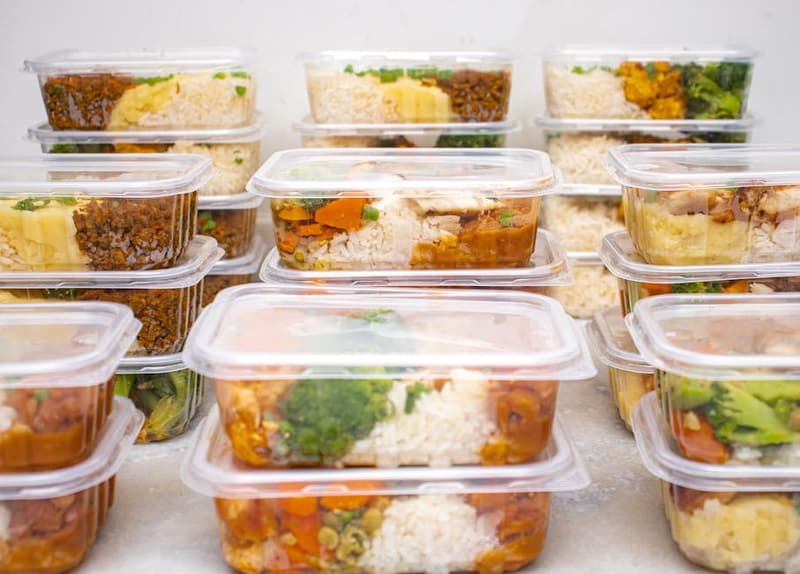
A substitution judged on the day it is cooked can look fine and still fail by Wednesday. Meal prep puts every ingredient through three extra stresses: days of cold storage, a freeze and thaw, and a reheat that food-safety guidance says should be thorough. Starch gels, emulsions and dairy proteins each react differently to those stresses, so the swap that works for tonight’s dinner is not always the one to batch-cook. This post sorts common swaps by how they hold up, and links to the guides for the ratios.
The safety clock sets the rules
Nebraska Extension’s leftover guidance gives the timings that every prepped dish has to fit:
| Step | Guidance |
|---|---|
| Cool | Refrigerate within 2 hours of cooking, in smaller portions and shallow pans |
| Fridge | 3 to 4 days |
| Freezer | 2 to 6 months at 0°F |
| Thaw | In the refrigerator is slowest but keeps food safe throughout |
| Reheat | To 165°F, or until hot and steamy; bring soups, sauces and gravies to a rolling boil |
Ohio State University Extension adds that combination main dishes are best eaten within three months of freezing. Those freezer times are about quality: frozen food stays safe longer, but it dries out and loses flavor.
The reheating rule is the one that catches substitutions out. A rolling boil is exactly what several popular swaps cannot take, as the next sections show. The practical answer is often to change when the swap goes in, not which swap to use.
Thickeners: what weeps, what recombines
| Thickener | After days in the fridge | After freezing | On a hard reheat |
|---|---|---|---|
| Flour roux | Stable, opaque | May look curdled; usually recombines when stirred | Tolerates boiling |
| Cornstarch | Gel can weep liquid | Ohio State calls it “less successful” than flour | Long boiling thins it |
| Arrowroot | Clear and glossy | The cornstarch guide’s pick for sauces headed for the freezer | Thins if boiled for long |
| Potato starch | Silky | Not covered by the extension guides | Loses body if boiled hard |
| Clear Jel (modified starch) | Not covered | Ohio State’s recommended choice | Not covered |
Mississippi State lists sauces and gravies thickened with flour or cornstarch among foods that do not freeze well, and Ohio State says the same of milk sauces and gravy, which separate and curdle on thawing. The usual explanation is that starch molecules slowly realign as a gel sits cold and squeeze out water, and that freezing speeds the process.
The simplest fix is to freeze the sauce unthickened. Reheat the base to a boil, then stir in a slurry of cornstarch, arrowroot or potato starch and stop as soon as it clears. The safety step happens before the delicate thickener goes in, so nothing gets boiled thin. For a gravy that must be frozen thickened, a roux made with flour is the forgiving choice, since it recombines with stirring. The cornstarch guide gives the swap amounts: twice the flour, the same of arrowroot or potato starch.
Dairy and dairy-free swaps
Dairy swaps divide neatly into those that tolerate heat after storage and those that only belong in the last minute of cooking.
- Greek yogurt for sour cream works in a prepped chili topping or dip, but it curdles if boiled, and Mississippi State lists both yogurt and sour cream as poor freezers. Pack it separately and add it after reheating. See the sour cream guide.
- Milk plus melted butter for cream is a cook-and-serve swap. The fat is not emulsified, so the mixture separates as it sits, and a stored sauce made with it reheats greasy. Evaporated milk is the better prep choice for a creamy soup: its concentrated proteins resist splitting, though it has a cooked, caramel note. Both are in the heavy cream guide.
- Evaporated milk on its own can be frozen, but it may separate; whisk it smooth after thawing and use it in cooking, as the evaporated milk guide notes.
- Yogurt-based mayonnaise swaps release water faster than mayonnaise, so chicken or potato salads made with them go soupy over several days. Ohio State notes that mayonnaise and sour cream separate in the freezer too. Store the dressing apart and mix each portion on the day. The mayonnaise guide has the ratios.
- Plant milks and dairy-free cream sauces tend to separate after freezing as water and solids part. Thawed, they suit soups and baking better than pouring; whisk or blend them before use. For which plant milk suits which job, see going dairy-free.
Grains, pasta, beans and potatoes
Ohio State lists cooked plain pasta and rice among foods that turn mushy in the freezer, and Mississippi State puts pasta and chunks of cooked potato on its do-not-freeze list, while noting that mashed potatoes freeze well. The common thread is that starchy foods keep absorbing liquid in a sauce and soften again when reheated.
That shapes grain swaps for prep. Whatever stands in for quinoa or rice, whether millet, bulgur, pearl couscous or farro from the quinoa guide, cook it a little short of done if it will be frozen in a sauce, or store it separately and combine on the day. Firm, chewy grains such as farro hold up better in a soup than soft ones that started out creamy.
Beans follow the same pattern: Ohio State advises cooking dried beans until barely tender before freezing, because freezing softens them, and limiting storage to two weeks when they are seasoned with ham or bacon. When swapping beans in a batch recipe, the black beans guide notes that pinto beans break down sooner while chickpeas and kidney beans keep their shape, so the firmer ones are the safer freezer choice.
For potatoes, Ohio State suggests freezing the stew without them and adding fresh potatoes during reheating, since mature potatoes turn grainy, watery or dark.
Proteins, toppings and seasoning
Tofu changes in the freezer: ice crystals open its structure into a spongier, chewier grain, which the tempeh guide uses deliberately. That suits a prepped stir-fry or curry and spoils a dish that needed silky tofu. Cooked egg white toughens when frozen, per Ohio State, so egg-topped bowls are better assembled fresh. Ohio State also advises against freezing cured meats, because salt speeds rancidity.
Crunch never survives storage. Ohio State and Mississippi State both say fried foods turn soggy and that crumb and cheese toppings should go on just before heating, which applies equally to oat or cracker swaps from the breadcrumbs guide. Season frozen dishes lightly: Ohio State notes that some seasonings grow stronger or bitter in frozen storage while others fade, so final salt and spice adjustments belong at reheating.
Common mistakes
- Freezing a cornstarch-thickened sauce. The gel weeps on thawing and the boil needed for safe reheating thins it further.
- Boiling a sauce finished with Greek yogurt. The proteins curdle into grains; add it off the heat after reheating.
- Batch-cooking pasta or rice fully in the sauce. It keeps absorbing liquid and turns mushy by the second reheat.
- Making a cream sauce from milk and butter for the week. The unemulsified fat separates in the fridge and reheats as an oily slick.
- Dressing a whole batch of yogurt-based salad on day one. Water leaches out and pools in every container.
- Adding crumb or cheese toppings before freezing. They absorb moisture and bake up soggy instead of crisp.
Sources
- Leftover Food Safety, Nebraska Extension, University of Nebraska–Lincoln
- Food Preservation: Freezing Cooked Foods (HYG-5308), Ohio State University Extension
- Freezing Combination Main Dishes (HYG-5308-09), Ohio State University Extension
- Dos and Don'ts of Freezing Food, Mississippi State University Extension
More from the blog
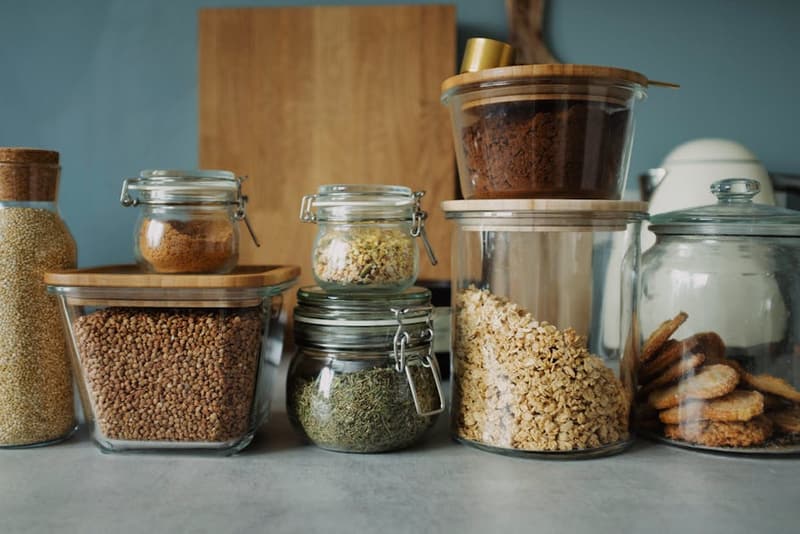
The Pantry Staples That Cover the Most Swaps, Counted
Across 112 FoodSwappy guides, lemon juice, butter and white sugar turn up as substitutes most often. The ranking, what each staple can't do, and a 5-item kit.
Read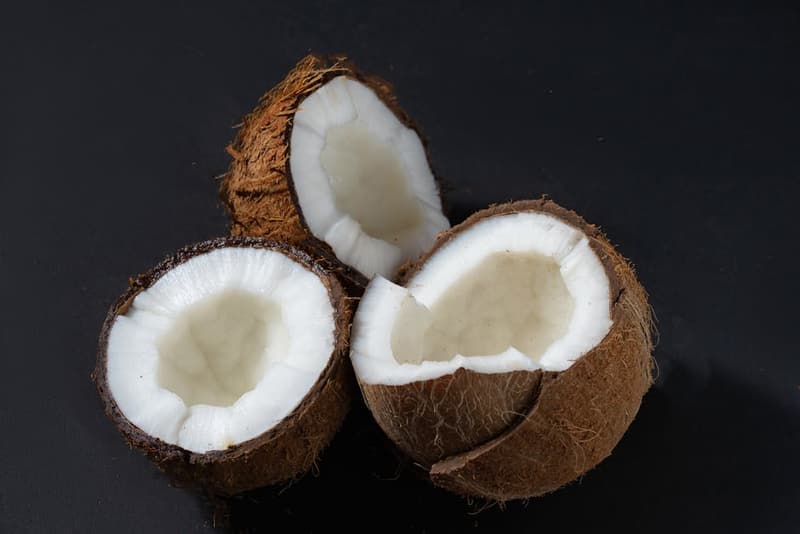
Cooking with Coconut: Which Coconut Product Does Which Job
Canned milk, cream, oil, flour and the carton drink differ tenfold in fat. USDA figures for each coconut product, the job it suits, and the swaps that fail.
Read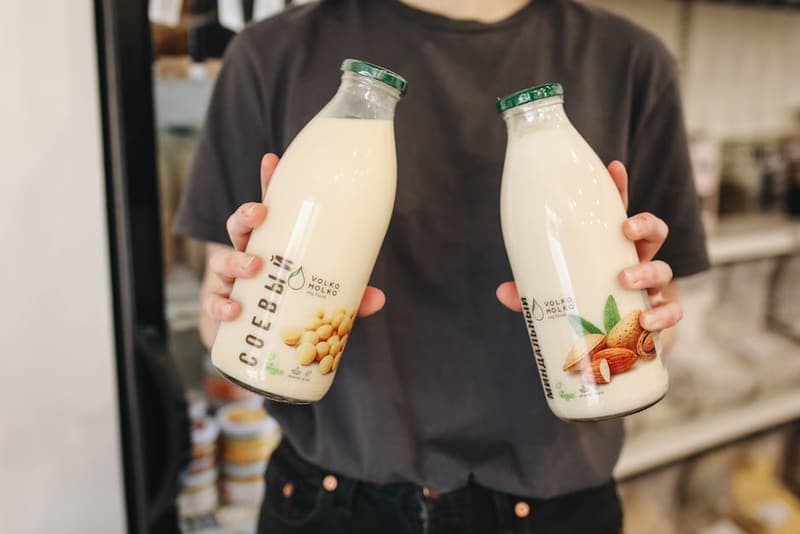
Going Dairy-Free: Replacing Dairy by the Job It Does
Dairy-free swaps sorted by job: milk in baking and sauces, butter, cream that whips, cheese. Why plant milks curdle, and lactose-free versus milk-free labels.
Read
How to Convert a Recipe for Food Allergies
Convert a recipe for the nine US major allergens: where they hide, label rules, swaps that only trade one allergen for another, and cross-contact at home.
Read