
Cooking
Substitute for Tahini
No tahini? Grind toasted sesame seeds into your own, or swap cashew or sunflower seed butter 1:1 in hummus and sauces. Sesame-free options and what changes.
- vegetarian
- vegan
- nut free options
Quick answer
Out of tahini? The most versatile swaps:
- 1
Homemade tahini
1 cup hulled sesame seeds + 1–2 tbsp neutral oil for ½ cup tahini
- 2
Cashew butter (unsalted)
1:1
- 3
Sunflower seed butter (unsweetened)
1:1
Tahini is ground sesame seed: mostly fat, with protein and fiber that give it body. In hummus and sauces it adds richness, a slightly bitter nuttiness and the ability to thicken and emulsify with lemon juice and water. In baking it acts like any nut butter, adding fat and tenderness. A good swap therefore needs to be another smooth seed or nut paste; oils alone only bring flavor.
Hummus, dips and sauces
The surest replacement is homemade tahini, since it is the same ingredient; hulled seeds give the pale, mild paste sold in jars. When you can’t make it, cashew butter comes closest in texture and color for hummus and baba ganoush. Because it lacks tahini’s bitterness, finish with more lemon and salt. Sunflower seed butter has a darker color and stronger flavor but similar body, and it suits households avoiding both sesame and nuts.
For tahini-lemon sauce (tarator) poured over falafel or roasted vegetables, any of these pastes behaves the same way: they tighten when lemon goes in, then loosen with cold water.
Noodles and dressings
In Asian-style sesame noodles, Chinese sesame paste is the natural replacement and arguably the traditional ingredient. Natural peanut butter makes a different, sweeter dressing that still works with soy sauce, vinegar and chili. For a thin vinaigrette that just needs a sesame note, a little toasted sesame oil in neutral oil will do.
Baking
In cookies, halva-style bars and tahini brownies, nut and seed butters swap 1:1 by volume. Peanut and sunflower butters bring stronger flavors, and sunflower can turn green inside soda-leavened cookies. The green comes from a reaction between the seed’s chlorogenic acid and an alkaline dough; if appearance matters, use cashew butter instead.
When not to substitute
In halva, sesame-crusted dishes, and Levantine dishes where tahini is the main flavor, such as tahini sauce or hummus bi tahina, another paste gives a noticeably different dish. If sesame is avoided for allergy, check that the replacement is safe too: peanuts and tree nuts are also major allergens, and shared equipment is common.
Common mistakes
- Using sweetened nut butter. Added sugar makes hummus taste like dessert.
- Skipping the stir. Tahini and natural butters separate; using only the oily top or the stiff bottom throws off the texture.
- Expecting sesame oil to thicken a sauce. Without ground solids, the dressing stays thin and splits.
- Making tahini from heavily roasted seeds. Dark toasting makes a bitter paste; keep the seeds pale gold.
All 6 substitutes at a glance
| Substitute | Ratio | Best for | Notes |
|---|---|---|---|
| Homemade tahini BakingCookingRaw & finishing | 1 cup hulled sesame seeds + 1–2 tbsp neutral oil for ½ cup tahini | hummus, baba ganoush, tarator sauce, halva | Seeds weigh about 71 g per half cup and tahini about 128 g, so twice the volume of seed gives roughly the same weight of paste. Toast them lightly, then process for several minutes, adding oil only if the paste will not loosen. |
| Cashew butter (unsalted) CookingRaw & finishingBaking | 1:1 | hummus, creamy dressings, grain bowls, dips | Mild and creamy, with none of tahini's bitterness, so hummus tastes sweeter and rounder. Add extra lemon juice to make up the missing edge. Almond butter works the same way but is grainier and tastes more of almond. |
| Sunflower seed butter (unsweetened) CookingRaw & finishingBaking | 1:1 | sesame- and nut-free hummus, sauces, cookies, energy bites | The usual choice when both sesame and tree nuts are off the menu. It has a similar faint bitterness. Many brands add sugar and salt; buy plain. Its chlorogenic acid turns green in alkaline batters, so baked goods with baking soda may develop green flecks. |
| Chinese sesame paste CookingRaw & finishing | 1:1 | noodle sauces, dressings, dipping sauces, cold noodles | Made from deeply toasted unhulled seeds, so it is darker, thicker and more roasted than pale tahini. Stir in the separated oil, then thin with warm water. In hummus, start with two-thirds as much. |
| Natural peanut butter CookingBaking | 1:1, thinned with 1 tbsp water per ¼ cup | satay-style sauces, noodle dressings, cookies, bars | Stiffer than tahini, which pours when stirred, so it needs a little water to match. The flavor is much stronger and reads as peanut, not sesame; fine in sauces with soy and lime, wrong in hummus. |
| Toasted sesame oil + neutral oil Raw & finishingCooking | 1 tsp toasted sesame oil + 1 tbsp neutral oil for 2 tbsp tahini | vinaigrettes, noodle dressings, roasted vegetables | Supplies sesame flavor and fat but none of the ground seed solids, so it cannot thicken or emulsify a sauce. Only for thin dressings where tahini is a minor flavoring. |
Substitute calculator
How much tahini does your recipe call for?
- Homemade tahini1 cup hulled sesame seeds + 1½ tbsp neutral oil
- Cashew butter (unsalted)½ cup cashew butter
- Sunflower seed butter (unsweetened)½ cup sunflower seed butter
- Chinese sesame paste½ cup Chinese sesame paste
- Natural peanut butter½ cup natural peanut butter + 2 tbsp water
- Toasted sesame oil + neutral oil1 tbsp + 1 tsp toasted sesame oil + ¼ cup neutral oil
Amounts are rounded to practical kitchen measures. Swaps without a fixed ratio, or that can't be measured in the unit you picked, show their ratio instead.
Topics: tahinisesamehummusmiddle easternnut free All cooking guides
Frequently asked questions
Can I make hummus without tahini?
Yes. Blend chickpeas with lemon, garlic and a little olive oil, then add cashew or sunflower seed butter for creaminess, or skip it and use extra oil and some aquafaba. Without a seed or nut paste, hummus is lighter and less rich.
Why does my tahini taste bitter?
Some bitterness is normal, and it is stronger in pastes made from unhulled seeds or dark-roasted ones. An old jar can also turn rancid. Lemon juice, salt and a little garlic balance normal bitterness; rancid tahini should be thrown out.
Why did my tahini sauce seize when I added lemon?
Acid and a little liquid make tahini tighten into a thick paste before it loosens. Keep whisking in cold water a spoonful at a time and it becomes smooth and pourable.
Is tahini safe for someone with a peanut or tree nut allergy?
Sesame is a separate allergen, but it is one of the nine major food allergens in the US, and factories may also handle nuts. Read the label for allergen statements; sunflower seed butter avoids all three.
Sources
- Ingredient weight chart, King Arthur Baking
- Food allergies, U.S. Food and Drug Administration
- Preventing chlorogenic acid quinone-induced greening in sunflower cookies (Pepra-Ameyaw et al., LWT, 2023), Chapman University Digital Commons
More cooking substitutes
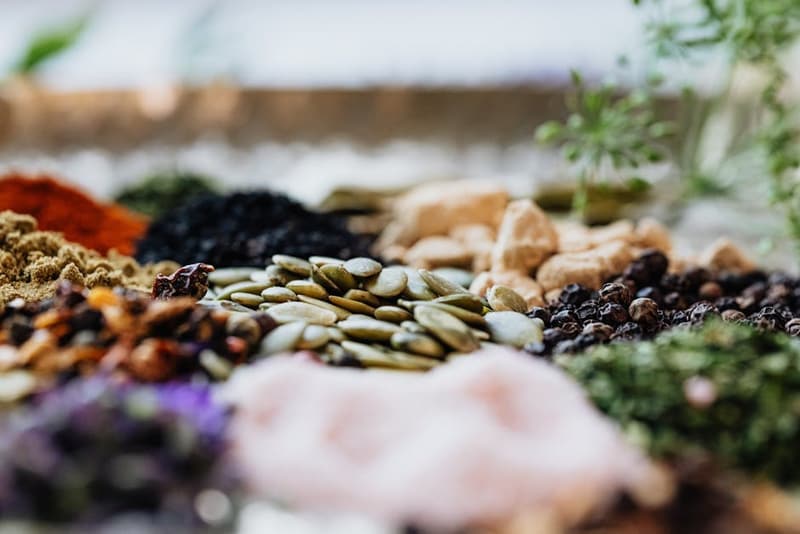
Substitute for Cumin
No cumin? Use ground caraway at half to three quarters, ground coriander one-for-one, or chili powder or garam masala when their other spices fit the dish.
ReadSubstitute for Pomegranate Molasses
Out of pomegranate molasses? Simmer 4 parts pomegranate juice down to 1, or use balsamic reduced by half; tamarind with a little honey suits stews and glazes.
ReadSubstitute for Sumac
No sumac? Use lemon zest with a pinch of salt on finished dishes, lemon juice in dressings, or amchur powder where a dry sour spice is needed.
Read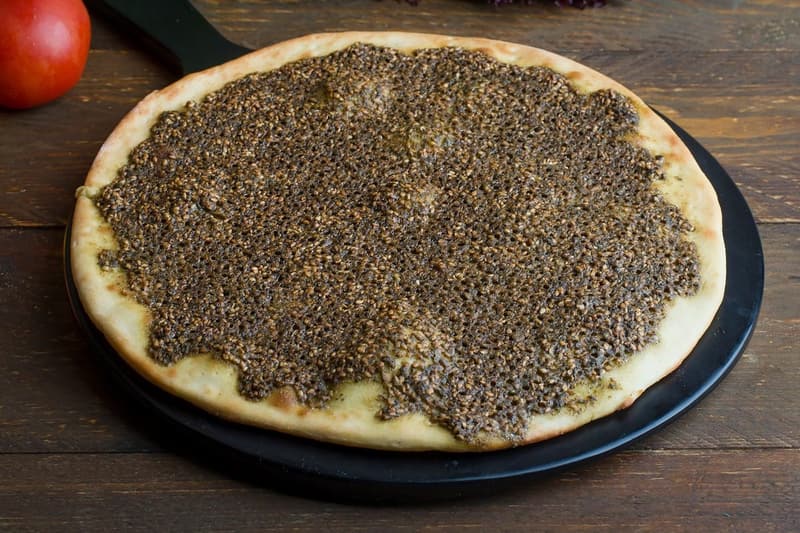
Substitute for Zaatar
No za'atar? Mix 1½ tsp dried thyme, ¾ tsp sumac, ¾ tsp toasted sesame and a pinch of salt per tablespoon, or use lemon zest if there is no sumac.
Read