
Dairy
Substitute for Queso Fresco
No queso fresco? Farmer's cheese matches it 1:1 by weight, rinsed feta works at three quarters the weight, and aged cotija at half as a salty finishing crumble.
- vegetarian
- vegan
- gluten free
Quick answer
Out of queso fresco? The most versatile swaps:
- 1
Farmer's cheese
1:1 by weight, plus a pinch of salt
- 2
Feta (cow's milk), rinsed
¾ the weight of queso fresco
- 3
Aged cotija
Half the weight, as a topping
Queso fresco is a fresh, moist cheese that is crumbled rather than sliced. USDA lists it at about 51 percent water and 751 mg sodium per 100 g: mildly salty, milky and a little tangy. In the oven it softens into creamy bits without running, so it can fill a chile relleno or top enchiladas and still be visible. A swap should match that salt level and that soft-but-not-melting behavior.
Toppings and raw dishes
On tacos, tostadas, salads and beans, queso fresco adds gentle salt and a cool contrast. Farmer’s cheese is the nearest in taste. Feta works if you account for salt: USDA puts it at 1,139 mg sodium per 100 g, about one and a half times queso fresco, so three quarters of the weight gives a similar seasoning. Rinsing removes surface brine. Aged cotija at 1,400 mg sodium and 38 percent water is far more concentrated; half the weight is plenty.
Baked and cooked dishes
Enchiladas, chiles rellenos and baked bean dishes depend on the cheese turning creamy without flowing out. Farmer’s cheese and crumbled tofu behave most like queso fresco here. Feta and ricotta salata stay in firmer pieces, which is fine on top of a casserole but less pleasant inside a stuffed pepper. Cotija does not soften at all.
Vegan
Seasoned tofu crumbles are the practical option and are best made a little ahead so the lime and salt soak in. Many vegan “queso” products are melting sauces, not crumbling cheeses, so check that the product is meant to crumble.
When not to substitute
Where queso fresco is eaten in large pieces, such as thick slices served with salsa or alongside fruit, its mild milkiness is the flavor; salty swaps overwhelm it and drier ones feel chalky.
For anyone pregnant or otherwise at high risk of Listeria, the issue is safety rather than flavor. Use a substitute in cold dishes, or heat the cheese until steaming.
Common mistakes
- Swapping feta or cotija at full weight. The dish ends up too salty.
- Using a melting cheese for crumbles. Monterey Jack or Oaxaca turns into strands that do not crumble or sit in neat pieces.
- Putting aged cotija inside fillings. It stays dry and gritty instead of softening.
- Serving unheated queso fresco to a pregnant guest. Health authorities advise heating it first.
All 5 substitutes at a glance
| Substitute | Ratio | Best for | Notes |
|---|---|---|---|
| Farmer's cheese Raw & finishingCooking | 1:1 by weight, plus a pinch of salt | enchiladas, chiles rellenos, tacos, bean dishes | Fresh, mild and crumbly, and it softens in the oven without stringing, much as queso fresco does. It is usually less salty; add a pinch per 4 oz when crumbling it over finished food. |
| Feta (cow's milk), rinsed Raw & finishingCooking | ¾ the weight of queso fresco | salads, tostadas, elote-style corn, egg dishes | About one and a half times as salty and noticeably sour. Use less, rinse the block under cold water, and choose cow's milk feta, which is milder than sheep's milk. It holds cubes in heat rather than going soft and creamy. |
| Aged cotija Raw & finishing | Half the weight, as a topping | elote, tacos, black beans, salads | Drier and nearly twice as salty, so it seasons strongly in small amounts. It grates or crumbles finely and does not soften with heat, so keep it for finishing, not for fillings. |
| Ricotta salata Raw & finishingCooking | 1:1 by weight | salads, roasted vegetables, sopes, tostadas | Firmer and more compact, with a clean, milky flavor close to queso fresco's. It crumbles a little drier and softens less in the oven; a squeeze of lime over it adds the freshness it lacks. |
| Crumbled firm tofu (vegan) Raw & finishingCooking | 1:1 by weight | vegan tacos, enchiladas, bowls | Press it, crumble it and toss with lime juice, salt and a little olive oil 15 minutes before using. It looks the part and stays put in the oven, but tastes of soy unless well seasoned. |
Substitute calculator
How much queso fresco does your recipe call for?
- Farmer's cheese4 oz farmer's cheese
- Feta (cow's milk), rinsed3 oz cow's milk feta
- Aged cotija2 oz aged cotija
- Ricotta salata4 oz ricotta salata
- Crumbled firm tofu (vegan)4 oz firm tofu
Amounts are rounded to practical kitchen measures. Swaps without a fixed ratio, or that can't be measured in the unit you picked, show their ratio instead.
Frequently asked questions
Does queso fresco melt?
It softens and turns creamy when heated, but does not stretch or pool like Monterey Jack or Oaxaca cheese. That is why it is crumbled over enchiladas and stuffed into peppers. For a melted, stringy topping, use a melting cheese instead.
Is queso fresco safe during pregnancy?
The CDC advises people at higher risk of Listeria, including pregnant women, to avoid unheated queso fresco-type cheeses even when made with pasteurized milk. Heating the cheese until steaming hot, 165°F, makes it acceptable. Hard pasteurized cheeses are safer choices for cold dishes.
What is the difference between queso fresco and queso blanco?
Both are fresh white cheeses. Queso fresco is soft and crumbly. Queso blanco is often set with acid and is firmer, sometimes sold for frying because it holds its shape in a hot pan. Either can replace the other in a crumbled topping.
Can I use cotija and queso fresco interchangeably?
Only fresh cotija is close; aged cotija is dry, salty and hard. When a recipe calls for cotija, queso fresco makes it milder and moister. When it calls for queso fresco, use half as much aged cotija and expect a saltier dish.
Sources
- Cheese, fresh, queso fresco (FDC ID 172223), USDA FoodData Central
- Cheese, feta (FDC ID 173420), USDA FoodData Central
- Cheese, mexican, queso cotija (FDC ID 170898), USDA FoodData Central
- Preventing Listeria Infection, Centers for Disease Control and Prevention
More dairy substitutes
Substitute for Paneer
No paneer? Halloumi holds its shape 1:1 by weight in tikka and saag (cut the salt), queso para freír fries the same way, and pressed tofu suits vegan curries.
Read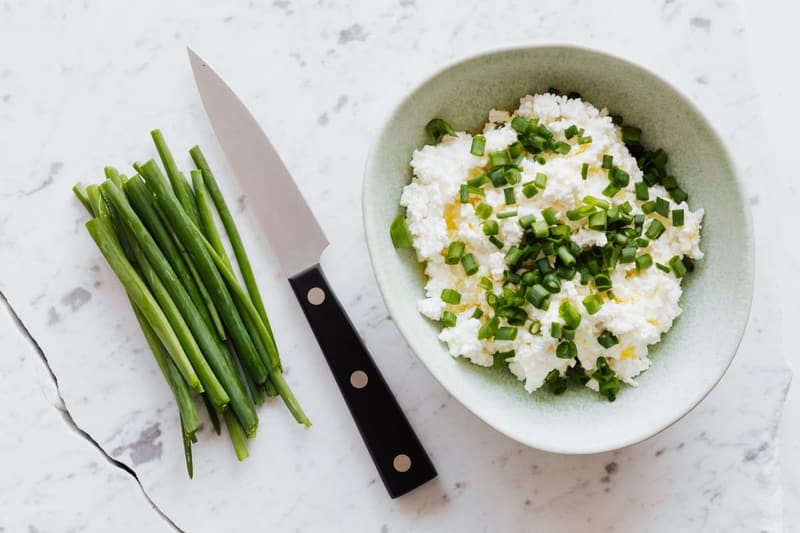
Substitute for Cottage Cheese
No cottage cheese? Whole-milk ricotta plus a scant ¼ tsp salt per 8 oz works in lasagna and pancakes; Greek yogurt suits dips, and crumbled tofu vegan fillings.
Read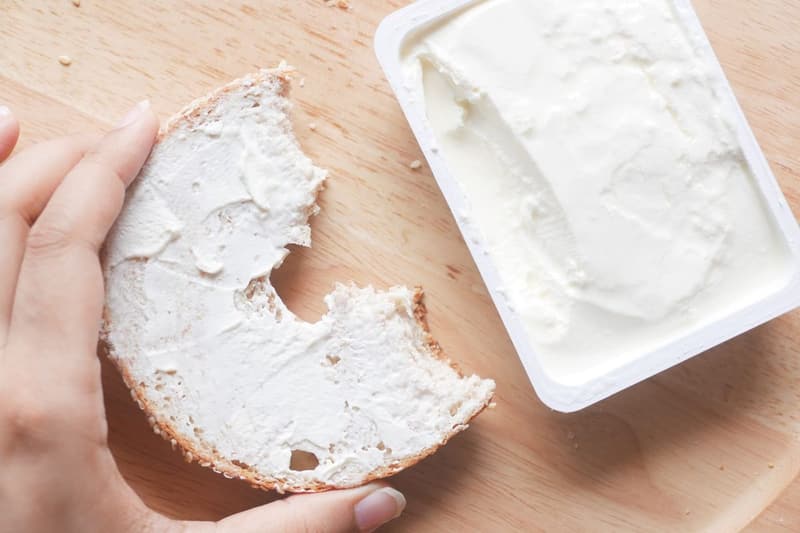
Substitute for Cream Cheese
No cream cheese? Neufchâtel swaps 1:1 by weight in cheesecake and frosting; drained ricotta blended with butter, mascarpone or cashew cream cover the rest.
Read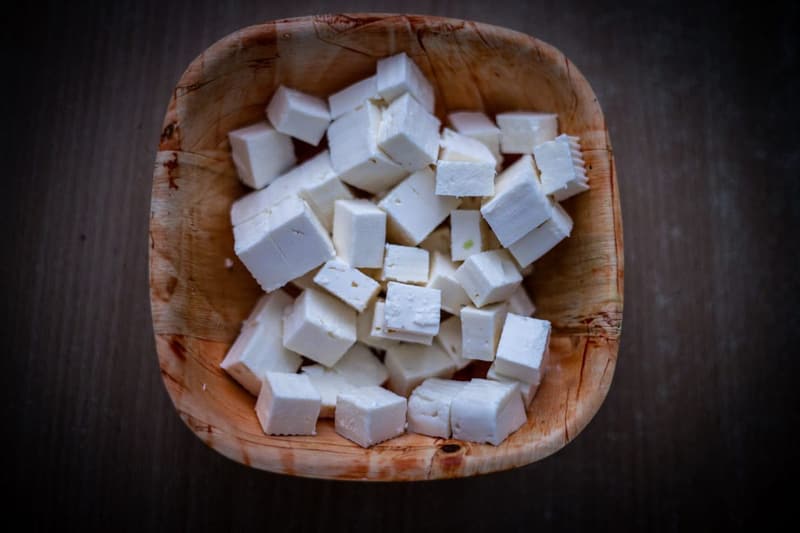
Substitute for Feta Cheese
No feta? Ricotta salata crumbles and salts the same way, 1:1 by weight. Goat cheese suits salads and tarts, cotija tacos and grains, brined tofu vegan dishes.
Read