
Baking
Substitute for Powdered Sugar
Blend ½ cup plus 1 tbsp granulated sugar with 1 tsp cornstarch for each cup of powdered sugar; in whipped cream, plain granulated sugar dissolves just as well.
- vegetarian
- vegan
- gluten free
Quick answer
Out of powdered sugar? The most versatile swaps:
- 1
Blended granulated sugar + cornstarch
½ cup + 1 tbsp granulated sugar + 1 tsp cornstarch, blended, per 1 cup
- 2
Blended granulated sugar, no starch
½ cup + 1 tbsp granulated sugar, blended, per 1 cup
- 3
Granulated sugar, unground
½ cup + 1 tbsp granulated sugar per 1 cup
Powdered sugar is ordinary sucrose milled to a fine powder, with a small amount of starch to stop it caking. The fine particles dissolve almost instantly in a little butter or liquid, which is why it makes smooth frosting and glazes with no cooking. Any substitute has to reach that fineness, or be used where the sugar has time to dissolve.
Making it at home
Nebraska’s extension chart blends a cup of granulated sugar with a tablespoon of cornstarch in a food processor. That makes more than a cup: King Arthur weighs powdered sugar at 113 g per cup and granulated at 198 g, and New Mexico State counts 1¾ cups of powdered per cup of granulated. Blend the batch, let the dust settle for a minute before opening the lid, then measure what the recipe needs. A spice grinder or high-speed blender gives the finest result.
Frostings and glazes
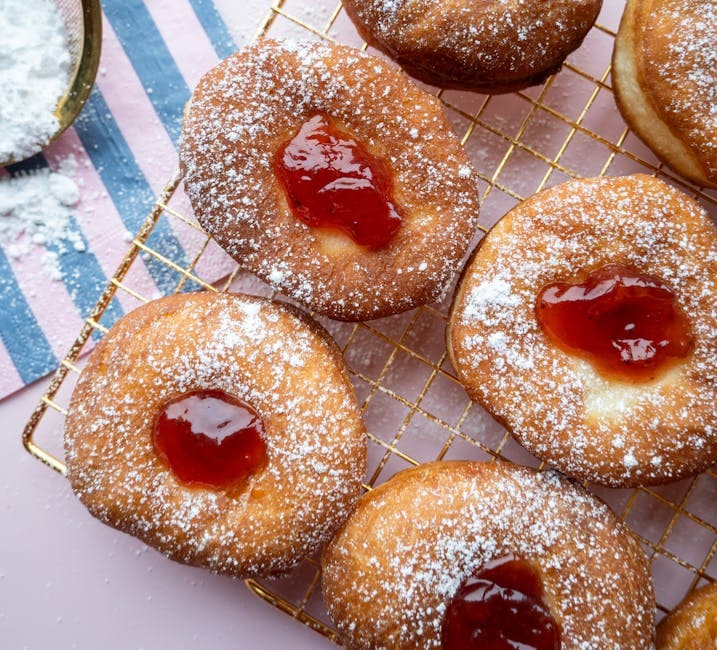
For American buttercream, cream cheese frosting and anything left uncooked with little liquid, only blended sugar will do. Sift it after grinding. A simple glaze is more forgiving: the milk or lemon juice dissolves slightly coarse sugar if the glaze rests 10 minutes before use.
Whipped cream, batters and sauces
Here the powder offers no advantage. Granulated or superfine sugar dissolves in cream as it whips and in any batter or sauce. Use about half the volume, since a cup of powdered contains far less sugar than a cup of granulated.
When not to substitute
- Dusting a dessert just before serving. Unground or coarsely ground sugar sparkles instead of coating and won’t stay on a warm cake.
- Meltaway cookies and Mexican wedding cakes. Their crumbly texture comes from the fine sugar and its starch; granulated sugar makes them crisper and spread more.
- Low-sugar or keto recipes. Ground sweeteners such as erythritol have their own conversion; follow the manufacturer’s rather than measuring them like sugar.
Common mistakes
- Swapping granulated for powdered cup for cup. That nearly doubles the sugar and floods a cookie dough.
- Opening the blender at once. The cloud of fine sugar settles everywhere; wait a minute.
- Storing homemade powder without starch. It turns into a hard cake overnight in a humid kitchen.
- Over-blending in a warm machine. Friction heat can melt the sugar into sticky clumps; work in short bursts.
All 4 substitutes at a glance
| Substitute | Ratio | Best for | Notes |
|---|---|---|---|
| Blended granulated sugar + cornstarch BakingRaw & finishing | ½ cup + 1 tbsp granulated sugar + 1 tsp cornstarch, blended, per 1 cup | buttercream, glazes, dusting, shortbread | Matches store-bought by weight: a cup of powdered sugar is 113 g, which is just over half a cup of granulated. Grinding fluffs it back up to about a cup. The starch keeps it from caking and helps a dusting stay put on a warm surface. |
| Blended granulated sugar, no starch BakingRaw & finishing | ½ cup + 1 tbsp granulated sugar, blended, per 1 cup | glazes, royal icing, drinks, meringue | Fine for anything made and used the same day. Without starch it clumps within hours as it absorbs humidity. Glazes come out slightly thinner and glossier, which some cooks prefer. |
| Granulated sugar, unground BakingRaw & finishing | ½ cup + 1 tbsp granulated sugar per 1 cup | whipped cream, custards, cake batters, hot sauces | Works wherever the sugar has liquid and time to dissolve. In whipped cream, add it at the start of whipping. Shortbread made this way bakes crisper and sandier than with powdered sugar, because there is no starch. |
| Blended coconut sugar + tapioca starch BakingRaw & finishing | ¾ cup coconut sugar + 1 tsp tapioca starch, blended, per 1 cup | chocolate frosting, spice cake glaze, cocoa dusting | Coconut sugar is lighter per cup than white, hence the extra volume to reach the same 113 g. The result is tan and tastes of butterscotch, so keep it to dark or brown frostings. |
Substitute calculator
How much powdered sugar does your recipe call for?
- Blended granulated sugar + cornstarch½ cup granulated sugar + 1 tsp cornstarch
- Blended granulated sugar, no starch½ cup granulated sugar
- Granulated sugar, unground½ cup granulated or superfine sugar
- Blended coconut sugar + tapioca starch¾ cup coconut sugar + 1 tsp tapioca starch
Amounts are rounded to practical kitchen measures. Swaps without a fixed ratio, or that can't be measured in the unit you picked, show their ratio instead.
Topics: sugarpowdered sugarconfectionersfrostingsdesserts All baking guides
Frequently asked questions
How much cornstarch is in powdered sugar?
Minnesota's food rule caps added starch at 3% of powdered sugar and requires the label to name the starch. For 113 g of homemade sugar that is about 3 g, roughly a teaspoon of cornstarch. Some brands use tapioca or potato starch instead.
Why does homemade powdered sugar make gritty frosting?
The blender didn't run long enough. Grind in small batches for a full minute, rest the motor, then sift; return any coarse bits to the blender. A spice grinder gets finer results than a large blender jar.
Can granulated sugar replace powdered sugar in buttercream?
Not well. American buttercream contains almost no liquid, so whole crystals never dissolve and the frosting stays gritty. Swiss or Italian meringue buttercream solves this, since the sugar dissolves in the egg whites over heat.
Is powdered sugar the same as icing or confectioners' sugar?
Yes. British shops sell it as icing sugar; American recipes call it confectioners' or powdered sugar, and the products swap freely. Packages sometimes add a fineness mark such as 10X; more Xs means a finer grind.
Sources
- Minn. R. 1550.0580: Powdered sugar, Minnesota Revisor of Statutes
- Basic ingredient substitutions, University of Nebraska–Lincoln Extension
- Ingredient weight chart, King Arthur Baking
- In a pinch: ingredient substitution, New Mexico State University Extension
More baking substitutes
Substitute for Sugar
Replace 1 cup white sugar with 1 cup packed brown sugar, ¾ cup honey (less liquid, plus ½ tsp baking soda) or 1 cup maple syrup. What each swap changes.
Read
Substitute for Brown Sugar
Make brown sugar from 1 cup white sugar plus 2 tsp molasses (light) or 1 tbsp (dark), or swap in plain white sugar cup for cup and accept crisper cookies.
Read
Substitute for Elderflower
No elderflower cordial? Elderflower liqueur swaps 1:1 in cocktails, lychee syrup with lemon in soft drinks, and a lemon syrup with orange blossom in cake drizzles.
ReadSubstitute for Gelatin
Replace one envelope of gelatin with 2 tsp agar powder or 2 tbsp agar flakes, boiled to dissolve. Agar sets firmer and at room temperature; sheets swap 3 to 1.
Read