
Dairy
Substitute for Parmesan Cheese
No Parmesan? Grana Padano grates and melts the same, 1:1 by weight. Use Pecorino Romano at four fifths the weight, or nutritional yeast plus salt for vegan dishes.
- vegetarian
- vegan options
Quick answer
Out of parmesan cheese? The most versatile swaps:
- 1
Grana Padano
1:1 by weight
- 2
Pecorino Romano
About four fifths the weight
- 3
Aged Asiago
1:1 by weight
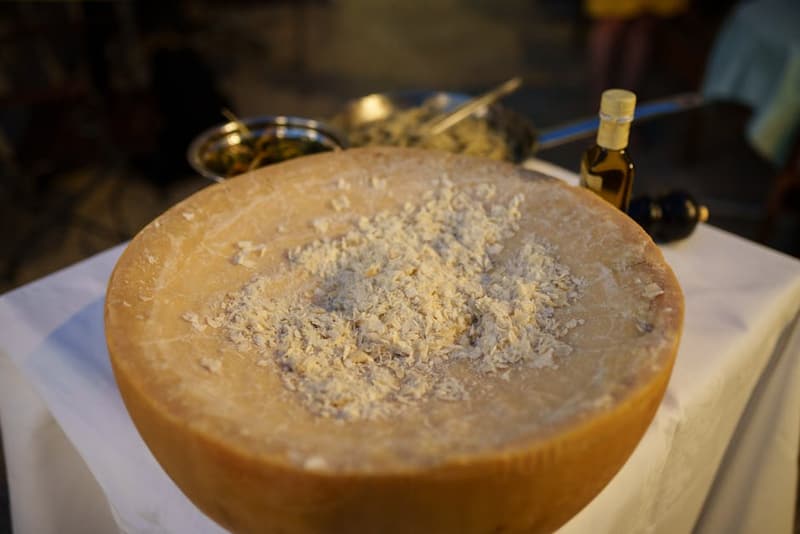
Parmesan is a hard, long-aged, low-moisture cheese. Ageing breaks its proteins down into savory compounds and small crunchy crystals, and the low moisture lets it grate into fine flakes that melt into hot pasta without stringing. It also carries a lot of salt: USDA lists hard Parmesan at 1,175 mg sodium per 100 g. In most recipes it is a seasoning as much as a cheese, so the main thing a swap must match is salt and savory depth.
Pasta, risotto and sauces
Grana Padano is the straight swap for any pasta or risotto and is often cheaper. Pecorino Romano works in tomato sauces and Roman dishes, but it is saltier: USDA’s romano figure is 1,433 mg sodium per 100 g, about a fifth more than Parmesan, so use roughly four fifths the weight. Add either cheese off the heat with a little starchy pasta water so it emulsifies instead of clumping.
Grating, shaving and baking
Weigh grated cheese when you can. USDA counts a tablespoon of dry grated Parmesan at 5 g, but freshly microplaned cheese is far fluffier, so the same spoon or cup holds noticeably less cheese. For shaved salads and crisps, aged Asiago gives broad, nutty shavings. In gratins and baked pasta, Asiago and younger hard cheeses brown faster; tent the dish with foil for the first part of baking.
Vegetarian and vegan
Traditional Parmigiano-Reggiano is made with calf rennet, so vegetarian cooks need a hard cheese made with microbial rennet, labelled as vegetarian. For vegan food, nutritional yeast gives the savory note. By USDA’s figures, an ounce of dry grated Parmesan (about ⅓ cup) carries roughly 510 mg sodium, close to the 580 mg in ¼ teaspoon of table salt, which is why salt goes in with the yeast.
When not to substitute
Dishes where Parmigiano-Reggiano is eaten on its own, in chunks with balsamic vinegar or pears, depend on its crystals and long-aged flavor. Parmesan rind simmered in minestrone or broth also has no real stand-in; a rind from Grana Padano works, but nutritional yeast does not.
Common mistakes
- Swapping Pecorino at full weight in a salted sauce. The dish turns harsh and salty.
- Using soft, young cheeses for grating. Mild cheddar or young Asiago smear on the grater and melt into strings.
- Adding cheese to a boiling sauce. The proteins tighten into rubbery lumps.
- Using nutritional yeast without salt. The pasta tastes savory but underseasoned.
All 5 substitutes at a glance
| Substitute | Ratio | Best for | Notes |
|---|---|---|---|
| Grana Padano CookingRaw & finishingBaking | 1:1 by weight | pasta, risotto, pesto, gratins | Another protected Italian grana cheese made in a similar way, so it grates, melts into sauces and seasons the same. It tastes milder and less nutty, with fewer crunchy crystals; add a little extra at the table if the dish seems flat. |
| Pecorino Romano CookingRaw & finishing | About four fifths the weight | cacio e pepe, carbonara, amatriciana, roasted vegetables | Sheep's milk cheese that is saltier and sharper, with a tangy, slightly gamy edge. Use less and hold back salt in the pasta water or sauce until you taste. It suits Roman pasta dishes, where it is the original cheese. |
| Aged Asiago CookingRaw & finishingBaking | 1:1 by weight | shaved over salads, baked pasta, cheese crisps, soups | Firm and nutty, and grates well once aged. It is a little higher in moisture and milder, so it melts more readily and browns faster in a gratin. Young, soft Asiago is a sliced cheese and will not grate. |
| Vegetarian Italian-style hard cheese CookingRaw & finishingBaking | 1:1 by weight | vegetarian pasta, pesto, risotto, gratins | Parmesan-style cheeses made with microbial or other non-animal rennet. They grate and melt the same way; flavor depends on age, so pick the hardest, most aged block available. |
| Nutritional yeast + salt (vegan) Raw & finishingCooking | 3 tbsp nutritional yeast + ¼ tsp salt for 1 oz grated Parmesan | vegan pasta, popcorn, vegan pesto, roasted vegetables | Supplies the savory, faintly cheesy note but almost none of the salt, which the added salt replaces. It does not melt or bind, so a sauce stays thinner. For a crumbly topping, pulse it with an equal volume of toasted cashews or almonds. |
Substitute calculator
How much parmesan cheese does your recipe call for?
- Grana Padano1 oz Grana Padano
- Pecorino Romano¾ oz Pecorino Romano
- Aged Asiago1 oz aged Asiago (Asiago d'allevo)
- Vegetarian Italian-style hard cheese1 oz vegetarian hard cheese (microbial rennet)
- Nutritional yeast + salt (vegan)3 tbsp nutritional yeast + ¼ tsp salt
Amounts are rounded to practical kitchen measures. Swaps without a fixed ratio, or that can't be measured in the unit you picked, show their ratio instead.
Frequently asked questions
Is Parmesan the same as Parmigiano-Reggiano?
In the EU, Parmigiano-Reggiano is a protected name for cheese from a defined area of northern Italy, made from milk, salt and rennet and aged at least 12 months. In the US, "parmesan" is a generic standard: at most 32 percent moisture and cured at least 10 months, made anywhere.
Is Parmesan vegetarian?
Parmigiano-Reggiano is not. The Vegetarian Society notes that its production rules include calf rennet. Hard cheeses labelled with microbial or vegetarian rennet are the alternative; check the ingredient list for "animal rennet" or "enzymes" on generic parmesan.
Can people who avoid lactose eat Parmesan?
The Parmigiano-Reggiano consortium states the cheese is naturally lactose-free at any age, because lactic bacteria convert the lactose within the first days of production. People with a milk protein allergy still cannot eat it.
Why does pre-grated Parmesan clump in sauce?
Shelf-stable grated cheese is very dry and usually contains an anti-caking agent, so it dissolves poorly and can turn gritty. Grate a block finely just before use, add it off the heat, and loosen with a splash of pasta water.
Sources
- 21 CFR 133.165: Parmesan and reggiano cheese, Legal Information Institute, Cornell Law School
- FAQ, Consorzio del Formaggio Parmigiano Reggiano
- Which cheeses are suitable for vegetarians, and which aren't?, Vegetarian Society
- Cheese, parmesan, hard (FDC ID 170848), USDA FoodData Central
- Cheese, romano (FDC ID 171249), USDA FoodData Central
- Cheese, parmesan, grated (FDC ID 171247), USDA FoodData Central
More dairy substitutes
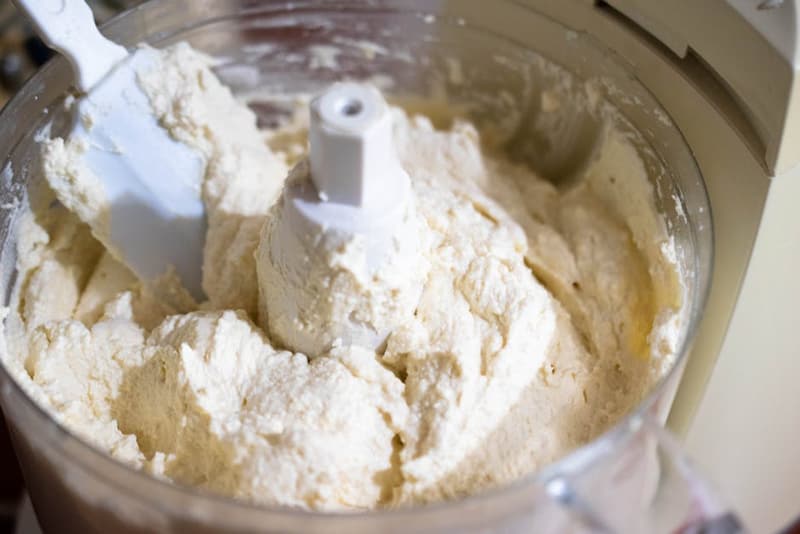
Substitute for Ricotta Cheese
Out of ricotta? Drained, blended cottage cheese works 1:1 by weight in lasagna (cut the salt); mascarpone with Greek yogurt suits cannoli, tofu vegan fillings.
Read
Substitute for Mascarpone
No mascarpone? Beat 6 oz cream cheese with ¼ cup heavy cream for each 8 oz in tiramisu and frosting; crème fraîche works in risotto and pasta sauces.
Read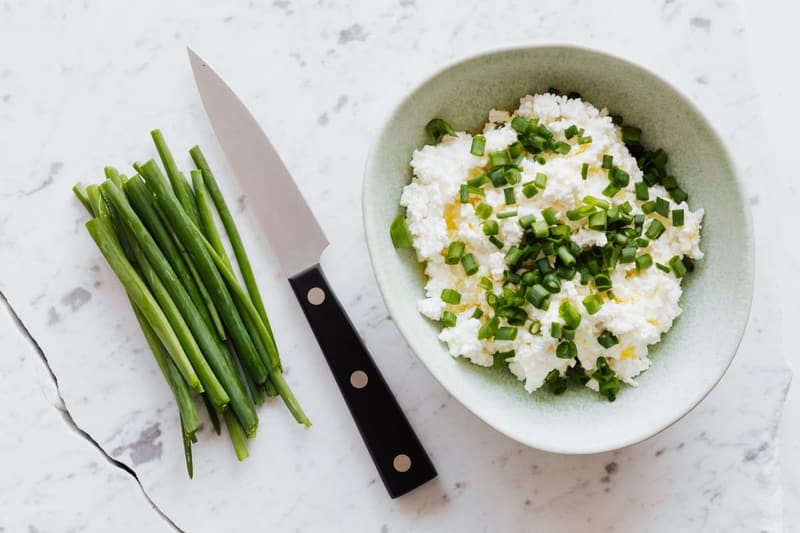
Substitute for Cottage Cheese
No cottage cheese? Whole-milk ricotta plus a scant ¼ tsp salt per 8 oz works in lasagna and pancakes; Greek yogurt suits dips, and crumbled tofu vegan fillings.
Read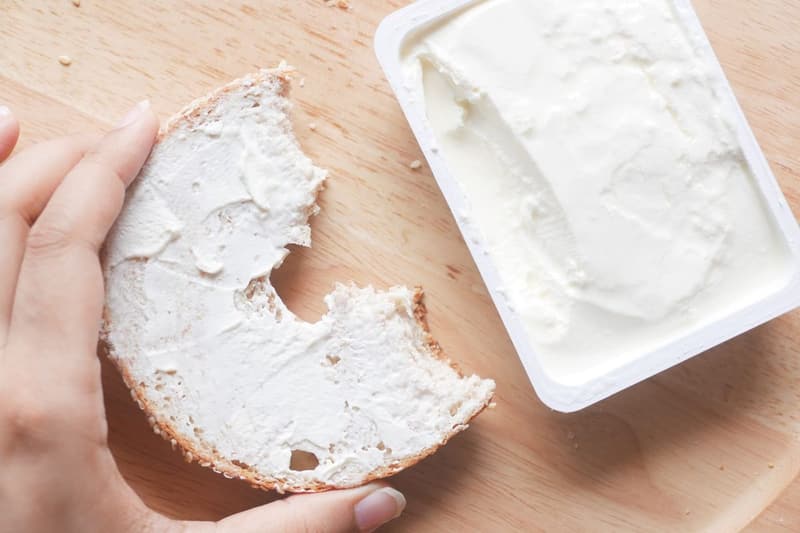
Substitute for Cream Cheese
No cream cheese? Neufchâtel swaps 1:1 by weight in cheesecake and frosting; drained ricotta blended with butter, mascarpone or cashew cream cover the rest.
Read