
Cooking
Substitute for Oyster Sauce
Swap oyster sauce 1:1 with vegetarian mushroom stir-fry sauce, or mix 1½ tsp soy sauce, ½ tsp sugar and 1½ tsp water per tablespoon so it isn't too salty.
- vegetarian
- vegan
- gluten free
Quick answer
Out of oyster sauce? The most versatile swaps:
- 1
Vegetarian mushroom stir-fry sauce
1:1
- 2
Soy sauce + sugar + water
1½ tsp soy sauce + ½ tsp sugar + 1½ tsp water (+ a pinch of cornstarch) for 1 tbsp
- 3
Hoisin + soy sauce
2 tsp hoisin + 1 tsp soy sauce for 1 tbsp
Oyster sauce does three jobs in a wok: it seasons, it sweetens slightly, and its starch-thickened body coats meat and greens in a glossy film. Lee Kum Kee’s premium version lists oyster extract, sugar, salt, MSG, modified corn starch, wheat flour and caramel color. Its salt is moderate: about 490 mg of sodium per tablespoon in USDA data, a little over half what soy sauce carries. That is where most swaps go wrong.
Stir-fries and sauces
Vegetarian mushroom stir-fry sauce is the closest one-to-one replacement, because it is made to mimic both the flavor and the thick texture. When only pantry staples are on hand, use soy sauce cut with water and sweetened with sugar. The dilution matters: a tablespoon of soy sauce in place of a tablespoon of oyster sauce nearly doubles the sodium, and a dish that calls for 3 tablespoons ends up harsh. Stir a pinch of cornstarch into the mix so it clings once it boils.
Hoisin with soy sauce suits beef and broccoli or glazed pork, where a sweeter, spiced edge is welcome. In Thai dishes such as pad see ew, fish sauce diluted with water keeps the seafood savoriness that oyster sauce brings; one teaspoon of fish sauce carries about the same sodium as a tablespoon of oyster sauce.
Cold dressings and dips
Uncooked, cornstarch stays chalky and never thickens, so skip it. The mushroom stir-fry sauce or hoisin with soy sauce work straight from the bottle in a dipping sauce or a dressing for blanched greens.
When not to substitute
In Cantonese gai lan with oyster sauce, or anywhere the sauce is drizzled over plain vegetables as the main seasoning, a soy mix reads as thin and salty. The mushroom sauce is the only swap that holds up there.
For allergies, every swap except fish sauce contains soy, and both soy sauce and hoisin usually contain wheat. Fish sauce is no good for a fish allergy.
Common mistakes
- Swapping soy sauce one-for-one. The dish turns too salty and too thin, with no gloss.
- Adding cornstarch to a cold sauce and serving it. It only thickens after boiling.
- Using hoisin alone. It makes a stir-fry taste sweet and spiced, like a glaze.
- Forgetting color. The fish sauce mix leaves food pale; a few drops of dark soy sauce fix it.
All 4 substitutes at a glance
| Substitute | Ratio | Best for | Notes |
|---|---|---|---|
| Vegetarian mushroom stir-fry sauce CookingRaw & finishing | 1:1 | stir-fries, Chinese greens, vegetarian cooking, noodles | Sold as vegetarian oyster sauce: soy sauce, sugar, starch and shiitake extract. Same thickness and gloss. It tastes earthier and contains soy, so it is no help for a soy allergy. |
| Soy sauce + sugar + water Cooking | 1½ tsp soy sauce + ½ tsp sugar + 1½ tsp water (+ a pinch of cornstarch) for 1 tbsp | stir-fries, marinades, fried rice, braises | Half a tablespoon of soy sauce matches oyster sauce's sodium; a full one nearly doubles it. The cornstarch only thickens once the sauce simmers, so add it in a hot pan. |
| Hoisin + soy sauce CookingRaw & finishing | 2 tsp hoisin + 1 tsp soy sauce for 1 tbsp | glazes, beef and broccoli, dipping sauces | Already thick and dark. Hoisin is much sweeter and less salty than oyster sauce, so the soy sauce restores the balance. Five-spice and garlic notes come through. |
| Fish sauce + sugar + water Cooking | 1 tsp fish sauce + ½ tsp sugar + 2 tsp water for 1 tbsp | Thai stir-fries, pad see ew, soups | Keeps the seafood savoriness but is thin and pale. Thicken with a pinch of cornstarch and add a drop of dark soy sauce for color. Not vegetarian. |
Substitute calculator
How much oyster sauce does your recipe call for?
- Vegetarian mushroom stir-fry sauce1 tbsp vegetarian mushroom stir-fry sauce
- Soy sauce + sugar + water1½ tsp soy sauce + ½ tsp sugar + 1½ tsp water
- Hoisin + soy sauce2 tsp hoisin sauce + 1 tsp soy sauce
- Fish sauce + sugar + water1 tsp fish sauce + ½ tsp sugar + 2 tsp water
Amounts are rounded to practical kitchen measures. Swaps without a fixed ratio, or that can't be measured in the unit you picked, show their ratio instead.
Topics: oyster sauceasianumamistir frysavory All cooking guides
Frequently asked questions
Is oyster sauce saltier than soy sauce?
No. USDA figures give about 490 mg sodium per tablespoon of oyster sauce against about 880 mg for soy sauce. Oyster sauce is thicker and sweeter, which is why soy sauce has to be diluted and sweetened to stand in for it.
Is oyster sauce gluten-free?
Often not. Lee Kum Kee's premium oyster sauce lists wheat flour, and many brands thicken with wheat starch or use wheat-based soy sauce. Look for a bottle labelled gluten-free, or use the soy sauce mix made with tamari.
Does oyster sauce count as shellfish for allergy labelling?
Oysters are mollusks. The FDA's list of major allergens names crustacean shellfish such as shrimp and crab, so mollusks are not covered by the US allergen labeling rule. Oyster still appears in the ingredient list, so anyone allergic to mollusks should read it.
Can I use oyster sauce in place of hoisin?
In a stir-fry, yes, with about a teaspoon of sugar or honey added per tablespoon. Oyster sauce is saltier and far less sweet. For Peking duck or moo shu, where hoisin is spread on pancakes, the swap tastes wrong.
Sources
- Sauce, oyster, ready-to-serve (FDC ID 174529), USDA FoodData Central
- Soy sauce made from soy and wheat (shoyu) (FDC ID 174277), USDA FoodData Central
- Sauce, hoisin, ready-to-serve (FDC ID 172886), USDA FoodData Central
- Sauce, fish, ready-to-serve (FDC ID 174531), USDA FoodData Central
- Premium Oyster Sauce, Lee Kum Kee
- Food allergies, U.S. Food and Drug Administration
More cooking substitutes
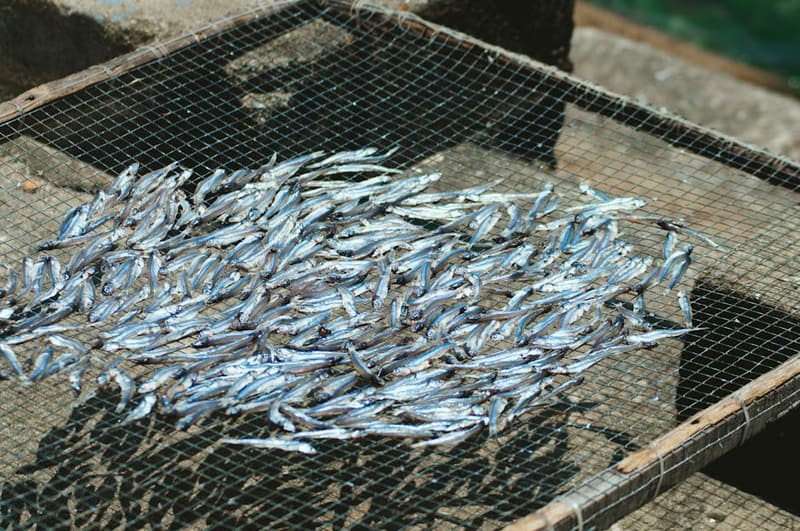
Substitute for Anchovy Paste
Mash about 1½ anchovy fillets for each teaspoon of anchovy paste, or use ½ tsp fish sauce. For vegan Caesar, white miso with mashed capers fills the gap.
Read
Substitute for Fish Sauce
No fish sauce? Use 1 tbsp soy sauce plus ¼ tsp salt per tablespoon, mashed anchovies for real fish depth, or coconut aminos with salt if avoiding soy.
ReadSubstitute for Hoisin Sauce
For 1 tbsp hoisin, mix 1 tsp each soy sauce, tahini and molasses with a pinch of five-spice, or use plum sauce or barbecue sauce sharpened with soy sauce.
ReadSubstitute for Nori
No nori? Roll sushi in soy paper or a thin egg crepe, sheet for sheet, and swap crumbled nori for the same amount of aonori flakes or furikake on rice and noodles.
Read