Substitute for Bread Flour
Reliable bread flour alternatives for homemade bread, pizza dough, and chewy baked goods. Easy pantry solutions.

Quick Answer
The best substitutes for bread flour are: All-Purpose Flour, All-Purpose Flour + Vital Wheat Gluten, Whole Wheat Flour. Each works differently depending on your recipe needs.
Bread flour is a high-protein flour (12-14% protein) specifically designed to create the strong gluten network that gives bread its characteristic chewy texture and good rise. When you cannot find bread flour or want to explore alternatives, these substitutes will help you bake excellent homemade bread with what you have available.
Understanding Gluten and Bread Structure
Gluten is the protein network that forms when flour is mixed with water and kneaded. Bread flour’s high protein content creates a strong, elastic dough that traps gas from yeast fermentation, producing tall loaves with chewy crumb. Lower protein flours produce softer, more tender bread with less chew.
When to Use Each Substitute
For everyday bread baking, plain all-purpose flour is perfectly adequate and the easiest swap. If you want to closely replicate bread flour’s performance, adding vital wheat gluten to all-purpose flour is the best approach. Whole wheat flour works well for heartier loaves, especially when blended with all-purpose flour. Spelt flour is excellent for artisan-style breads with more complex flavor. Semolina flour is best used as a partial replacement for Italian breads and pizza where its golden color and satisfying chew are welcome.
Related Substitutes
- Substitute for All-Purpose Flour - General flour alternatives for any recipe
- Substitute for Self-Rising Flour - Pre-leavened flour alternatives
- Substitute for Xanthan Gum - Gluten-free binding alternatives
- Substitute for Baking Powder - Leavening agent alternatives
Educational Disclaimer: This information is for cooking and baking purposes only.
All Substitutes at a Glance
| Substitute | Ratio | Best For | Notes |
|---|---|---|---|
| All-Purpose Flour | 1:1 replacement | sandwich bread, dinner rolls, pizza dough | The simplest swap. Results will be slightly less chewy with a softer crumb. Works well for most bread recipes with no other adjustments needed. |
| All-Purpose Flour + Vital Wheat Gluten | 1 cup all-purpose flour + 1 tsp vital wheat gluten = 1 cup bread flour | artisan bread, bagels, chewy pizza crust | The closest match to true bread flour. The added gluten raises the protein content to match bread flour's 12-14% range. Best for recipes where chewiness matters. |
| Whole Wheat Flour | 1:1 replacement (add 1-2 tbsp extra liquid per cup) | hearty bread, wheat sandwich loaves, rustic rolls | Higher protein than all-purpose but absorbs more liquid. Creates denser, nuttier bread. Mix 50/50 with all-purpose for lighter results. |
| Spelt Flour | 1:1 replacement (reduce kneading time) | artisan loaves, flatbreads, rustic bread | Ancient grain with good protein content but weaker gluten structure. Handle dough gently and reduce kneading time. Slightly nutty, sweet flavor. |
| Semolina Flour | Replace up to 50% of bread flour with semolina | Italian bread, pizza dough, pasta, focaccia | High protein content creates excellent chew and golden color. Best used blended with all-purpose flour rather than as a full replacement. Coarser texture adds rustic character. |
Frequently Asked Questions
Can I use all-purpose flour for bread without any additions?
Yes, all-purpose flour makes perfectly good bread. The loaf will be slightly softer and less chewy than bread made with bread flour, but the difference is subtle for most home baking.
Where can I find vital wheat gluten?
Vital wheat gluten is available in the baking aisle of most grocery stores or online. Bob's Red Mill is a widely available brand. A small bag lasts a long time since you only need a teaspoon per cup of flour.
What is the best substitute for bread flour in a bread machine?
All-purpose flour with 1 teaspoon of vital wheat gluten per cup is the best option for bread machines, which rely on higher gluten for proper rise. Plain all-purpose flour also works but may produce a shorter loaf.
Related Topics
Related Guides
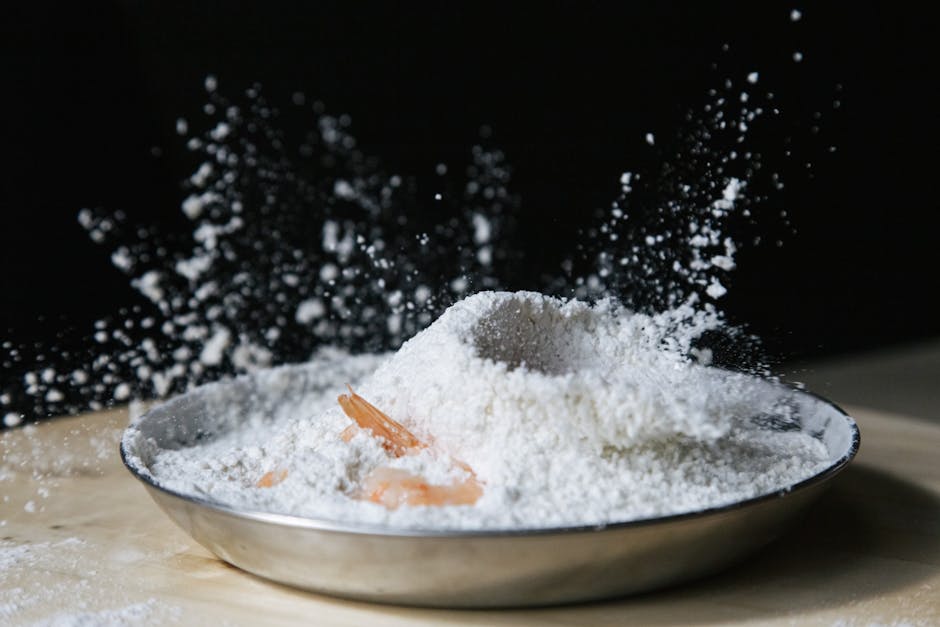
Substitute for All-Purpose Flour
Perfect all-purpose flour alternatives for baking and cooking. Gluten-free and specialty flour options.
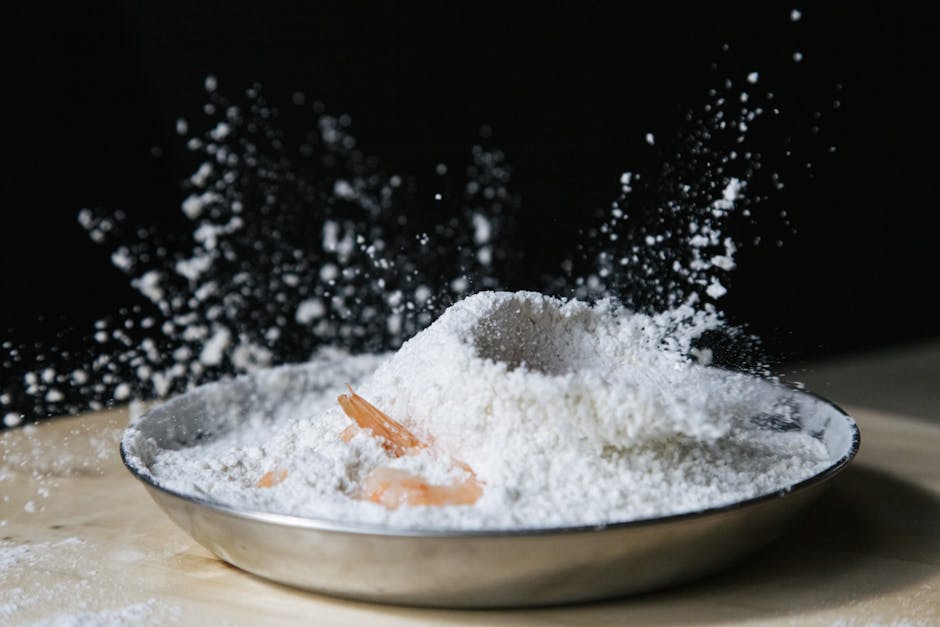
Substitute for Baking Powder
Emergency baking powder substitutes using common pantry ingredients. Never let a missing ingredient ruin your bake.
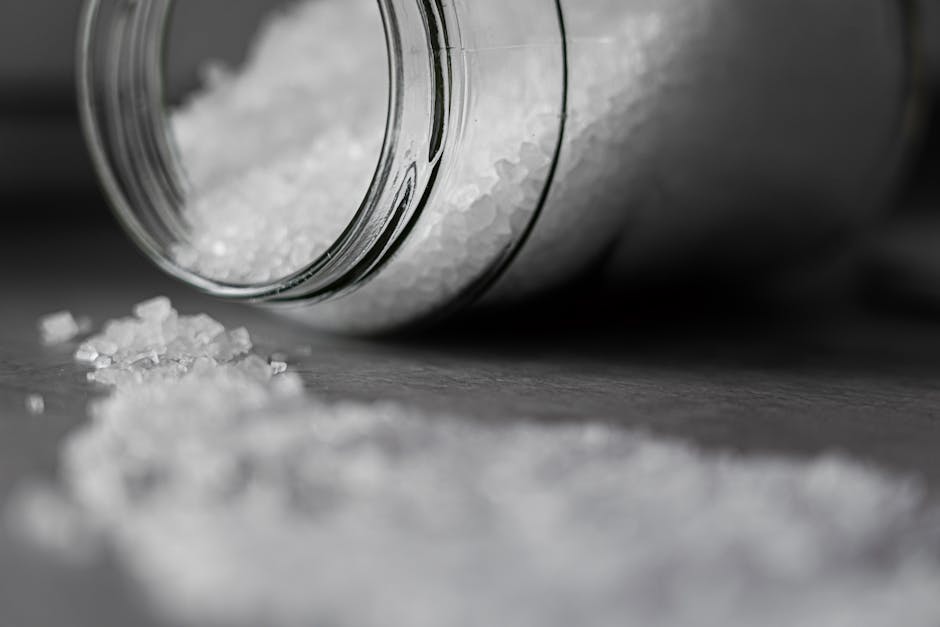
Substitute for Baking Soda
Emergency baking soda substitutes when you're in a pinch. Keep your baked goods rising perfectly.