How to Substitute Sugar Without Sacrificing Flavor
From honey to monk fruit, discover how to reduce refined sugar in your cooking while keeping every dish delicious.
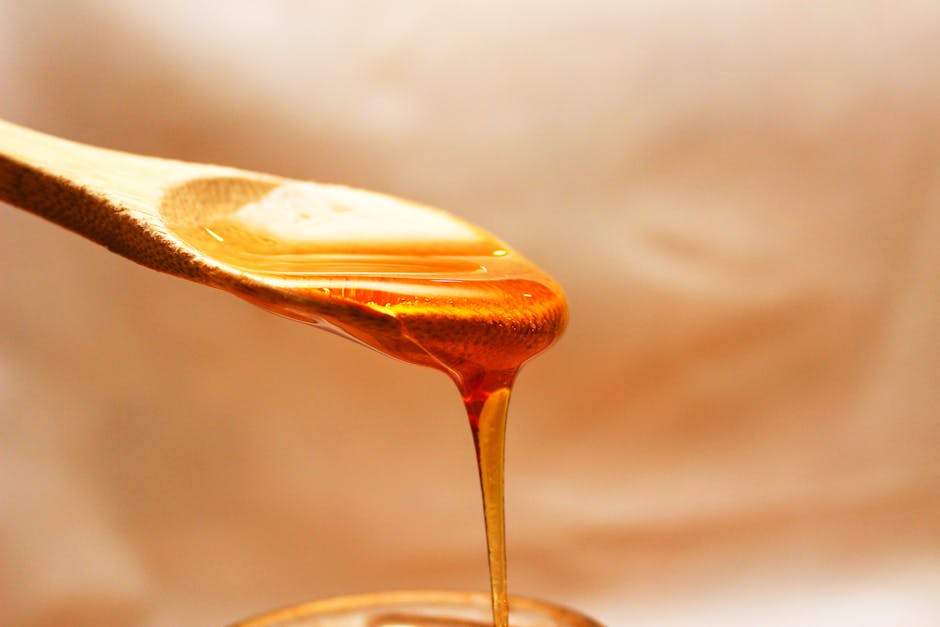
Reducing refined sugar is one of the most common dietary goals, whether for health reasons, blood sugar management, or simply wanting to eat more mindfully. The good news is that there are plenty of alternatives that bring sweetness to your dishes without relying on white granulated sugar. The key is knowing which substitute works best for each situation.
Why People Reduce Sugar
Excess refined sugar has been linked to a range of health concerns including weight gain, type 2 diabetes, heart disease, and inflammation. Many people also find that reducing sugar helps stabilize their energy levels throughout the day, reduces cravings, and improves overall well-being. Whatever your motivation, understanding your options makes the transition much easier.
Natural Sweetener Alternatives
Honey
Honey is one of the oldest and most popular sugar replacements. It is sweeter than sugar, so you need less of it. Use 3/4 cup of honey for every 1 cup of sugar, and reduce other liquids in the recipe by about 2 tablespoons. Honey also causes baked goods to brown faster, so consider lowering your oven temperature by 25 degrees Fahrenheit. It works beautifully in dressings, marinades, teas, and baked goods like banana bread and oatmeal cookies.
Maple Syrup
Pure maple syrup (not pancake syrup) brings a rich, complex sweetness with caramel and vanilla undertones. Use 3/4 cup of maple syrup for every 1 cup of sugar, and reduce liquids by about 3 tablespoons. It pairs well with oatmeal, roasted vegetables, salad dressings, and baked goods. Maple syrup also contains trace minerals like manganese and zinc.
Dates and Date Paste
Dates are whole fruits packed with fiber, potassium, and natural sweetness. Blend pitted dates with a little warm water to create a date paste that works in smoothies, energy balls, sauces, and baking. Use roughly 2/3 cup of date paste for every 1 cup of sugar. The fiber in dates slows sugar absorption, making it a gentler option for blood sugar levels.
Coconut Sugar
Coconut sugar looks and tastes similar to brown sugar, with a mild caramel flavor. It can replace white or brown sugar at a 1:1 ratio, making it one of the easiest swaps. While it contains the same number of calories as regular sugar, it does retain some nutrients from the coconut palm sap and has a lower glycemic index.
Molasses
Molasses brings bold, deep flavor along with significant amounts of iron, calcium, and potassium. It works best in recipes where its strong taste is welcome, such as gingerbread, baked beans, barbecue sauce, and dark breads. Use 1 1/3 cups of molasses for every 1 cup of sugar, and reduce liquids by 5 tablespoons.
Zero-Calorie and Low-Calorie Options
Stevia
Stevia is derived from the leaves of the stevia plant and is roughly 200 to 300 times sweeter than sugar. A tiny amount goes a long way. Most baking-ready stevia products come with conversion guides on the packaging, but a general rule is 1 teaspoon of stevia extract equals 1 cup of sugar. Stevia can have a slightly bitter aftertaste, especially in large amounts, so it works best when blended with another sweetener.
Monk Fruit Sweetener
Monk fruit sweetener has gained popularity for its clean, sugar-like taste without the aftertaste that some people notice with stevia. Most commercial monk fruit products are blended with erythritol and can be used at a 1:1 ratio with sugar. It works well in beverages, sauces, and many baked goods.
Erythritol
Erythritol is a sugar alcohol that contains almost zero calories and does not spike blood sugar. It measures at about 70 percent of sugar’s sweetness, so you may need slightly more. It dissolves well and works in a wide range of recipes, though it can produce a cooling sensation on the tongue in large quantities.
When Sugar Does More Than Sweeten
Before you swap, it is important to understand that sugar plays several roles beyond adding sweetness:
- Browning: Sugar caramelizes when heated, creating golden crusts on baked goods and roasted dishes. Honey and maple syrup brown well, while stevia and erythritol do not.
- Structure: In cakes and cookies, sugar interacts with fat and eggs to create structure and tenderness. Removing sugar entirely can produce flat or dense results.
- Moisture retention: Sugar is hygroscopic, meaning it attracts and holds water. This keeps baked goods moist over time. Honey and molasses share this property, but dry sweeteners like stevia do not.
- Fermentation: In bread baking, sugar feeds yeast. Zero-calorie sweeteners will not work as a yeast food.
Tips for Different Types of Recipes
Baking
Start by replacing only half the sugar with your chosen alternative, especially on your first attempt. This helps you gauge how the substitute affects texture and flavor. For liquid sweeteners, remember to reduce other liquids accordingly.
Beverages
Stevia, monk fruit, and honey dissolve easily in hot and cold drinks. Start with a small amount and adjust to taste. A squeeze of citrus can also enhance perceived sweetness without adding any sugar at all.
Savory Cooking
Many savory recipes call for a touch of sugar to balance acidity or add depth. Honey, maple syrup, and coconut sugar all work well in stir-fries, marinades, and tomato-based sauces. Use slightly less than the recipe calls for and taste as you go.
Desserts and Treats
For desserts where sugar is a primary ingredient (like caramel or meringue), swapping is more challenging. Monk fruit and erythritol blends are your best bet for these applications, as they behave most similarly to sugar in terms of volume and texture.
Making the switch away from refined sugar does not have to mean bland, unsatisfying food. With the right substitute and a little experimentation, you can create dishes that are just as flavorful — and often more interesting — than the originals.